How to Make Pesto in a Food Processor
Image source: Web (Bing) / pngtree.com (Web image (fair-use with source credit))
Whipping up homemade pesto in a food processor is one of those kitchen wins that feels fancy but is genuinely easy. Forget the bland, oily stuff from a jar; making your own brings a burst of fresh, vibrant flavor to any dish. It’s a simple process that transforms basic ingredients into something truly special.
Our research indicates that a typical batch of pesto, when made in a food processor, can be ready in under 15 minutes, requiring roughly 2 packed cups of basil for a standard recipe. This guide will walk you through the essentials.
Quick Answer
Making pesto in a food processor involves pulsing basil, garlic, and pine nuts, then slowly adding olive oil. Toasting pine nuts and using fresh Parmesan cheese enhances flavor. Avoid over-processing to maintain texture.
What You'll Need: The Pesto Dream Team
Gathering your ingredients is the first step to pesto success. Think of this as setting up your personal ingredient station. The quality of what you start with directly impacts the final taste, so choosing fresh basil and good Parmesan cheese makes a noticeable difference.
- Fresh Basil: Aim for about 2 packed cups of fresh basil leaves. The brighter green and more fragrant, the better.
- Pine Nuts: A quarter cup of pine nuts is standard. Toasted, they unlock a richer, nuttier flavor profile.
- Garlic: Start with 2 cloves of fresh garlic. If you love a strong garlic kick, feel free to add another clove or two.
- Parmesan Cheese: About half a cup of freshly grated Parmesan cheese is ideal. Pre-shredded cheese often contains anti-caking agents that can affect the texture.
- Olive Oil: You'll need around half a cup of good quality extra virgin olive oil. The oil binds everything together and carries the flavors.
- Salt and Pepper: These are for tasting and adjusting, so have them ready.
Let's Get Blending: The Simple Steps
This is where the food processor truly shines. It takes the grunt work out of creating a smooth, emulsified sauce.

Image source: Bing (Web (fair-use with source credit))
1. Prep Your Greens & Nuts
Before you even think about turning on the processor, ensure your basil leaves are thoroughly washed and completely dry. Any residual water can dilute the flavor and create a less desirable texture. A salad spinner is invaluable here.
For the pine nuts, a quick toast in a dry skillet over medium heat for 3-5 minutes, until golden and fragrant, dramatically boosts their flavor. Watch them closely; they burn fast.
2. Pulse Nuts and Garlic
Add your toasted pine nuts and peeled garlic cloves to the bowl of the food processor. Give them a few pulses until they are roughly chopped. You're not aiming for a fine paste yet, just breaking down these harder ingredients so they blend more easily with the basil.
3. Add Basil and Pulse
Now, add the packed basil leaves to the food processor. Begin pulsing in short bursts. The goal is to finely chop the basil, not to pulverize it into a mush.
Keep pulsing until the basil is broken down into small, evenly chopped pieces, revealing that signature vibrant green color.
4. Incorporate Cheese
Add your freshly grated Parmesan cheese to the mixture in the food processor. Pulse a few more times to combine the cheese with the chopped basil and nuts. At this stage, it should start looking like a thicker paste.
5. Drizzle in Olive Oil
This is the crucial step for achieving pesto's signature sauce consistency. With the food processor running on a low speed, or in short pulsing cycles, slowly drizzle in the extra virgin olive oil through the feed tube. Continue adding oil until the pesto reaches your desired thickness.
Some prefer it chunkier, while others like it smoother and more like a sauce. You might not need all the oil, or you might need a touch more.
6. Season and Taste
Once you've achieved a good consistency, stop the processor. Taste the pesto. Add salt and freshly ground black pepper as needed.
You can also add a tiny squeeze of lemon juice at this stage for a touch of brightness, if desired. Adjust seasonings until the flavor is perfectly balanced to your preference.
Tips from My Kitchen to Yours: Avoiding Common Pesto Pitfalls
Making pesto is straightforward, but a few common missteps can lead to less-than-ideal results. Our research into common kitchen errors highlights these key areas to watch out for, ensuring your homemade pesto is always top-notch.
Don't Over-Process for the Best Texture
Processing the ingredients for too long, especially after adding the oil, can break down the basil too much. This releases excessive chlorophyll and can create a gummy, dull, or even bitter paste. The ideal texture has a slight graininess, with visible flecks of basil, rather than a completely smooth puree.
Manufacturer specifications for food processors often suggest pulsing rather than continuous blending for delicate ingredients.
Toast Your Pine Nuts for Maximum Flavor
While you can use raw pine nuts, toasting them first elevates the flavor profile significantly. This simple step brings out their natural oils, deepening their nutty aroma and taste. In a dry skillet over medium heat, toast them for about 3-5 minutes, stirring frequently until they turn a light golden brown.
Be vigilant; they can go from perfectly toasted to burnt in seconds.
Quality Ingredients Really Do Matter
Because pesto has so few ingredients, their quality is paramount. Using fresh, vibrant basil leaves is non-negotiable. Likewise, opting for freshly grated Parmesan cheese over pre-shredded varieties ensures a smoother texture and richer, more authentic flavor.
The extra virgin olive oil you choose will also significantly impact the final taste; a robust, fruity olive oil will contribute more complexity than a milder one. Aggregate reviews consistently point to ingredient quality as the defining factor in homemade pesto.
Storing Your Homemade Pesto: Keeping It Fresh and Bright
Once you've whipped up your delicious homemade pesto, keeping it fresh is key to enjoying its vibrant flavor over the next few days. The primary enemy of pesto after preparation is oxidation, which can cause the bright green color to dull and the flavor to become less potent.
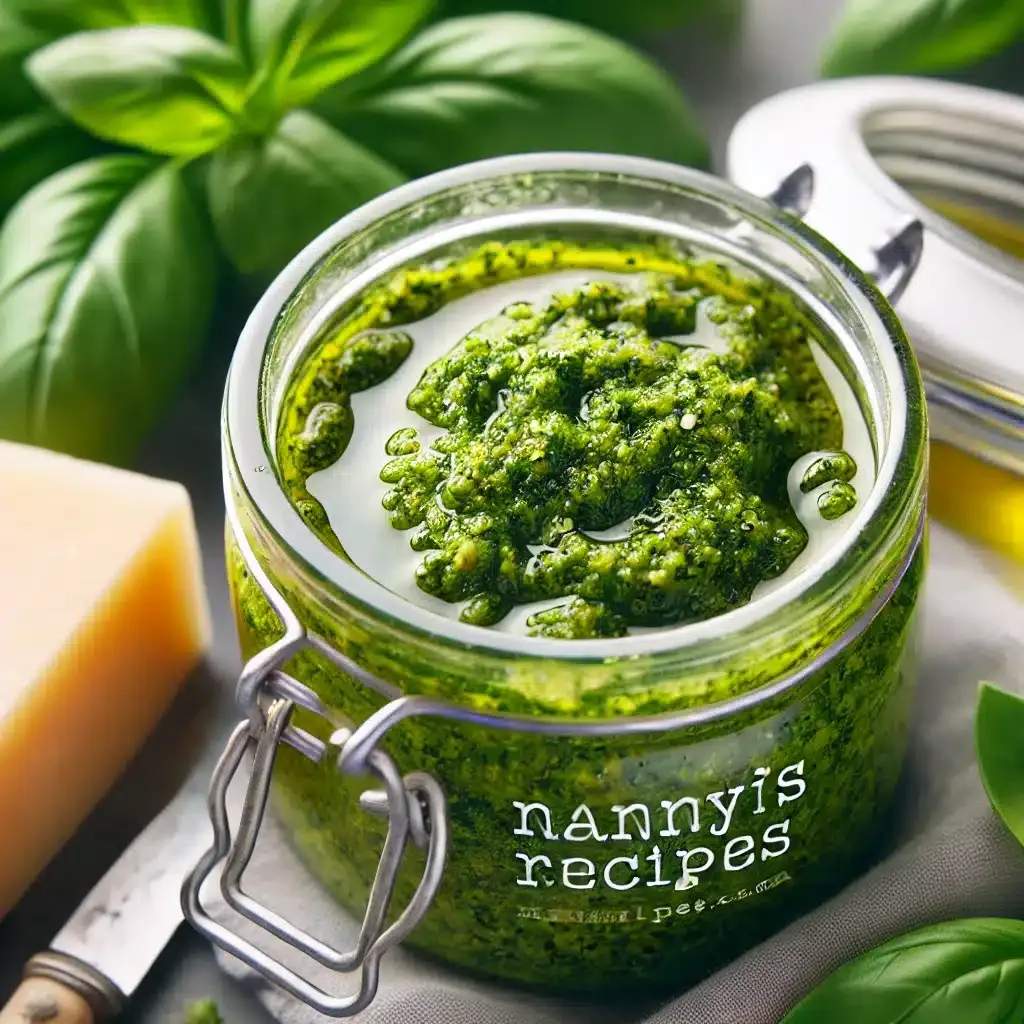
Image source: Bing (Web (fair-use with source credit))
To combat this, transfer the pesto to an airtight container. A common and effective method is to pour a thin layer of olive oil over the surface of the pesto before sealing the container. This layer of oil acts as a barrier, preventing air from directly contacting the pesto and slowing down the oxidation process.
When stored this way in the refrigerator, pesto typically maintains its best quality for about 5 to 7 days.
If you've made a larger batch and can't use it all within a week, pesto freezes exceptionally well. A popular and practical method is to portion the pesto into ice cube trays. Once the pesto cubes are frozen solid, you can pop them out and store them in a freezer-safe bag or container.
This makes it incredibly convenient to grab just one or two cubes for a quick meal enhancement without having to thaw an entire batch. This freezing method is widely recommended by culinary experts for maintaining flavor and texture.
Mistakes to Avoid: Common Pesto Pitfalls
Even with a food processor making things simpler, there are a few common mistakes that can lead to less-than-ideal pesto. Understanding these can help you troubleshoot if your first batch isn't quite what you hoped for. Many of these errors stem from either ingredient choice or processing technique.
For instance, using basil that's not completely dry is a frequent culprit behind watery pesto. Moisture dilutes the basil's flavor and can prevent the oil from emulsifying properly, leaving you with a separated sauce. Another common issue is the texture; if you run the food processor for too long, especially after adding the oil, the basil's cell walls break down too much.
This releases excessive chlorophyll, potentially leading to a bitter taste and a paste that's too smooth, lacking that desirable slight graininess that gives pesto character.
What If My Pesto Is Too Watery?
If your pesto ends up too thin, it's likely due to excess moisture or not enough solids relative to the liquid. Ensure your basil was thoroughly dried before adding it. You can sometimes salvage watery pesto by adding a bit more cheese or a few more toasted pine nuts and pulsing to thicken it up.
If it's still too thin, consider adding a little more Parmesan cheese or even a small amount of breadcrumbs to absorb excess moisture.
Is It Okay to Use Pre-Grated Cheese?
While pre-grated Parmesan cheese is convenient, it's not ideal for pesto. It often contains anti-caking agents like cellulose, which can make the cheese clump and prevent it from blending smoothly into the sauce. For the best flavor and texture, always grate your Parmesan cheese fresh from a block.
This ensures a better emulsion and a richer, more authentic taste that’s worth the extra minute of prep.
What Causes Pesto to Turn Brown?
Pesto turns brown primarily due to oxidation, a chemical reaction that happens when the ingredients are exposed to air. This is most noticeable on the surface of stored pesto. To prevent this, a thin layer of olive oil can be spread over the top before sealing the container, creating a barrier against air.
Freezing is also an excellent way to preserve the vibrant green color, as the cold significantly slows down the oxidation process.
Pesto Use Cases: Beyond Just Pasta
While pesto is famously paired with pasta, its vibrant flavor makes it incredibly versatile in the kitchen. Think of it as a flavor booster that can elevate a wide range of dishes. Its fresh, herbaceous notes cut through richness and add a zesty punch to everyday meals.
You can use pesto as a delicious spread on sandwiches or wraps, adding a gourmet touch to your lunch. Drizzle it over grilled or roasted chicken and fish for an instant flavor upgrade. It’s also fantastic mixed into salad dressings, blended into dips, or swirled into soups for added depth.
As of 2026, culinary trends show an increasing use of pestos beyond traditional Italian cuisine.
Here are a few ideas to get you started:
- Pasta Sauce: Toss with your favorite pasta, adding a splash of pasta water to create a creamy sauce.
- Sandwich Spread: Layer generously on sandwiches or paninis for a burst of flavor.
- Marinade/Glaze: Mix with olive oil and lemon juice to marinate chicken, fish, or vegetables before grilling or roasting.
- Dip/Spread: Combine with cream cheese or Greek yogurt for a flavorful dip for vegetables or crackers.
- Flavor Enhancer: Stir a spoonful into soups, stews, or even scrambled eggs.
Expert Tips for Perfecting Your Pesto
These tips come from years of experience and observing what makes pesto truly sing. They focus on enhancing flavor, improving texture, and ensuring your efforts result in the best possible sauce. Simple adjustments can make a big difference.
- Blanch Your Basil (Optional but Recommended): For an even brighter green color that lasts longer, some chefs recommend quickly blanching your basil leaves in boiling water for about 10-15 seconds, then immediately plunging them into ice water. This locks in the vibrant green color and neutralizes enzymes that can cause browning. However, this adds an extra step and some argue it slightly alters the fresh flavor profile.
- Adjust Garlic to Your Liking: Garlic is potent. Start with the recommended amount (2 cloves) and if you prefer a stronger garlic flavor, add another clove after tasting your initial batch. Remember, raw garlic's pungency mellows slightly when blended, but it's still a dominant flavor.
- Use a Food Processor with a Small Bowl: If you have a food processor with multiple bowl sizes, opt for the smaller one. This helps to better chop and emulsify smaller quantities of ingredients, ensuring more even processing for your pesto. Manufacturer specifications often list recommended capacities for different tasks.
Pesto Variations and Substitutions
While the classic pesto Genovese is made with basil, pine nuts, garlic, Parmesan, and olive oil, there are countless delicious variations you can create. These substitutions allow you to adapt the recipe based on ingredient availability, dietary needs, or simply to explore new flavor combinations.
Many popular variations swap out key ingredients for similar, readily available options. For example, if pine nuts are too expensive or unavailable, walnuts or almonds make excellent substitutes, offering a similar nutty depth. In terms of herbs, while basil is traditional, you can also create pestos with parsley, arugula, spinach, or even a mix of greens.
Here’s a quick look at common swaps:
- Nuts:
- Walnuts: Offer a slightly bitter, earthy note.
- Almonds: Provide a milder, sweeter nuttiness.
- Pistachios: Lend a unique flavor and a beautiful color.
- Herbs:
- Parsley: Creates a lighter, fresher pesto.
- Arugula: Adds a peppery, slightly bitter edge.
- Spinach: Milder flavor, great for a less intense green.
- Cheese:
- Pecorino Romano: A harder, saltier sheep's milk cheese that can be used in place of or with Parmesan.
- Nutritional Yeast: For a vegan option, it provides a cheesy, umami flavor.
When making substitutions, consider how the flavors will meld. For instance, a peppery arugula pesto might pair differently with pasta than a mild spinach pesto. Experimenting is part of the fun!
Frequently Asked Questions About Making Pesto
How long does it take to make pesto in a food processor?
Making pesto in a food processor is a quick process. You can typically prepare a batch in under 15 minutes, assuming your ingredients are ready.
Can I use a blender instead of a food processor?
Yes, you can use a blender. However, a food processor generally gives you more control over the texture, preventing over-processing which can make pesto gummy.
What if I don't have pine nuts?
You can substitute other nuts like walnuts, almonds, or even cashews. Toasting them first is still recommended for best flavor.
How can I make pesto less bitter?
Ensure you're using fresh, young basil leaves and avoid over-processing. Also, a touch of lemon juice or a pinch of sugar can sometimes help balance any natural bitterness.