How to Cook Bacon in an Air Fryer
When you're craving that perfectly crisp bacon, but dread the stovetop mess, figuring out how to cook bacon in an air fryer is a game-changer. This method promises delicious results with far less fuss. It's all about controlling the heat and airflow to render the fat and crisp up those strips just right.
Our research indicates that achieving ideal crispiness consistently relies on understanding visual cues, as cooking times can vary. For instance, many air fryer models, like those from Philips, operate with sophisticated convection systems designed for even heat distribution, typically requiring temperatures around 350-400°F (175-205°C). Let’s dive into how you can master this technique.
Air Fryer Bacon: The Visual Guide to Perfect Crisps
Cooking bacon in an air fryer is incredibly straightforward, but the real magic happens when you know what to look for. Since air fryers circulate hot air, they cook food quickly and can create a fantastic crispy texture. The key is to watch the bacon closely and adjust as needed, because every air fryer unit and every batch of bacon is slightly different.
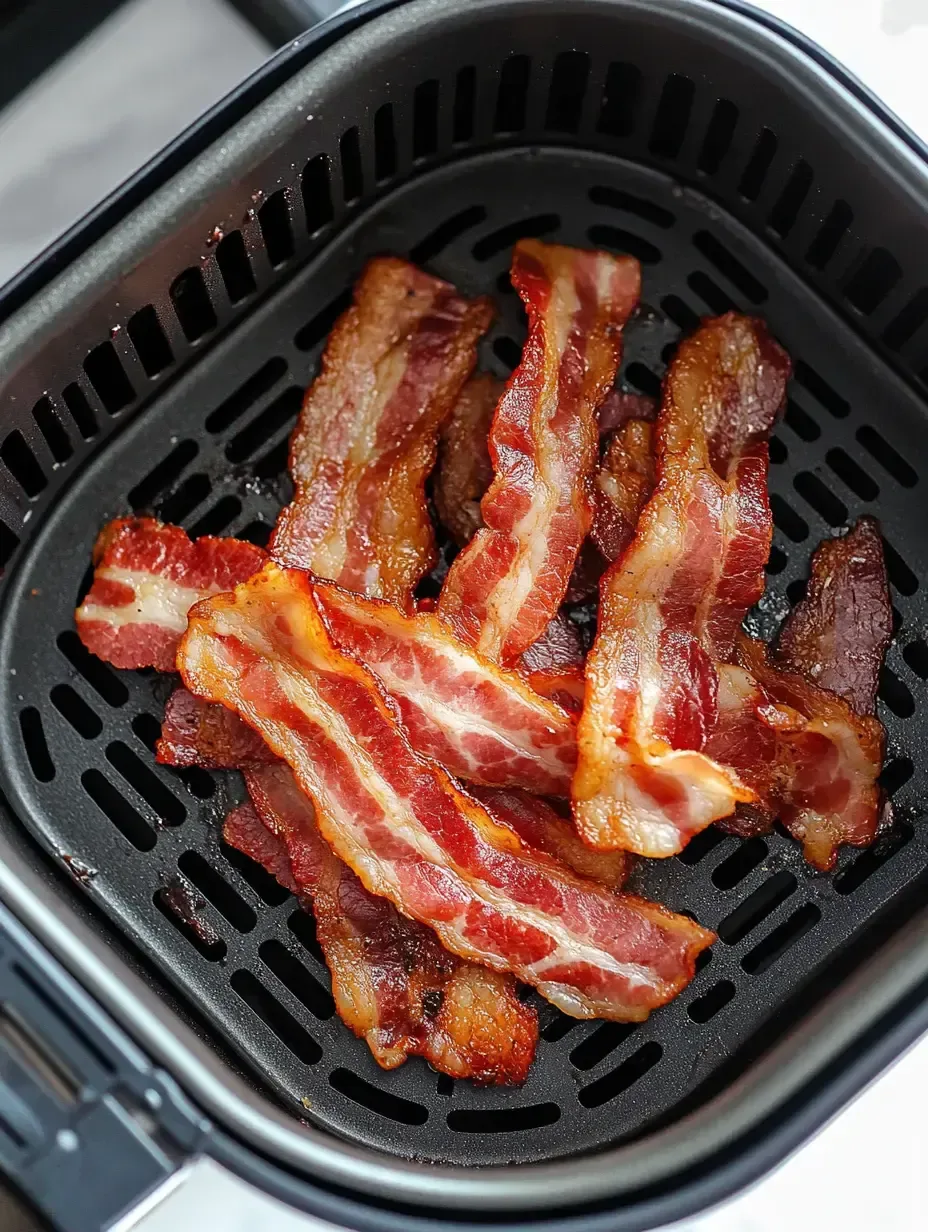
Image source: Bing (Web (fair-use with source credit))
Think of this guide as your visual cheat sheet. We'll walk through the stages, pointing out exactly what that bacon should look like as it transforms from flabby strips to irresistible crispy delights. This isn't about strict timings as much as it is about recognizing the visual signs of perfect doneness, preventing those common mistakes like burning or undercooking.
What You'll Need for Crispy Air Fryer Bacon
To get started on your quest for the best air fryer bacon, you'll need a few key items. It’s a fairly simple setup, really, focusing on the main players: the air fryer itself and, of course, plenty of bacon. Having these essentials ready will make the whole process smooth and enjoyable.
Your Air Fryer and Bacon
The star of the show, naturally, is your air fryer. These kitchen appliances use rapid air circulation to cook food, and they're fantastic for getting bacon crispy without the greasy splatter of pan-frying. You’ll want to make sure your air fryer is clean before you start.
The other absolute necessity is bacon. Our research points to streaky bacon, often called pork belly bacon, yielding the crispiest results in an air fryer because of its fat content. However, you can use back bacon or other varieties; just be mindful that fat levels will affect cooking time and final texture.
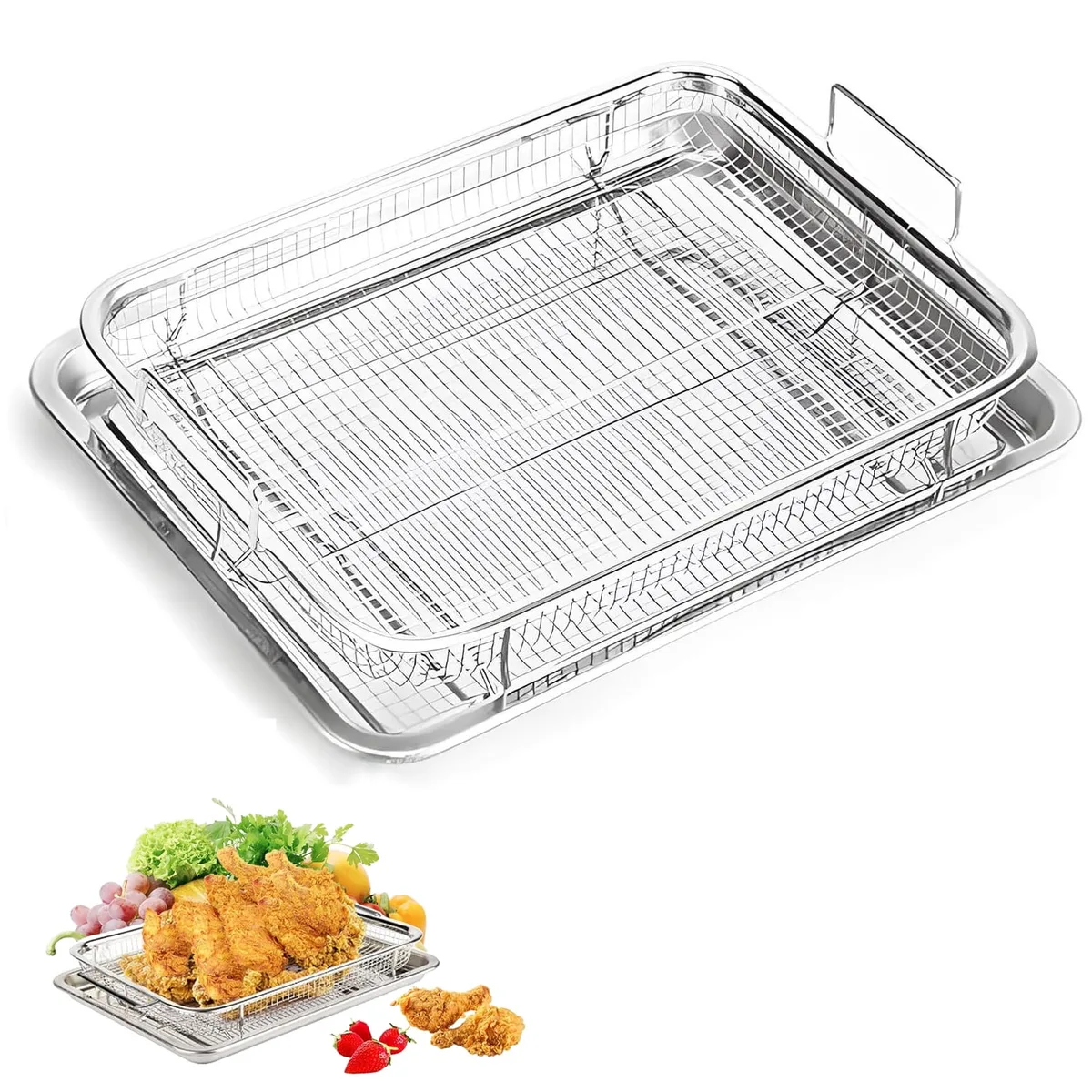
Image source: Bing (Web (fair-use with source credit))
Other Essentials
Beyond the main appliances, there are a couple of other things that make the process easier:
- Tongs: Essential for safely handling hot bacon and flipping it.
- Paper Towels: You'll use these for blotting excess grease after cooking and for lining the basket if you want to catch even more fat.
- A Plate or Baking Sheet: For transferring the cooked bacon.
Getting Started: Prepping Your Air Fryer and Bacon
Before you even think about turning on your air fryer, a little prep goes a long way. Getting these initial steps right sets you up for success and helps prevent some of the common pitfalls people run into. It’s about creating the best environment for your bacon to cook evenly.
Preheat the Air Fryer
Just like with many oven-baked or pan-fried recipes, preheating your air fryer is a crucial step. Preheating ensures that when the bacon hits the basket, it starts cooking immediately and evenly. This prevents the bacon from sitting and steaming in a cool basket, which can lead to soggier results.
Our research confirms that most manufacturers recommend preheating their air fryers for about 3-5 minutes. Aim for a temperature around 375°F (190°C). This temperature is a sweet spot for rendering the bacon's fat effectively while allowing it to crisp up without burning too quickly.
Arrange the Bacon
Now for the bacon itself. You'll want to arrange your bacon strips in a single layer in the air fryer basket. Overcrowding is the enemy of crispiness here; if the strips are piled on top of each other, the hot air can't circulate properly around each piece.
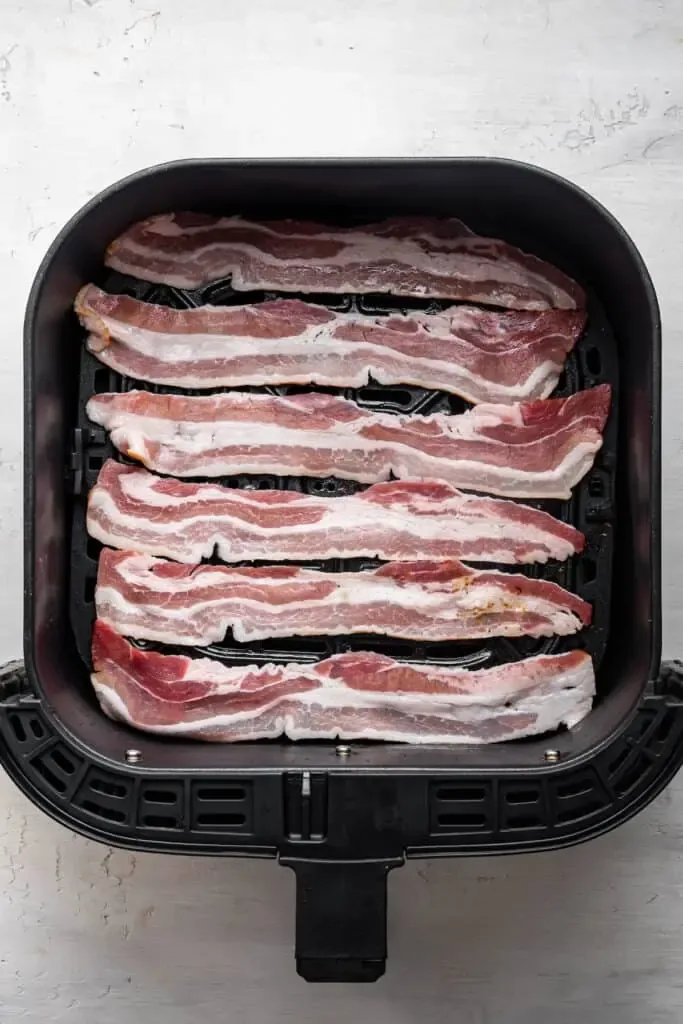
Image source: Bing (Web (fair-use with source credit))
If you're cooking more than one batch, cook them separately. This ensures maximum crispiness for every strip. For most standard air fryer baskets, 3-4 strips can usually fit without touching, depending on their size and your basket’s dimensions.
Cooking Bacon in the Air Fryer: What to Look For
This is where the visual aspect truly shines. We’re not just setting a timer and walking away; we’re observing the bacon as it cooks. By paying attention to how it looks and behaves, you’ll master the art of air fryer bacon.
The First Few Minutes: What Happens
In the initial 3-5 minutes of cooking at 375°F (190°C), you’ll notice the bacon starting to shrink slightly. You might see some fat beginning to render and pool in the bottom of the air fryer basket. Don't be alarmed by the sizzle or the initial appearance, this is normal.
The edges of the bacon strips may start to look a little darker, but they shouldn't be close to burnt. If you notice one end cooking much faster than the other, that’s a sign you might need to adjust the strips later. This stage is all about getting the cooking process underway.
Midway Check: The Flip and Fat Render
Around the 6-8 minute mark, it’s time for a check-in. You'll likely see a good amount of rendered fat in the basket. For the most even cooking and crispiness, it’s a good idea to carefully flip each strip of bacon.
This ensures both sides get equally exposed to the hot air.
At this stage, the bacon will have changed color significantly. It should be a deep reddish-brown, with parts of the fat appearing translucent and starting to crisp. If any pieces seem to be cooking unevenly, you can also reposition them now to ensure they all cook at a similar rate.
Nearing the Finish Line: Spotting Perfection
As you get closer to the total cooking time (which typically ranges from 8-15 minutes, depending on thickness and desired crispiness), you’ll be looking for specific visual cues. The bacon should appear golden brown and noticeably firmer. The fat pockets should be rendered and have a slightly bubbly, almost transparent look.
The edges are usually the first indicator of true crispiness. If they look deeply browned and are lifting off the basket, you’re likely very close. Your goal is a texture that’s firm and snaps when bent, but not so brittle that it turns to ash.
What you're aiming for is a beautiful, even color across the entire strip.
Common Bacon Blunders in the Air Fryer
Even with an air fryer, there are a few common pitfalls that can turn your bacon dreams into a greasy, burnt nightmare. Understanding these mistakes beforehand can save you a lot of frustration and ensure you get that perfect crisp every time.
When Bacon Curls Like Crazy
One of the most frequent complaints is bacon that curls up into a tight, uneven ball. This happens because the fat on the edges melts and contracts faster than the leaner meat. In an air fryer, this can lead to uneven cooking, with the curled-up parts often getting overcooked while the flat parts remain underdone.
To combat this, make sure you’re using strips that are relatively flat to begin with. Some cooks find that placing a small, air-fryer-safe rack or even another layer of bacon carefully on top (if your air fryer has enough height and you’re not overcrowding) can help weigh the strips down. Most importantly, don't be afraid to gently press down on curling strips with your tongs midway through cooking to encourage them to lie flatter.
Fighting the Smoke
While air fryers are generally cleaner than pan-frying, you can still end up with smoke, especially with fattier cuts of bacon. The primary cause is fat dripping down onto the heating element at the bottom of the air fryer, where it can burn and produce smoke.
To minimize smoke, ensure your air fryer is clean before you start. Also, consider lining the bottom of your air fryer (under the basket, NOT inside it) with a bit of aluminum foil, being careful not to block any vents. Some users also find that preheating the air fryer and cooking at slightly lower temperatures, around 350°F (175°C) instead of 375°F (190°C), can help manage smoke.
The Danger of Burnt Edges
It's easy to get beautiful, crispy edges on your bacon, but it's also easy to go too far and end up with burnt, bitter bits. This usually occurs when the bacon is too close to the heating element or when the cooking temperature is set too high for the thickness of the bacon.
If you notice the edges browning much faster than the rest of the strip, it's time to act. You can carefully trim off the excessively dark edges with kitchen scissors or a knife. Alternatively, you can carefully remove the bacon from the air fryer basket a minute or two early and let the residual heat finish the job.
Fat Draining and Cooling Your Bacon
Once your bacon reaches that perfect level of crispiness, the job isn't quite done. Proper draining and cooling are key to maintaining that delightful crunch and ensuring the bacon is ready to eat without leaving a greasy residue on your plate or in your mouth.
After you remove the bacon from the air fryer basket using tongs, transfer it immediately to a plate lined with paper towels. This step is crucial. The paper towels absorb the excess rendered fat that's still clinging to the bacon strips.
Press down gently with another paper towel on top to blot any remaining grease.
Allowing the bacon to cool slightly on the paper towels for a minute or two also helps it firm up further. As it cools, the remaining fat will solidify slightly, contributing to that satisfying crispness. This cooling period ensures the bacon isn't dripping with hot grease when you bite into it.
Cleaning Up Your Air Fryer
Once you've enjoyed your perfectly cooked bacon, the thought of cleaning up might seem daunting, but it’s often much simpler than scrubbing a greasy pan. Most air fryer baskets are designed for easy cleaning. The key is to tackle it while the appliance is still slightly warm, but not hot enough to burn you.
After you've transferred the bacon and blotted it dry, remove the air fryer basket. If there are large pieces of bacon or burnt bits stuck to it, gently scrape them away with a non-abrasive sponge or a soft spatula. Many air fryer baskets are dishwasher-safe; check your appliance's manual.
If yours is, simply place it in the dishwasher for a thorough clean.
If you're cleaning by hand, use warm, soapy water. A good dish soap designed to cut through grease is ideal. For stubborn residue, you can let the basket soak for a few minutes before scrubbing.
Always rinse thoroughly and allow the basket to dry completely before reassembling it into the air fryer. This prevents any lingering moisture that could affect future cooking.
Frequently Asked Questions About Air Fryer Bacon
How long does bacon typically take to cook in an air fryer?
Cooking times vary, but most bacon strips will be perfectly crispy in 8 to 15 minutes at 375°F (190°C). Thicker cuts will lean towards the longer end, while thinner slices might only need 8-10 minutes. Always check visually towards the end of the estimated time.
Should I put bacon in a cold air fryer or preheat it?
Preheating your air fryer for about 3-5 minutes to 375°F (190°C) is highly recommended. This ensures the bacon begins cooking immediately and evenly, leading to crispier results and preventing it from getting soggy from sitting in a cool basket.
Can I cook bacon that has already been cured or smoked?
Yes, you can cook cured or smoked bacon in an air fryer. The process is the same as for uncured bacon. The visual cues for doneness and crispiness will also be similar, though cooking times might vary slightly based on the thickness and specific type of curing.
Is it safe to put foil in the air fryer basket?
For cleaning purposes, you can line the bottom of your air fryer basket with aluminum foil, but ensure it doesn't block the air vents. Never place foil directly on the heating element. Always refer to your air fryer's manufacturer instructions regarding the use of foil or other liners for safe operation.
How do I prevent bacon grease from smoking up my kitchen?
Excessive smoke usually means bacon fat is burning on the heating element. Try to ensure the basket isn't overcrowded, and clean your air fryer regularly. If smoke is persistent, you might need to lower the temperature slightly or use a splatter screen designed for air fryers.
Your Go-To Visual Cheat Sheet for Air Fryer Bacon
Mastering air fryer bacon isn't about complex techniques; it's about knowing what to look for at each stage. Think of this as your quick reference guide to visual perfection, helping you achieve that ideal crispiness every single time you fire up your air fryer.
- Stage 1 (0-5 minutes): Bacon starts to shrink slightly. You'll see the first signs of fat rendering and pooling in the basket. Edges might be a light brown.
- Stage 2 (6-10 minutes): Bacon is noticeably browner, and more fat has rendered. Flip the strips. Fat pockets should look partially translucent. This is when you can start seeing the potential for crispiness.
- Stage 3 (10-15 minutes): This is prime time for crisping. The bacon should be a deep golden brown. The fat should look fully rendered and clear, and the edges should be firm and lifting slightly. It should have a satisfying sheen and a firm texture when gently touched with tongs. If it bends easily without snapping, it might need another minute or two.
Remember, bacon thickness and your specific air fryer model are the biggest variables. Always err on the side of checking a minute or two early rather than letting it burn. Once you've got the hang of these visual cues, you’ll be whipping up perfect air fryer bacon without even thinking about a timer.