How to Sanitize a Cutting Board
You want to know how to sanitize a cutting board, and that’s a smart move. Keeping your kitchen tools clean is a cornerstone of food safety, preventing little invisible threats from spreading. It’s more than just a quick scrub; it’s about ensuring your food prep surfaces are truly germ-free.
Our research indicates that proper sanitization significantly reduces the risk of cross-contamination, a key concern for any home cook. Following specific guidelines, especially those from food safety bodies, ensures your boards are safe for all types of ingredients, as recommended by authorities like the FDA. Now, let's break down exactly what you need to do.
Quick Answer
Sanitize your cutting board after preparing raw meat, poultry, or seafood. Wash plastic boards with hot, soapy water, then apply undiluted white vinegar or a diluted bleach solution, followed by a thorough rinse and dry. For wood boards, use hot water and mild soap, then sanitize with vinegar or lemon and salt, rinse, and dry completely.
Always dry boards thoroughly to prevent bacterial growth.
Your Cutting Board Material: The First Big Decision
The path to a sanitized cutting board starts with understanding what it's made of. Not all materials handle cleaning and sanitizing the same way, and using the wrong method can actually damage your board or be less effective. We’ve got two main players here: plastic and wood.
Plastic: Easy to Sanitize
Plastic cutting boards are generally the most straightforward to clean and sanitize. Because they are non-porous, they don't absorb liquids or odors as readily as wood. This makes them good candidates for more robust cleaning methods without worrying too much about damage.
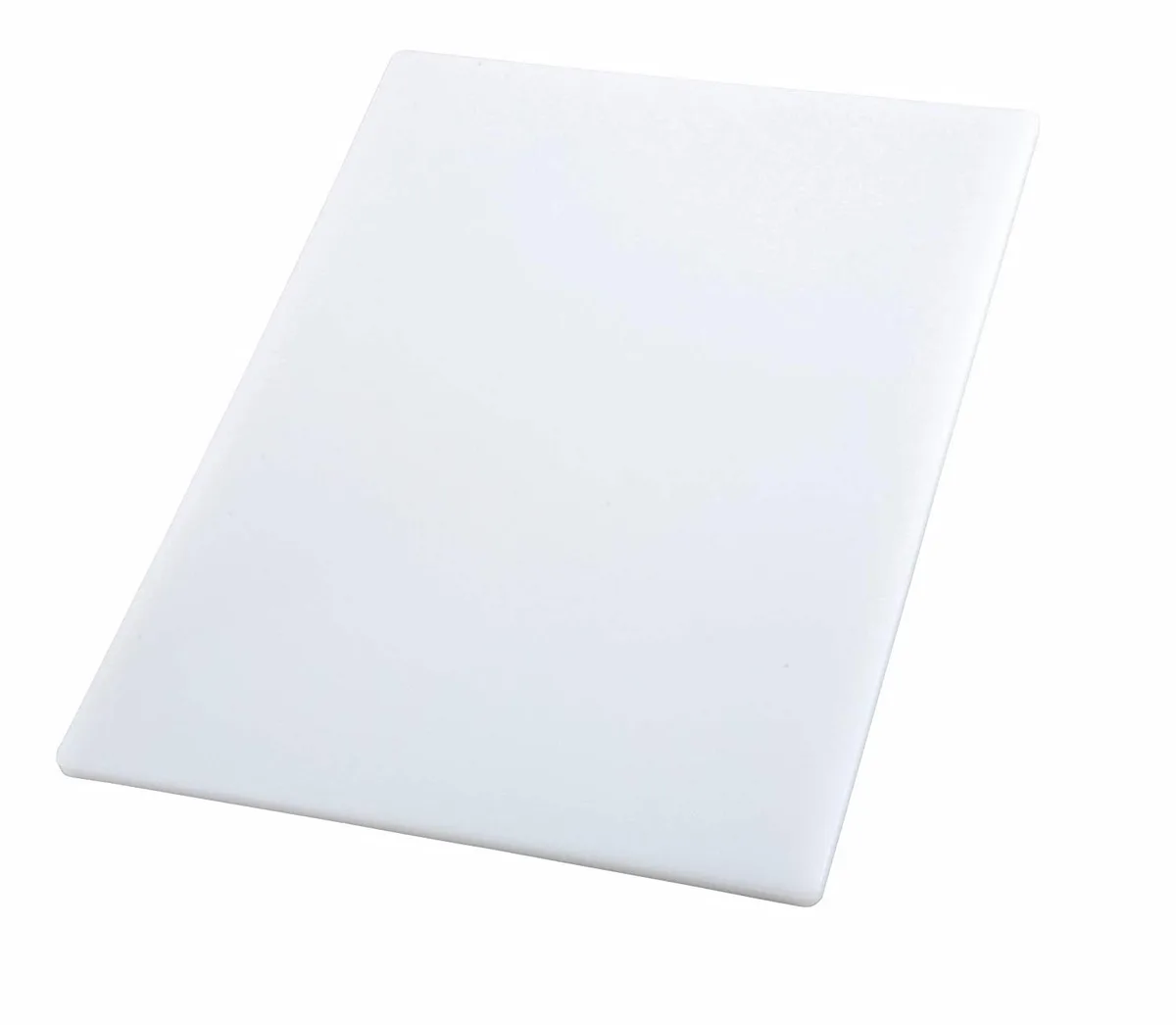
Our research confirms that plastic boards are less likely to harbor bacteria in deep grooves, provided they aren't excessively scratched. They’re also often dishwasher-safe, which can be a convenient way to sanitize them if your dishwasher reaches sufficiently high temperatures. For instance, many dishwashers reach temperatures around 140-160°F (60-71°C), which helps kill germs.
If your plastic board is labeled dishwasher-safe, that’s often your easiest route to a sanitary surface.
Wood: Requires Gentle Care
Wood cutting boards bring a natural beauty and a satisfying heft to the kitchen, but they require a bit more finesse. Wood is a porous material, meaning it can absorb moisture, juices, and odors from food. This absorption means you need to be mindful of how you clean and sanitize it to avoid damaging the wood or leaving it perpetually damp.
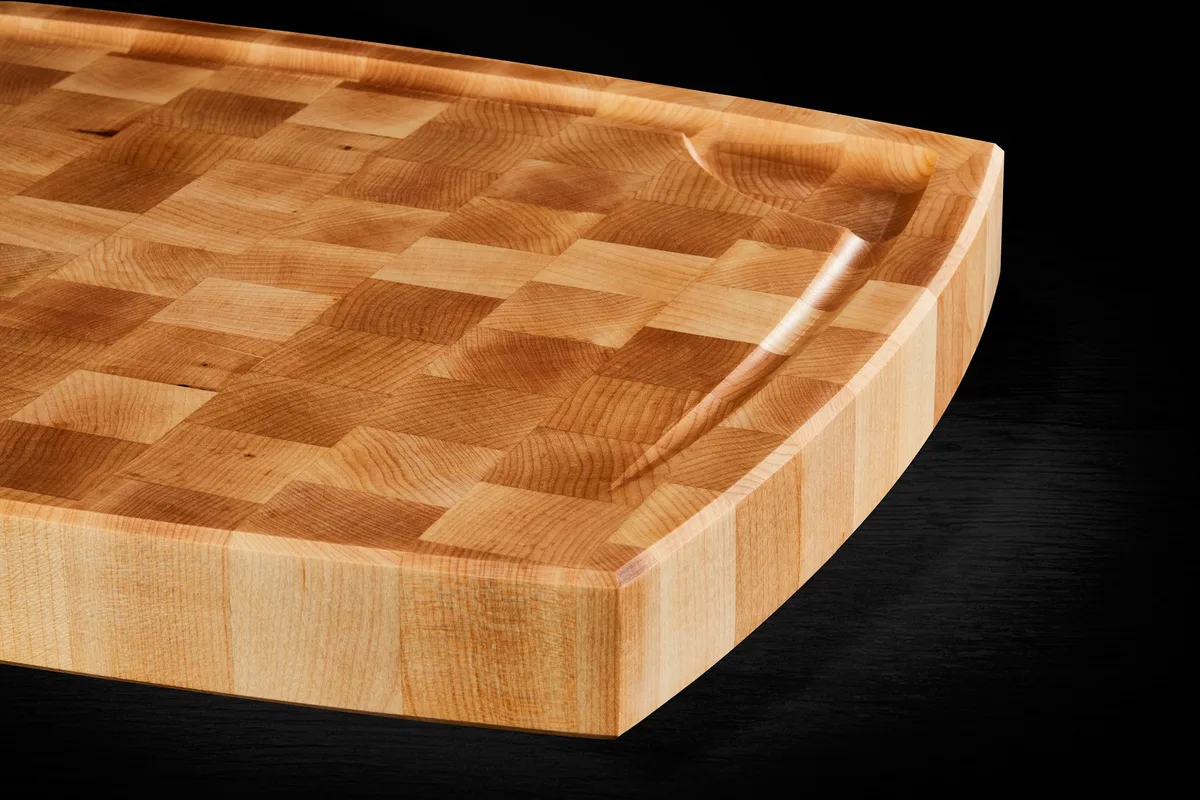
Manufacturer specifications for most hardwood cutting boards, like those made from maple or bamboo, suggest avoiding prolonged soaking and harsh chemicals that can dry out and crack the wood. Instead, a gentle approach with natural sanitizers is usually recommended. For example, many wood experts advise against using bleach on wood as it can degrade the material over time.
What You're Cutting: The Crucial Factor
The type of food you prepare on your cutting board is the biggest indicator of whether you need to go beyond a simple wash with soap and water. This is where cross-contamination becomes a real concern, and taking the right sanitizing steps is non-negotiable.
Raw Meats, Poultry, Seafood: High Risk Zone
When you're cutting raw meat, poultry, or seafood, you're dealing with ingredients that can carry harmful bacteria like Salmonella, E. coli, or Listeria. These pathogens can easily transfer from the raw product to your cutting board. If you then use that same board for ready-to-eat foods like fruits, vegetables, or bread without proper sanitization, you're risking foodborne illness.
This is why the FDA strongly recommends a thorough sanitizing process immediately after preparing these high-risk items. Even if you only cut raw chicken briefly, residual bacteria can remain. Skipping the sanitization step here is a direct pathway to potential kitchen contamination.
Produce, Bread, Cooked Foods: Lower Risk
For items like fruits, vegetables, bread, or cooked foods, the primary risk is from bacteria that might have already been on the board from a previous use, rather than from the food itself. If you’ve only been preparing these types of ingredients on your board, and especially if you’ve washed it thoroughly with hot, soapy water between uses, a full sanitization might not be necessary every single time.
However, if you've prepared raw meat, poultry, or seafood earlier and haven't sanitized the board since, you absolutely must sanitize it before moving on to these lower-risk items. It’s about breaking the chain of contamination. Even for produce, if the board has visible scratches or is older, a quick sanitization adds an extra layer of safety.
The Sanitizing Process: Step-by-Step
Now that we know what kind of board we have and what we've been cutting, let's get down to the actual sanitizing steps. This process is designed to be effective without damaging your board, keeping it safe and functional for a long time.
For Plastic Boards
Plastic boards are generally robust, making them ideal for frequent sanitization. As of 2026, many manufacturers still recommend these methods for optimal hygiene.
- Wash Thoroughly: First, always wash your plastic board with hot water and a good squirt of dish soap. Use a scrub brush or a sponge to get any visible food particles off both sides.
- Rinse Well: Make sure all the soap residue is rinsed away with clean water.
- Sanitize:
- Vinegar Method: Pour undiluted white vinegar liberally over the entire surface of the board. Let it sit for at least 5 minutes. Vinegar is a natural disinfectant that works effectively on many common kitchen bacteria.
- Bleach Solution Method (Use with Care): For a stronger sanitization, mix 1 tablespoon of unscented household bleach with 1 gallon of water. Wipe down the board with this solution, ensuring all surfaces are covered. Avoid using scented bleach, as it can leave residues.
- Rinse Again: After the sanitizer has done its work (either vinegar or bleach), rinse the board thoroughly with fresh, clean water.
- Dry Completely: This is a critical step. Air dry the board completely on a rack, or wipe it down with a clean, dry towel. Storing a damp board can encourage new bacterial growth.
For Wood Boards
Wood requires a gentler touch. The goal is to sanitize without stripping natural oils or causing the wood to warp.
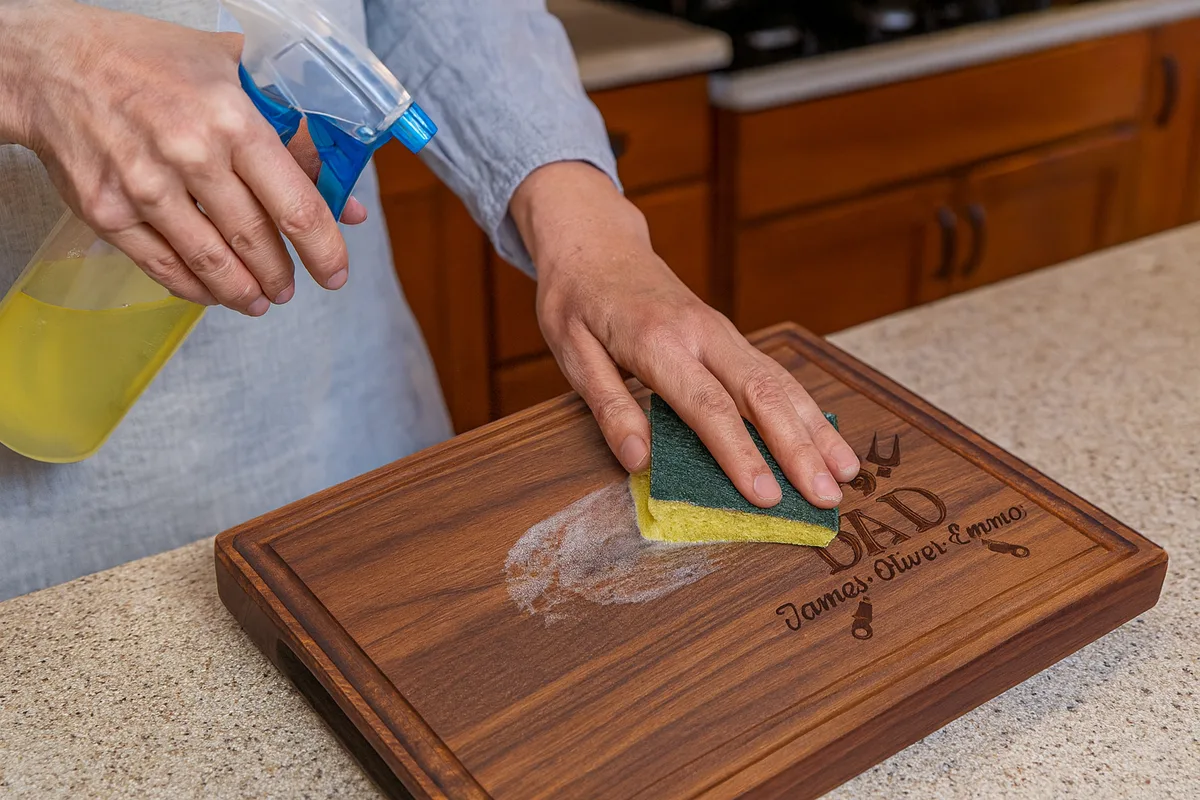
- Wash Gently: Use hot water and a mild dish soap. Scrub the wood board with a soft brush or cloth, focusing on removing any food debris. Avoid soaking the wood.
- Rinse Quickly: Rinse off the soap with hot water, again, without letting the board sit in water.
- Sanitize:
- Vinegar Method: Apply undiluted white vinegar to the board's surface and let it sit for 5-10 minutes.
- Lemon and Salt Method: This is a great, natural option that also tackles odors. Sprinkle coarse salt generously over the damp board. Cut a lemon in half and use the cut side to scrub the salt into the wood. After letting it sit for a few minutes, scrape off the salt and lemon pulp.
- Rinse (If Needed): If you used vinegar, give the board a quick rinse. The lemon and salt method generally just needs to be wiped clean.
- Dry Thoroughly: Just like plastic boards, allow your wood board to air dry completely. You can prop it up to allow air circulation on all sides.
Common Mistakes to Sidestep
Even with the best intentions, a few common slip-ups can undermine your sanitizing efforts, leaving your cutting board less clean than you think. Knowing these pitfalls can save you a lot of hassle and keep your kitchen safer.
The Rinse-and-Forget Habit
One of the most frequent mistakes is simply rinsing the board after washing and assuming it's clean enough. While washing removes visible food particles and some germs, it doesn't kill everything. Sanitizing is the essential step that eliminates most remaining bacteria, especially from raw meat juices.
Failing to sanitize after handling high-risk foods is a direct route to potential cross-contamination in your kitchen.
Soaking Wood Boards
Wood cutting boards are susceptible to water damage. Prolonged soaking can cause the wood to swell, warp, and eventually crack. This not only ruins the board's appearance and function but also creates more nooks and crannies where bacteria can hide, making it harder to clean effectively in the future.
Always opt for a quick wash and rinse for wood.
Over-Sanitizing Delicate Materials
While it's good to sanitize, using overly harsh chemicals on wood can be detrimental. For example, regularly using strong bleach solutions on a wooden board can dry out the wood, leading to damage and making it more prone to absorbing odors and stains. It's about finding the right balance for each material.
Keeping Your Boards in Top Shape
Proper sanitization is a big part of good board care, but there are other steps to ensure they last and stay hygienic. For wooden boards, regular oiling is crucial. Every few weeks, or whenever the wood looks dry, apply a food-grade mineral oil and let it soak in for a few hours before wiping off any excess.
This helps to seal the wood, prevent drying and cracking, and makes it more resistant to staining and odor absorption. For both plastic and wood, inspect your boards regularly for deep cuts or grooves. These can harbor bacteria that are difficult to remove, even with sanitizing.
If a board becomes excessively scarred, it's time to replace it to maintain optimal kitchen safety.
Frequently Asked Questions About Cutting Board Sanitization
How long should I let sanitizer sit on a cutting board?
For plastic boards using a diluted bleach solution, it's generally recommended to let it sit for at least 30 seconds. For vinegar, 5 minutes is usually sufficient for effective sanitization. For wood, especially when using lemon and salt, 5-10 minutes allows the natural agents to work.
Can I put cutting boards in the dishwasher?
Many plastic cutting boards are dishwasher-safe, and this can be an effective way to sanitize them. Always check the manufacturer's instructions. However, wood cutting boards are typically not dishwasher-safe, as the heat and prolonged exposure to water can cause them to warp, crack, and dull.
How often should I sanitize my cutting boards?
You should sanitize your cutting board every time you use it to prepare raw meat, poultry, or seafood. For boards used only for produce, bread, or cooked items, a thorough wash with hot, soapy water after each use is usually sufficient, with sanitization recommended periodically or if you notice odors.
What's the best sanitizer for a wooden cutting board?
For wooden cutting boards, undiluted white vinegar or a lemon and salt scrub are excellent natural sanitizers. These methods are effective at killing bacteria without damaging the wood fibers, unlike stronger chemicals like bleach which can degrade the material over time.
When to Consider Replacing Your Cutting Board
Your cutting board is a workhorse in the kitchen, but like any tool, it has a lifespan. Eventually, wear and tear can make it less safe and less effective, no matter how well you clean it. Knowing when it's time to let go of an old board is just as important as knowing how to sanitize it.
The Tell-Tale Signs of a Worn-Out Board
Look for deep, pervasive knife marks. These grooves can trap food particles and bacteria, making them incredibly difficult to sanitize completely. If your board has multiple deep cuts across its surface, it's a strong indicator that it's time for a replacement.
Another sign is a board that has permanently absorbed strong odors, like garlic or onion, which even sanitizing can't seem to remove. Warping or significant cracking on wooden boards also signals that the board is compromised and should be retired.
The Safety Factor of New Boards
Replacing an old, grooved board with a new one ensures you're starting with a clean slate. A fresh surface is non-porous and easily cleaned and sanitized, significantly reducing the risk of cross-contamination. For a new plastic board, a quick initial wash and sanitization is a good practice.
For new wood boards, applying a food-grade mineral oil before its first use helps to seal the surface and prepare it for the rigors of food prep. Investing in a new board is a small price for enhanced kitchen safety.
Tools and Techniques for Board Care
Beyond just sanitizing, there are a few key tools and techniques that make maintaining your cutting boards much easier and more effective. Having the right items on hand can turn a chore into a quick part of your kitchen routine.
Here’s a quick look at what can help:
- Stiff Scrub Brush: Essential for really getting into the grain of plastic boards or scrubbing away stubborn bits on wood.
- Microfiber Cleaning Cloths: Great for wiping down boards after sanitizing and for drying them completely. They’re absorbent and lint-free.
- Food-Grade Mineral Oil: A must-have for wooden boards to keep them hydrated and prevent drying and cracking.
- White Vinegar: A readily available, natural disinfectant that’s safe for both plastic and wood.
- Unscented Household Bleach: For plastic boards, this offers a more potent sanitizing option when used diluted, but always ensure it's unscented.
Using these items consistently will help your cutting boards stay hygienic and last longer, ensuring your food preparation is always safe.
What About Cutting Board Oils and Waxes?
You might see products marketed as cutting board oils or waxes, and wonder if they're necessary. For wooden boards, the primary recommendation from manufacturers is food-grade mineral oil. This is readily available and effectively keeps the wood conditioned.
Some products might combine mineral oil with beeswax. Beeswax can add a bit more water resistance and a smoother finish to the board. While not strictly necessary for basic sanitization, using a good quality board conditioner, whether it’s pure mineral oil or a wax blend, is a good maintenance practice for wooden boards.
It helps maintain the board's integrity and appearance over time. Always ensure any product you use is specifically labeled as food-grade.
Choosing the Right Cutting Board Material for Your Needs
When it comes to picking a new cutting board, the material is a big factor. Our research indicates that both plastic and wood have their pros and cons, and the best choice often depends on your personal cooking habits and kitchen setup. For instance, if you frequently prepare raw meats, a plastic board might be a simpler choice because it’s often dishwasher-safe and less prone to staining.
However, many chefs and home cooks prefer the feel and durability of wood, especially hardwoods like maple or bamboo. While wood requires more careful maintenance and sanitization, it can be gentler on knives. Ultimately, understanding these differences helps you make an informed decision.
You can explore options for compact dishwashers if easy cleaning is a priority, or consider small cooking pots for specific meal prep tasks.