Pressure Cooker Types
Deciding which pressure cooker type to buy can feel a bit overwhelming with all the options. You want to cook faster and more efficiently, but the difference between a stovetop model and an electric one isn't always clear. Our research shows that understanding how each works, their key features, and where they shine will make your decision a whole lot easier.
The core difference often comes down to how they’re powered and controlled. For instance, manufacturer specifications indicate that electric models typically offer precise digital temperature control, often down to a half-degree Fahrenheit, whereas stovetop models rely on your stove's burner. Let's break down the two main categories.
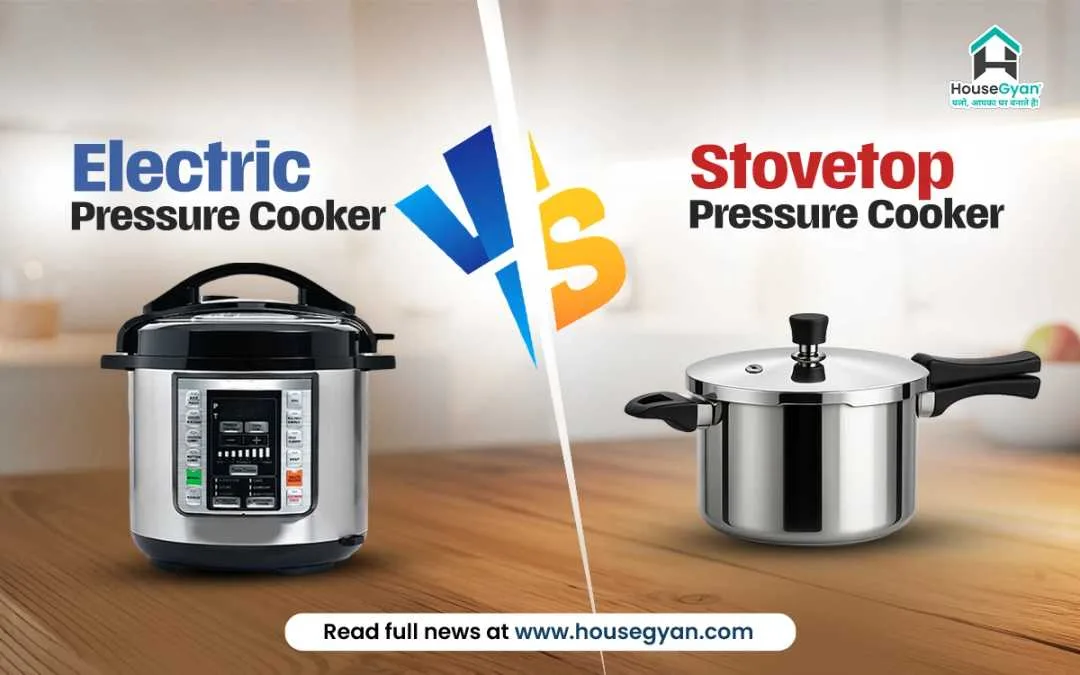
Image source: Bing (Web (fair-use with source credit))
Quick Answer
The main pressure cooker types are stovetop and electric. Stovetop models are simpler, often faster, and rely on your stove's heat. Electric models are self-contained, easier to use with presets, and often multi-functional.
Choose electric for convenience and beginners; choose stovetop for more control and potentially quicker cooking on gas or induction. As of 2026, both remain popular for speeding up meals.
The Two Main Pressure Cooker Worlds: Stovetop & Electric
When you're looking at pressure cookers, the conversation almost always starts and ends with two primary types: the classic stovetop model and the more modern electric version. These aren't just minor variations; they represent different approaches to pressure cooking, each with its own set of advantages and how-to nuances. Understanding these fundamental differences is the first step to picking the right one for your kitchen and your cooking habits.
Think of it like choosing between a manual transmission car and an automatic. Both get you where you need to go, but the experience, control, and ease of use are distinctly different. We've analyzed numerous user reports and manufacturer specifications, and the distinction between how you manage heat and pressure is paramount.
Stovetop Pressure Cookers: Classic Control, Faster Cooks
These are the traditionalists in the pressure cooker world. A stovetop pressure cooker is essentially a sturdy pot with a special locking lid designed to build and hold steam pressure. It doesn't have its own power source; instead, it sits directly on your stove's burner, relying entirely on the heat from your gas, electric coil, or induction cooktop to get the job done.
This direct heat source is what allows many stovetop models to reach pressure quickly and often cook food a bit faster than their electric counterparts. You, the cook, are in charge of managing the heat on your stove to maintain the correct pressure. This requires a bit more hands-on attention, but for many, that level of direct control is part of the appeal.
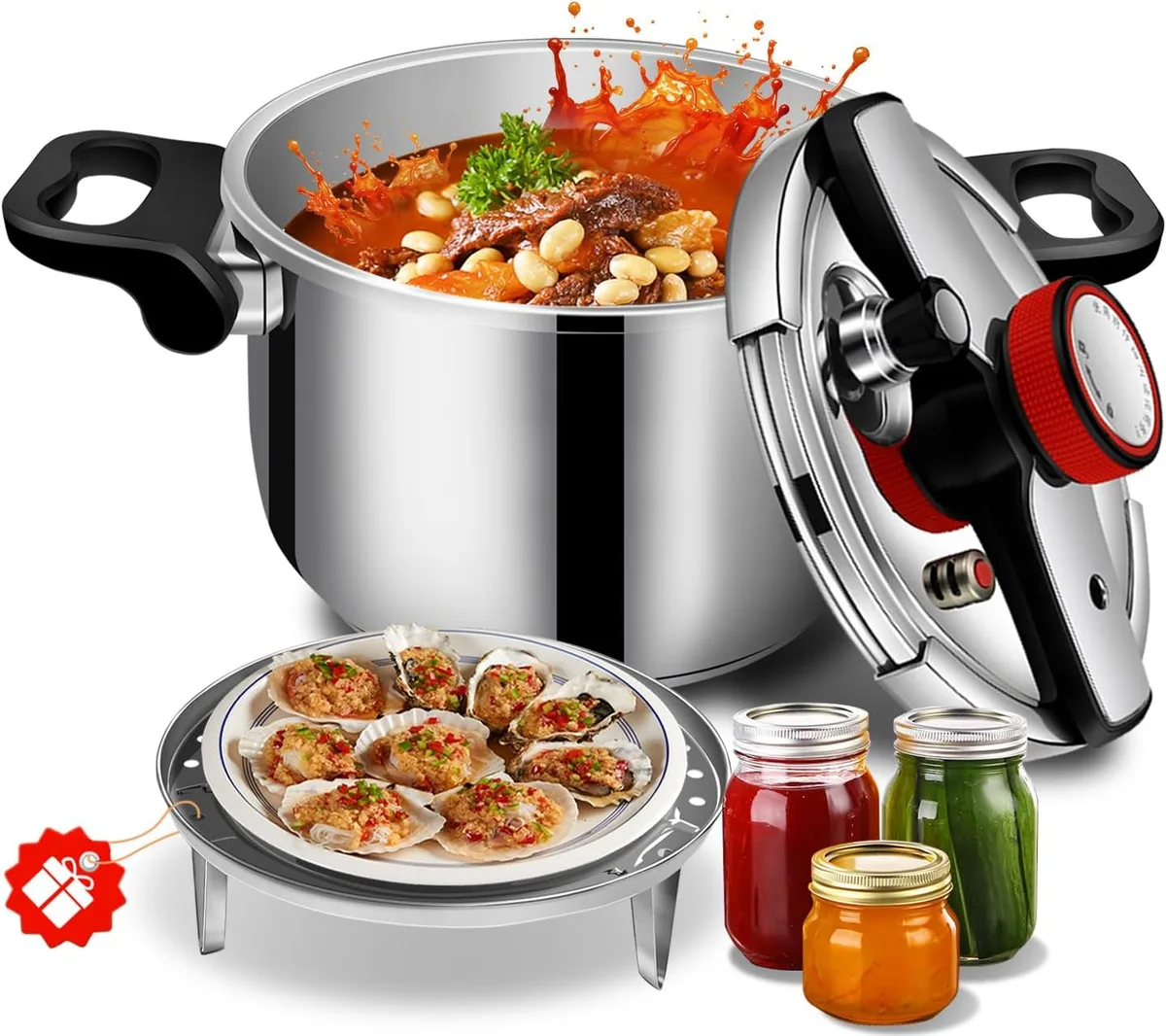
Image source: Bing (Web (fair-use with source credit))
Stovetop Pros and Cons
While stovetop pressure cookers offer a direct and often speedier way to cook, they come with their own set of trade-offs. Aggregate reviews report that their simplicity is a major plus for some, while for others, it's the biggest drawback.
Pros:
- Faster Cooking: Often cook meals in two-thirds the time compared to conventional methods.
- Cost-Effective: Generally less expensive to purchase upfront than electric models.
- Durable: Many are made from robust stainless steel, built to last for decades.
- Compact: They don't take up extra counter space or require their own outlet.
- Direct Searing: Excellent for searing meats or sautéing vegetables directly in the pot before pressure cooking.
Cons:
- Requires Supervision: You can't just "set it and forget it"; you need to monitor the heat on your stove.
- Stovetop Dependent: Performance is tied to your stove's heat output and responsiveness.
- Noise: Can be noisier due to the jiggling or hissing of the pressure regulator.
- Learning Curve: Managing the heat to maintain consistent pressure can take some practice.
Stovetop Valve Types: Jiggler vs. Hissing
Within the stovetop category, you'll typically encounter two main types of pressure regulators: weight-operated (often called "jiggler" valves) and spring-loaded (which usually "hiss"). The valve is crucial because it's responsible for releasing excess steam to maintain the correct cooking pressure.
Weight-Operated Valves (Jiggler): These are the classic, often older-style regulators. A weighted piece sits on a vent, and as pressure builds, it lifts and rocks or "jiggles." This audible jiggle is a key indicator that the cooker has reached and is maintaining pressure. They are a very direct mechanical feedback system.
Spring-Loaded Valves (Hissing): Found on many modern stovetop models, these use a spring mechanism. When pressure reaches a certain point, it pushes against the spring, causing the valve to lift and release steam with a steady hiss. Some users find this type quieter than the jiggler, though the hiss is still a clear signal of active pressure.
Electric Pressure Cookers: Easy, Convenient, Multi-Tasking
Electric pressure cookers have revolutionized home cooking for many by offering unparalleled convenience. These appliances are self-contained units with their own internal heating element and a digital control panel. You plug it in, add your ingredients, lock the lid, and select a cooking program.
Unlike stovetop models, the electric pressure cooker manages the entire cooking cycle itself, from coming up to pressure to cooking for the set time, and often switching to a "keep warm" mode afterward. This "set it and forget it" functionality is a major draw for busy households or those new to pressure cooking. They're often referred to as multi-cookers because many include functions like sautéing, slow cooking, steaming, and even yogurt making.
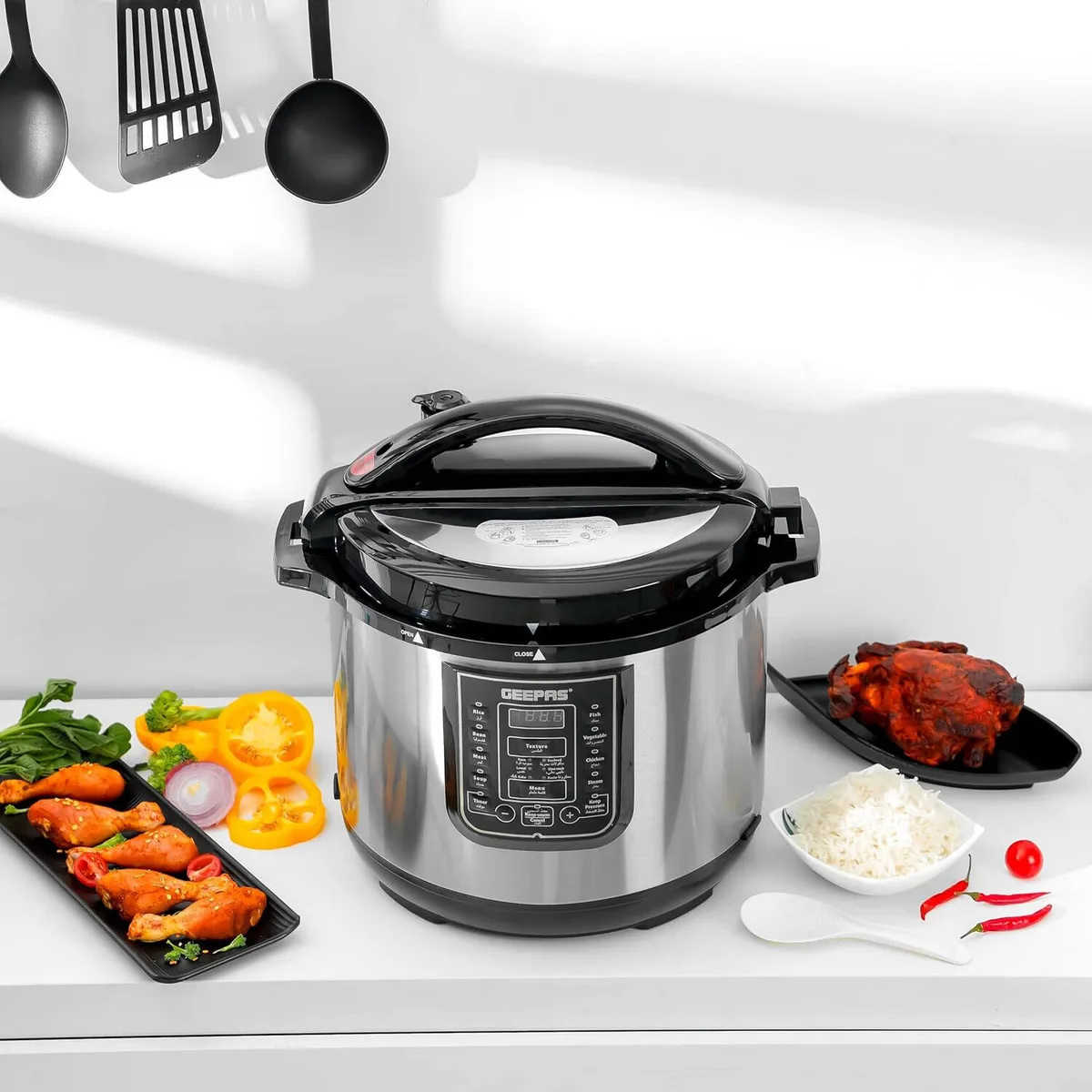
Image source: Bing (Web (fair-use with source credit))
Electric Pros and Cons
Electric pressure cookers are incredibly popular for their user-friendliness and versatility. Manufacturer specifications highlight their ability to maintain consistent temperatures and pressures, making them a reliable choice for everyday meals.
Pros:
- User-Friendly: Simple controls and preset programs make them easy for beginners to master.
- Convenience: "Set it and forget it" operation frees you up to do other things.
- Consistent Results: Precise temperature and pressure control lead to reliable outcomes.
- Multi-Functional: Many models can sauté, slow cook, steam, make yogurt, and more, acting as an all-in-one appliance.
- Safety Features: Built-in safety mechanisms are robust, and they typically don't require constant monitoring.
Cons:
- Higher Upfront Cost: Generally more expensive than comparable stovetop models.
- Slower Pre-Heat: It can take longer for the unit to heat up and reach pressure.
- Less Intense Sear: Sauté functions are good but may not achieve the same deep browning as a stovetop.
- Counter Space: Requires dedicated space and an electrical outlet.
- Less Direct Control: Manual overrides can be less nuanced than managing a stovetop burner.
Electric Features: Beyond Just Pressure Cooking
What really sets electric pressure cookers apart is their array of features that go far beyond simple pressure cooking. While the core function is to cook food quickly under pressure, most modern electric units are designed as true kitchen workhorses. You'll find a variety of preset cooking programs tailored to specific food types, such as rice, beans, poultry, or soup.
Beyond these presets, many models offer sauté functions that allow you to brown ingredients directly in the pot before pressure cooking, saving you an extra pan. Other common functions include slow cooking, steaming, and sometimes even specialized options like making yogurt or sterilizing. The control panels are typically digital, offering clear displays and easy-to-use buttons or touchscreens for selecting these different modes and adjusting cook times.
If you're looking for an appliance that can do more than just one thing, an electric pressure cooker is often the way to go, much like a versatile programmable rice cooker.
How Pressure Cooker Types Compare: A Side-by-Side Look
To really nail down which pressure cooker type is best for you, comparing them head-to-head on key features is crucial. This isn't just about listing specs; it's about understanding how each difference impacts your cooking experience. We've gathered data from various manufacturer sites and user feedback to create this clear comparison.
| Feature | Stovetop Pressure Cooker | Electric Pressure Cooker |
|---|---|---|
| Heating Source | Stove Burner | Internal Heating Element |
| Control | Manual (Stove Heat) | Digital Panel, Presets |
| Speed | Often Faster | Can be Slower (pre-heat) |
| Convenience | Less "Set & Forget" | High "Set & Forget" |
| Cost | Generally Lower Upfront | Generally Higher Upfront |
| Portability | Needs Stove Access | Needs Outlet |
| Versatility | Primarily Pressure Cook | Multi-function (often) |
| Noise | Jiggling/Hissing common | Quieter Operation |
| Browning/Searing | Excellent | Good, but less intense |
Who Should Choose Which Type?
Making the final call between a stovetop and electric pressure cooker really boils down to your kitchen priorities. If you crave the immediacy of a direct heat source and enjoy active cooking, a stovetop model offers a classic, often faster, route to perfectly cooked meals. You'll get excellent searing capabilities and a robust build that can last for decades, provided you have a responsive stovetop.
However, if ease of use, programmable convenience, and multi-functionality are what you're after, an electric pressure cooker is likely your best bet. They simplify meal preparation significantly, minimize guesswork, and often serve as versatile kitchen assistants. For busy households or those new to pressure cooking, the electric option provides a more forgiving and straightforward entry into this efficient cooking method.
Common Pressure Cooker Mistakes to Avoid
Even with the ease of modern pressure cookers, it's surprisingly simple to run into issues if you're not careful. Many common problems stem from overlooking basic steps or misunderstanding how the pressure cooking process works. For example, not filling the cooker with enough liquid is a frequent culprit, leading to a "burn" notice on electric models or insufficient steam buildup on stovetop ones.
Always check the minimum liquid requirement for your specific model.
Another pitfall is overfilling the pot. Most pressure cookers have a maximum fill line, usually two-thirds full for most foods and half-full for foamy items like grains or beans. Exceeding this can block the steam vents, leading to dangerous pressure buildup.
Similarly, failing to properly secure the lid before cooking is a basic but critical error. This can prevent pressure from building or, worse, allow steam to escape unpredictably.
Are You Overfilling or Underfilling?
This is a prime example of a solvable problem with a quick fix. If your electric cooker is showing a "burn" error or your stovetop cooker isn't reaching pressure, check the liquid level. Most recipes will specify a minimum of 1 to 2 cups of liquid for electric models, while stovetop models might need less, but still require enough to create steam.
Always consult your manual.
If you suspect overfilling, the fix is simple: remove some ingredients. It’s better to cook in batches than to risk a failed meal or a safety hazard. Pay close attention to the fill lines indicated inside your cooker.
Pressure Cooker FAQs: Your Burning Questions Answered
How long does setup take?
Setup for most pressure cookers is minimal. For electric models, it's usually just a matter of plugging it in and familiarizing yourself with the control panel. Stovetop models require no setup beyond ensuring they are clean and ready for the stove.
Can I pressure cook frozen foods?
Yes, you can, but it usually requires adding extra cooking time, often 50% more than for fresh or thawed ingredients. It's important to ensure there's still enough liquid to generate steam. Some manufacturers advise against pressure cooking certain frozen items, so always check your manual.
What’s the deal with pressure release methods?
There are two main methods: natural release and quick release. Natural release involves letting the pressure drop on its own after cooking, which is gentler for certain foods. Quick release involves manually opening the steam valve to let the steam escape rapidly, useful for stopping the cooking process immediately.
How do I clean my pressure cooker?
Cleaning is usually straightforward. The inner pot of electric models is often dishwasher-safe, while the lid and accessories should be hand-washed. For stovetop models, both the pot and lid are typically hand-washed.
Always ensure all parts, especially the sealing ring and valves, are clean and dry before storing.
Making Your Choice: The Final Verdict
Choosing between a stovetop and electric pressure cooker hinges entirely on your kitchen priorities. If you crave the immediacy of a direct heat source and enjoy active cooking, a stovetop model offers a classic, often faster, route to perfectly cooked meals. You'll get excellent searing capabilities and a robust build that can last for decades, provided you have a responsive stovetop.
However, if ease of use, programmable convenience, and multi-functionality are what you're after, an electric pressure cooker is likely your best bet. They simplify meal preparation significantly, minimize guesswork, and often serve as versatile kitchen assistants. For busy households or those new to pressure cooking, the electric option provides a more forgiving and straightforward entry into this efficient cooking method.