How To Use A Folding Shovel: Step-By-Step Guide
A folding shovel works best when you lock it open, use short controlled strokes, and fold it safely after use.
If you’ve ever packed one for camping, car emergencies, or trail work, you already know how handy a folding shovel can be. I’ve used them in muddy campsites, icy roadside conditions, and backyard digging jobs, and the same lesson always shows up: the tool is simple, but using it the right way makes a big difference in speed, safety, and comfort. This guide walks you through how to use a folding shovel with confidence, from setup to cleanup, so you can get solid results without fighting the tool.

What a folding shovel is and why it matters
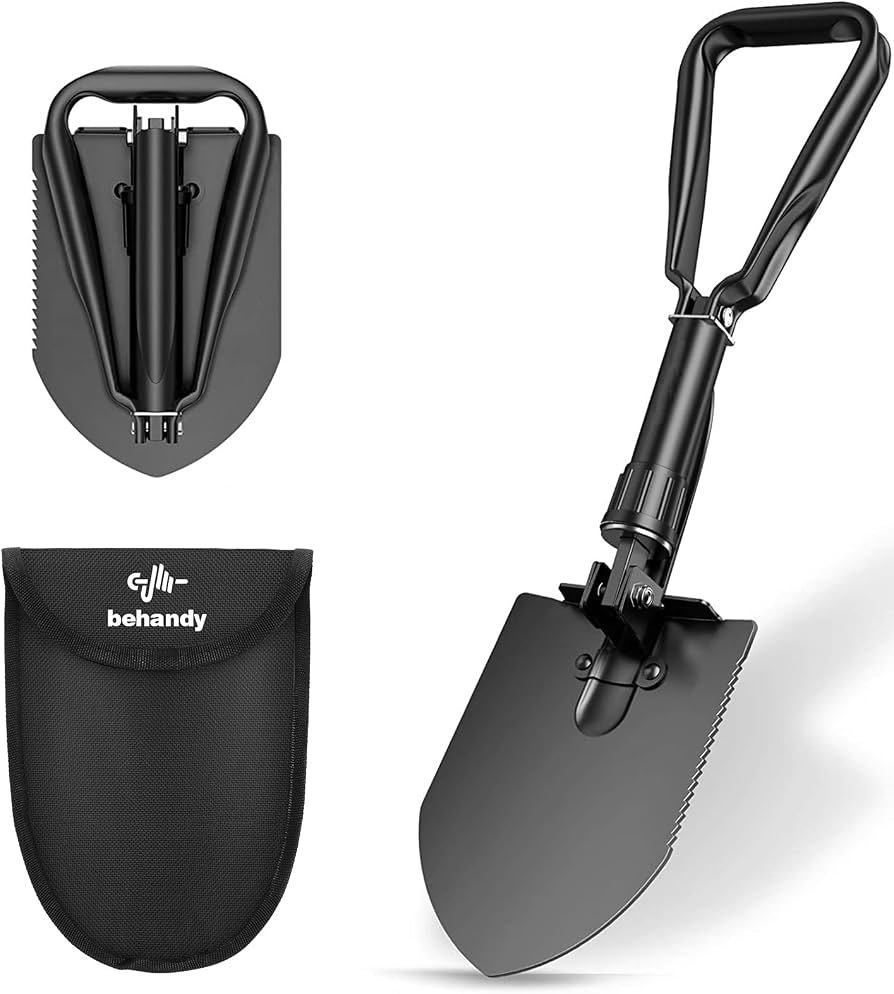
A folding shovel is a compact digging tool with a blade and handle that fold into a smaller shape for easy storage. People use it for camping, off-road travel, gardening, survival kits, and emergency vehicle prep. The main appeal is simple: it gives you real digging power without taking up much space.
Most folding shovels are made from steel or aluminum, with a hinge or locking joint that lets the blade fold against the handle. Some models also switch between shovel, pick, and hoe positions. That versatility makes the folding shovel more than just a tiny spade. It becomes a pocket-size problem solver.
The key is to treat it like a real tool, not a toy. A folding shovel can dig, scrape, cut roots, clear snow, and move loose soil, but it works best when you know its limits. In my experience, people get into trouble when they use too much force on a loose lock or try to pry with a blade that was meant for digging.
How to use a folding shovel the right way
Using a folding shovel is easier when you break the job into simple steps. The goal is to set it up firmly, keep your body balanced, and use the blade in a way that matches the ground. When you do that, the shovel feels much more stable and the job goes faster.
1. Check the shovel before opening it
Before you dig, inspect the folding shovel for damage. Make sure the hinge moves smoothly and the locking mechanism clicks into place. If the blade is bent, loose, or rusty, it may not be safe to use.
A quick check only takes a few seconds, but it can save you from a bad surprise. I once rushed this step on a campsite cleanup job and learned the hard way that a sticky hinge can make the whole tool feel unsafe. Since then, I always check the lock first.
2. Open and lock it fully
Unfold the handle and blade until the shovel is fully extended. Then lock it into the working position. You should feel or hear a solid lock, depending on the design.
Never use a folding shovel if the lock is not secure. A half-locked shovel can collapse under pressure and pinch your hand. That is one of the most common mistakes people make with a folding shovel.
3. Plant the blade at the right angle
Hold the handle with both hands if possible and set the blade at a slight angle into the ground. A shallow angle helps the blade cut into soil instead of bouncing off it. For harder dirt, start by breaking the surface with the corner or edge of the blade.
Think of it like slicing bread instead of smashing it. The shovel moves better when you let the edge work with the soil. That small change often makes the folding shovel feel stronger than people expect.
4. Use short, steady strokes
Push down with your body weight, then lift and clear the soil in small loads. Short strokes are usually better than big aggressive swings. This gives you more control and reduces stress on the hinge.
If the ground is soft, the folding shovel can move dirt quickly. If the soil is packed, take smaller bites. On rocky ground, use the blade to loosen material first instead of trying to force it through everything at once.
5. Use the shovel in the right position for the job
Many folding shovel models can change position. Some fold into a hoe shape, and some have a pick edge for breaking ground. If your tool offers these modes, use them the way the maker intended.
Common uses include:
• Digging a fire pit or latrine hole while camping
• Clearing mud from tire tracks
• Removing snow from around a tire
• Cutting shallow roots in garden soil
• Scooping sand or loose dirt into a pile
Using the right mode keeps the folding shovel efficient and helps reduce wear.
6. Stay balanced while digging
Keep your feet apart and your knees slightly bent. Do not lean too far forward, because that can throw off your balance. A stable stance gives you better leverage and protects your lower back.
This matters more than people think. A folding shovel is small, so users sometimes hunch over to compensate. That usually leads to faster fatigue and sloppy digging. A better stance makes the work feel lighter.
7. Clear the blade often
Soil, mud, and clay can stick to the blade and make digging harder. Knock off buildup often so the folding shovel keeps cutting cleanly. A clean blade also folds more safely after use.
If you are working in wet clay or snow, this step matters even more. I have seen a shovel go from useful to frustrating in under a minute just because the blade was packed full. A quick tap against a rock or boot edge can restore performance.
8. Fold it carefully after use
When the job is done, clean off dirt and dry the tool if needed. Unlock the blade and fold the shovel slowly so your fingers stay clear of the hinge. Store it in its pouch or case if it came with one.
Do not toss it loose into a bag if the edges are sharp. A folding shovel should be stored in a way that protects both the tool and everything around it. That small bit of care helps the tool last longer.

Best uses for a folding shovel
A folding shovel is useful in more places than people expect. It shines in situations where portability matters and the digging task is moderate, not massive. That makes it a favorite for hikers, drivers, campers, and emergency kits.
Here are some practical uses:
• Camping: Digging fire pits, drainage lines, or tent platform spots
• Vehicle emergencies: Clearing snow, mud, or sand from around tires
• Gardening: Moving soil, mixing compost, or removing small roots
• Outdoor survival: Building shelters, digging trenches, or preparing a safe toilet area
• Beach or trail work: Scooping sand and clearing loose debris
A folding shovel is not a full-size landscaping tool. But for small to medium jobs, it can be a lifesaver. That balance of size and usefulness is why it stays in so many gear bags.
What to avoid when using a folding shovel
A folding shovel is simple, but a few mistakes can shorten its life or cause injury. The biggest issue is using it outside its design limits. If you try to pry big rocks or chop hard frozen ground nonstop, the hinge may fail or the handle may bend.
Avoid these common mistakes:
• Using the shovel without fully locking it
• Forcing the blade into thick roots or stones
• Gripping too close to the hinge
• Leaving dirt on the blade after use
• Storing it wet, which can lead to rust
• Using it as a pry bar unless the maker says it is built for that
It also helps to match the tool to the soil. A folding shovel is great for loose dirt, sand, and light clay. It is much less effective in dense, rocky ground unless you work slowly and use the right technique.
How to choose the right folding shovel
Not all folding shovels are the same. Some are built for travel, while others are made for heavy-duty outdoor work. The best one depends on how you plan to use it.
Look for these features:
• Strong locking mechanism for safety
• Durable blade material, such as hardened steel
• Comfortable grip that reduces hand strain
• Compact folded size for easy storage
• Multi-function design if you want a shovel, pick, and hoe in one tool
• Corrosion resistance for wet or salty environments
If you want a folding shovel for emergency use, reliability matters more than extra features. If you want one for camping, portability and versatility may matter more. The best choice is the one that fits your real needs, not just the one with the most buttons or attachments.
Maintenance tips that keep a folding shovel working longer
A folding shovel can last a long time if you take care of it. Basic maintenance is simple and usually takes less than five minutes. That small effort makes a huge difference in rust control and hinge life.
Use these habits:
• Rinse off mud after use
• Dry the blade before storage
• Add a light coat of oil to the hinge if needed
• Check screws and locks before each trip
• Store it in a dry pouch or toolbox
• Sharpen the edge lightly if the design allows it
I have found that tools fail more from neglect than from actual hard use. A folding shovel that is cleaned, dried, and stored well often stays dependable for years. That is especially true if you use it in rain, snow, or salt air.
Safety tips for using a folding shovel
Safety should stay at the center of every dig. A folding shovel looks harmless, but the blade can cut skin and the hinge can pinch fingers fast. A careful setup is always worth the extra few seconds.
Keep these safety tips in mind:
• Wear gloves for better grip and hand protection
• Keep fingers away from the hinge
• Dig away from your legs and feet
• Use steady pressure instead of sudden force
• Watch for buried wires, pipes, or sharp objects
• Never leave the shovel open where children can reach it
If the ground may hide utility lines, call before you dig. That advice is not just for big projects. Even a small trench or post hole can cause trouble if you hit something buried.
Frequently Asked Questions of How to use a folding shovel
How do you open a folding shovel safely?
Open the shovel slowly and make sure your fingers stay clear of the hinge. Once the blade is fully extended, lock it firmly before applying pressure.
Can a folding shovel cut roots?
Yes, it can cut small roots and thin plant matter, especially if the blade edge is sharp and the root is not too thick. For larger roots, use a saw or pruning tool instead of forcing the shovel.
Is a folding shovel good for hard soil?
It can work on hard soil, but you may need to break the top layer first with the corner or pick side. If the ground is very rocky or frozen, a full-size shovel or digging tool may be better.
How do you clean a folding shovel after use?
Remove dirt with water, wipe the blade dry, and let the hinge dry fully before storage. If the shovel has metal parts, a light oil on the hinge can help prevent rust.
What is the best way to carry a folding shovel?
Carry it folded and secured in a pouch, backpack pocket, or vehicle kit compartment. Keep the blade covered if possible so it does not damage other gear or scratch your hands.
Conclusion
Knowing how to use a folding shovel well comes down to a few simple habits: lock it properly, dig with control, use the right angle, and clean it after the job. When you treat it with care, this small tool becomes surprisingly useful for camping, travel, gardening, and emergencies.
If you plan to buy one or already keep one in your gear, take a few minutes to practice with it before you need it in a hurry. That little bit of preparation can make the difference between a frustrating task and a smooth one. Explore more outdoor gear tips, share your own folding shovel experience, or leave a comment with the job you use yours for most.