Hand Mixer Not Working
When your trusty electric hand mixer suddenly refuses to whir to life, it's frustrating. Baking plans can go sideways in an instant, leaving you wondering what went wrong. A hand mixer not working is a common kitchen hiccup, but usually, the fix is simpler than you think.
Often, the issue stems from something basic that's easily overlooked. For instance, our research indicates that even high-quality appliances, like those designed to meet UL safety standards, can be sidelined by simple power interruptions or minor component issues. We'll walk you through the most likely culprits.
Quick Answer
If your hand mixer isn't working, start by checking the power outlet. Ensure the mixer's cord is securely plugged in. If it's still unresponsive, inspect the cord for damage and try a different outlet.
Overheating can also cause a temporary shutdown; look for a reset button or allow it to cool.
Hand Mixer Won't Turn On? Let's Figure It Out
That moment of dread when you plug in your hand mixer and… nothing happens. It's a familiar frustration for many home bakers. Before you start thinking about a costly replacement or an inconvenient trip to the store, let's troubleshoot.
Most of the time, a dead hand mixer is a simple fix.
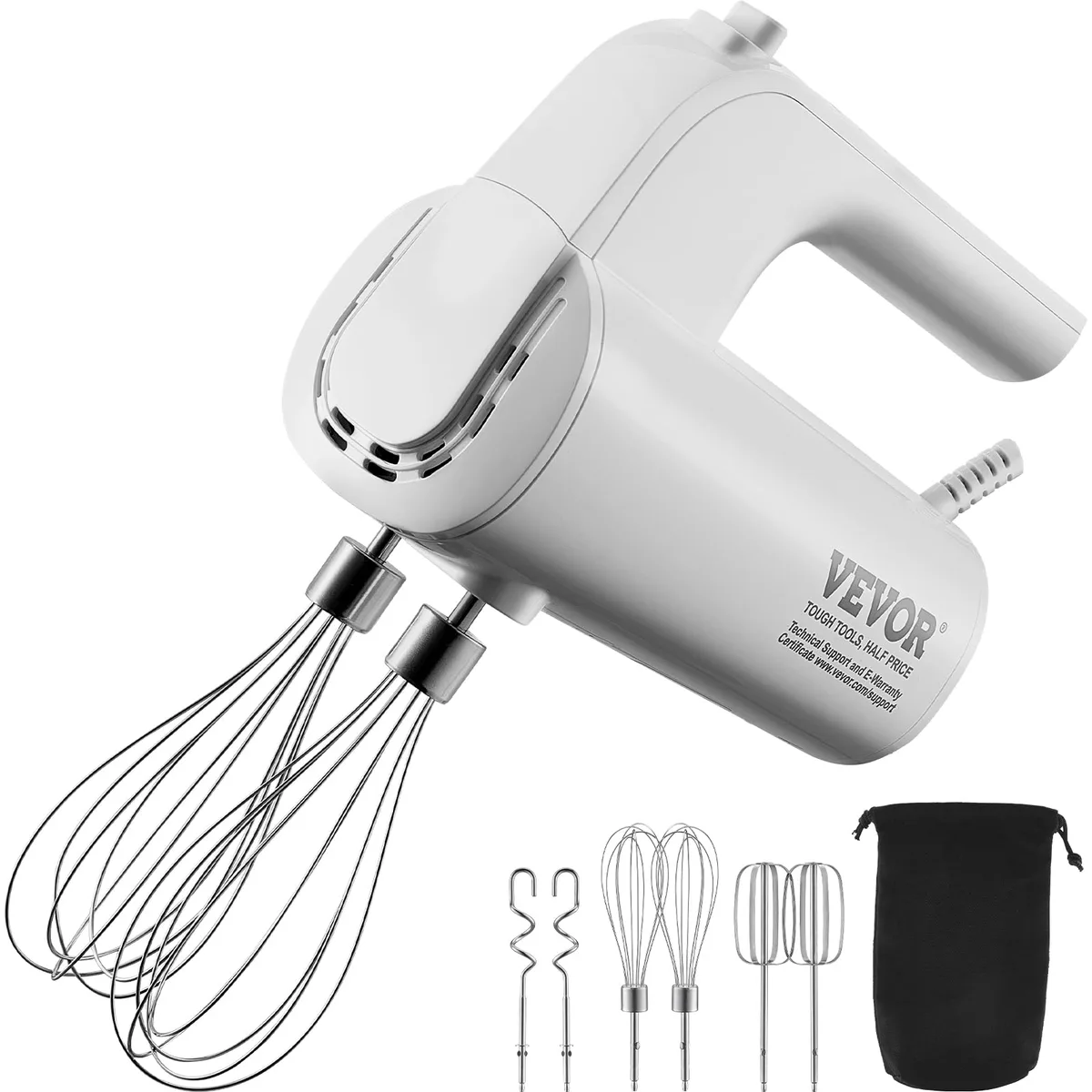
Image source: Bing (Web (fair-use with source credit))
This guide breaks down the most common reasons your kitchen companion might be silent. We’ll start with the easiest things to check and move towards more involved diagnostics. Our goal is to get you back to whipping cream and mixing batters as quickly as possible.
Quick Fixes: Is It Plugged In & Simple Checks
Let’s get straight to it. The most frequent reason a hand mixer won't work is the simplest: it's not getting power. Before you blame the mixer itself, do a quick check of the basics.
This involves verifying the power source and the mixer’s connection to it.
- Check the Outlet: Is the outlet you're using functional? Plug in another small appliance, like a toaster or a lamp, to confirm the outlet has power. If the outlet is dead, try a different one. This step alone solves many "dead appliance" problems.
- Verify the Plug: Make sure the hand mixer's plug is fully seated in the outlet. Sometimes, cords can slip out partially, especially if they're old or the outlet is loose. A firm push is all that’s needed.
- Look for a GFCI Reset: If you’re using an outlet in the kitchen or near water, it might be a Ground Fault Circuit Interrupter (GFCI) outlet. These have a "Test" and "Reset" button. If the mixer stops working unexpectedly, pressing the "Reset" button might restore power.
These initial checks might seem obvious, but they are crucial first steps. Many appliance issues are resolved right here, saving you time and hassle. If these don't do the trick, we’ll move on to the next layer of troubleshooting.
What's Really Going On Inside Your Mixer?
To understand why your hand mixer might be acting up, it helps to know a little about how it works. At its heart, a hand mixer is a fairly simple electrical device. It uses a motor to spin attachments, typically beaters, at various speeds to mix ingredients.
Understanding the Motor and Beater Mechanism
The motor is the powerhouse. When you flip the switch, it draws electricity from the wall socket, which then energizes the motor. This motor is connected to a gear system that transfers its rotational power to the slots where you insert the beaters or other attachments.
The speed settings essentially control how fast the motor spins.
Image source: Bing (Web (fair-use with source credit))
Most hand mixers today are designed with cooling vents to prevent the motor from overheating during prolonged use. Some models also have safety features, like automatic shut-offs if the motor gets too hot or if the beater mechanism jams. Understanding these components helps in diagnosing why it might not be working.
Why Your Mixer Might Not Be Spinning
If the mixer is plugged in but the beaters aren't spinning, or the unit won’t turn on at all, the problem could be with the motor itself, the internal wiring, the speed control mechanism, or even the attachments themselves if they're not properly seated. A burnt smell often indicates the motor has been stressed or has failed. Sometimes, a jammed mechanism can prevent the motor from engaging.
Step-by-Step Troubleshooting: From Outlet to Motor
Alright, we've confirmed the power is on and the plug is seated. If your hand mixer is still stubbornly silent or its beaters refuse to spin, it's time for a more detailed diagnostic. We'll go through a logical sequence of checks to pinpoint the issue.
This approach helps you systematically rule out problems.
1. The Power Source: Is the Outlet Working?
This might sound repetitive, but it's worth re-emphasizing. Not all outlets are created equal, and sometimes circuits trip without obvious reason.
- Test with Another Device: Grab a different small appliance you know works, like a toaster or a lamp. Plug it into the exact same outlet you were using for the mixer.
- Observe the Results: If the second device also doesn't get power, the issue is with the outlet or the circuit breaker for that area. Check your home’s electrical panel for a tripped breaker and reset it if necessary. If the second device does work, the problem is definitely with the hand mixer.
2. Checking the Cord and Connections
The power cord is the lifeline between your mixer and the wall socket. Damage here can completely disable the appliance.
Image source: Bing (Web (fair-use with source credit))
- Visual Inspection: Carefully examine the entire length of the power cord. Look for any signs of fraying, cuts, kinks, or exposed wires. Pay close attention to where the cord enters the mixer's housing and where it plugs into the wall.
- Check for Firmness: Ensure the cord feels securely attached to the mixer. If it feels loose or wobbly at the base, this could be the source of the problem. Sometimes, internal wire connections can break.
If you find any visible damage to the cord, it's a significant safety hazard. In such cases, operating the mixer is not recommended. The cord would need professional repair or replacement, which is often more expensive than a new mixer.
If the cord looks fine, proceed to the next step.
3. Inspecting the Beaters and Housing
The beaters are what do the actual mixing, and they need to be installed correctly for the mixer to function. The housing also plays a role in the mixer's operation and can sometimes hide a problem.
- Beater Seating: Remove the beaters entirely. Make sure they are clean and free of any hardened batter or debris that might be preventing them from seating properly. Reinsert them firmly into their respective slots, ensuring they click into place. Some mixers won't start if the beaters aren't correctly installed.
- Housing Obstructions: Check around the base of the beaters where they meet the mixer body. Sometimes, small bits of food or debris can get lodged in the mechanism, preventing movement. Also, look at the air vents on the mixer's housing. Blocked vents can lead to overheating, which we’ll discuss next.
4. Listening to the Motor's Hum (or Silence)
This step involves using your ears. When you try to turn the mixer on, even if nothing else happens, listen carefully.
- The Sound of a Motor: If you hear a faint humming noise from the mixer’s motor when you press the power button, but the beaters still don't spin, it suggests the motor is receiving power but something is preventing the rotational force from reaching the beaters. This could be a gearbox issue or a problem with the beater drive mechanism.
- Complete Silence: If you hear absolutely no sound whatsoever, even with a confirmed working outlet and a visibly undamaged cord, the motor itself might have failed, or there's a break in the internal wiring leading to the motor. This is a more serious internal fault.
5. Overheating and Reset Buttons
Many modern hand mixers have built-in thermal protection to prevent damage from overheating. If you've been using the mixer for an extended period, especially on a high speed or with thick batter, it might have shut down to cool off.
- Allow Cooling Time: Unplug the mixer and let it sit for at least 15-30 minutes. Check for any vents on the housing; ensure they are clear of obstructions like dust or dried food.
- Look for a Reset Button: Some models feature a small, recessed reset button, often located near the power cord or on the base. You might need a paperclip or a pen tip to press it. Consult your hand mixer manufacturer's manual for the exact location and procedure. If you find one, press it firmly and try powering the mixer on again after it has cooled.
Even if your mixer isn't showing any of these immediate signs, it's good practice to ensure the vents are clear. A clogged vent can lead to overheating that might not be immediately obvious but could cause intermittent problems or premature motor wear. Keeping these clean is part of routine maintenance, which can prevent many issues before they start.
When to Stop Troubleshooting: Signs of a Deeper Issue
We've covered the most common, user-fixable problems for a hand mixer that won't turn on or spin. If you've gone through all the previous steps, checked the outlet, inspected the cord, ensured beaters are seated, listened for motor sounds, and allowed for cooling, and your mixer remains unresponsive, it’s likely time to consider that the issue is beyond simple DIY repair.
Several indicators suggest the problem might be internal and more serious. These aren't typically things you can fix with a paperclip or a cleaning cloth.
- Persistent Burnt Smell: If you detect a distinct burnt electrical smell, especially after trying to power it on, this strongly points to a fried motor or damaged internal wiring. This smell is a clear warning sign that the appliance is not safe to use and likely irreparable for a home user.
- Visible Damage to Internal Components: While we recommended not disassembling the mixer beyond removing the beaters, if you happen to see any scorch marks on internal plastic parts near the motor housing, or if wires appear obviously broken or melted, it's a sign of internal failure.
- No Response After All Checks: If you’ve systematically tested every external factor and the mixer still shows zero signs of life, no hum, no lights, no movement, it’s highly probable that a critical internal component, like the motor or a primary circuit board (if present), has failed.
- Grinding or Loud Unpleasant Noises: Beyond a simple hum or lack of sound, if the mixer makes loud grinding, squealing, or other unusual mechanical noises when you try to power it on (and it does power on at all), it indicates a significant mechanical issue, perhaps with the gearbox or motor bearings.
For most affordable hand mixers, the cost of professional repair, which would involve specialized tools and parts, often approaches or exceeds the price of a new unit. Many manufacturers offer warranties, usually for one to two years, so checking your warranty status is a good idea before deciding to replace it. You can find specific warranty details on the manufacturer's website.
If the warranty is expired, it’s often more economical to purchase a new hand mixer. When shopping for a replacement, consider features that might prevent future issues, such as good ventilation and durable construction, much like selecting a powerful hand mixer that can handle tougher tasks without overheating.
FAQs About a Non-Working Hand Mixer
What's the first thing I should check if my hand mixer won't turn on?
The very first thing to check is the power outlet. Make sure it's working by plugging in another small appliance, like a lamp or phone charger.
Why might my hand mixer's beaters not be spinning, even if it turns on?
This could be due to the beaters not being properly seated in their slots, a problem with the internal gear mechanism that drives them, or an obstruction preventing them from moving.
Can a hand mixer overheat and stop working?
Yes, many hand mixers have a thermal cutoff feature that will shut the motor down if it gets too hot. Unplugging it and letting it cool for 15-30 minutes, ensuring vents are clear, can often resolve this. Some models also have a manual reset button.
Is it safe to try and fix a hand mixer myself?
For basic checks like verifying power and cleaning, yes. However, if the issue involves internal wiring, the motor, or a burnt smell, it's generally not safe or cost-effective to attempt DIY repairs.
How long should a hand mixer last?
With proper care and maintenance, a good quality hand mixer can last many years, often 5 to 10 years or more. However, this depends heavily on usage frequency and the brand's build quality. For example, a robust model might be a better investment if you bake frequently, similar to how choosing a reliable baking scale contributes to consistent results.
Know When to Repair or Replace Your Mixer
Deciding whether to repair or replace a non-working hand mixer often comes down to a few key factors: the age of the mixer, its original cost, the nature of the problem, and your own comfort level with potential repairs. As discussed, many common issues are often simple fixes, but more complex internal failures can present a dilemma.
If your hand mixer is relatively new, perhaps still under warranty, contacting the manufacturer for repair or replacement is the logical first step. You can usually find warranty information in the user manual or on the brand’s official website. This is particularly true for more advanced models, like those with multiple attachments or special features, which can be found in guides to hand mixers with attachments.
However, if the mixer is several years old and the problem appears to be a motor failure or significant internal damage (indicated by a burnt smell or loud mechanical noises), the cost of professional repair often makes it uneconomical. For many budget-friendly hand mixers, the price of a new unit can be less than what a repair service would charge. In these situations, it's often more practical to invest in a new appliance.
When shopping for a replacement, consider features that might prevent future issues, such as good ventilation and durable construction, much like selecting a powerful hand mixer that can handle tougher tasks without overheating.