Toaster Oven vs Conventional Oven
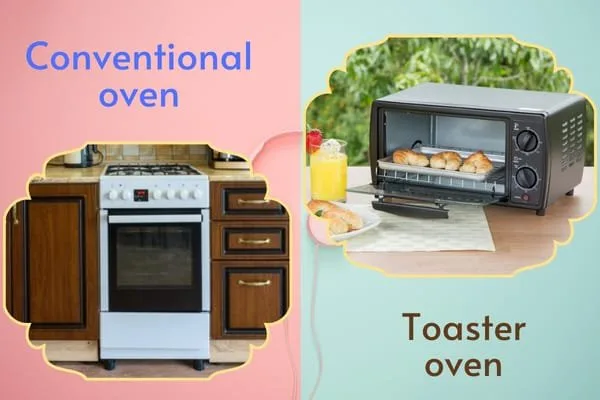
Image source: Bing (Web (fair-use with source credit))
Deciding between a toaster oven and a conventional oven can feel like a tough choice, especially when kitchen space or budget is a factor. Both appliances cook food, but they do it very differently, making one a better fit for certain tasks and lifestyles than the other.
Understanding the core strengths of each will help you pinpoint the perfect tool for your kitchen. For instance, manufacturer specifications often show toaster ovens preheating in under 10 minutes, while a full-size conventional oven might take 15 minutes or more. This speed difference is a major clue for everyday use.
Quick Answer: Which One Fits Your Kitchen?
A toaster oven is best for quick heating, small batches, and snacks, while a conventional oven excels at large meals and consistent baking. If you cook often for one or two, a toaster oven might suffice. For families or serious bakers, a conventional oven remains essential.
Toaster Oven: Your Countertop Powerhouse Explained
A toaster oven is essentially a compact, countertop version of a conventional oven. It uses heating elements, usually at the top and bottom, to bake, broil, and toast. They come in a surprising range of sizes and features, from basic models that just toast and bake to more advanced ones with convection fans and digital controls.
Their main appeal is speed and efficiency for smaller cooking jobs.
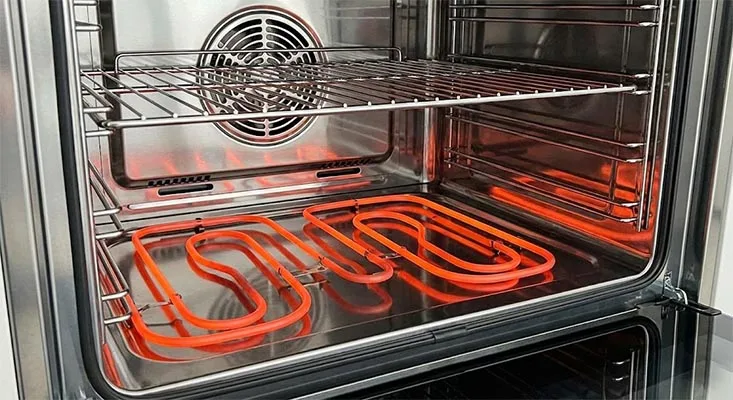
Toaster Oven Features & What They Do
These versatile appliances pack a lot of punch into a small package. Most toaster ovens offer several cooking functions, typically including toasting, baking, and broiling. Many modern units also feature a convection setting, which uses a fan to circulate hot air for faster, more even cooking, much like a conventional oven's convection mode.
Temperature dials or digital displays allow you to set precise heat levels, usually ranging from around 150°F up to 450°F, depending on the model. Timers are standard, ensuring your food doesn't overcook, and interior lights help you keep an eye on progress.
Toaster Oven Use Cases: Beyond Just Toasting
While the name suggests toasting is its primary job, a toaster oven is far more capable. It's fantastic for reheating leftovers, think crispy pizza slices or fries that lose their crunch in a microwave. Small-batch baking, like a few cookies or a single serving of a casserole, is perfectly suited for a toaster oven.
It can also handle quick snacks like grilled cheese sandwiches or personal pizzas. For those needing extra oven space during holidays or large gatherings, a toaster oven acts as a helpful second oven. If you're looking for an appliance that’s energy-efficient for smaller tasks, a toaster oven is a strong contender.
Conventional Oven: The Heart of the Kitchen
The conventional oven, often called a full-size oven, is the traditional workhorse of most home kitchens. These are typically built into cabinetry or come as part of a range unit. They offer a large interior space designed to cook multiple dishes simultaneously or accommodate large roasts and baking pans.
Their primary function is consistent, even heating across a broad temperature range, making them indispensable for serious baking and complex meal preparation.
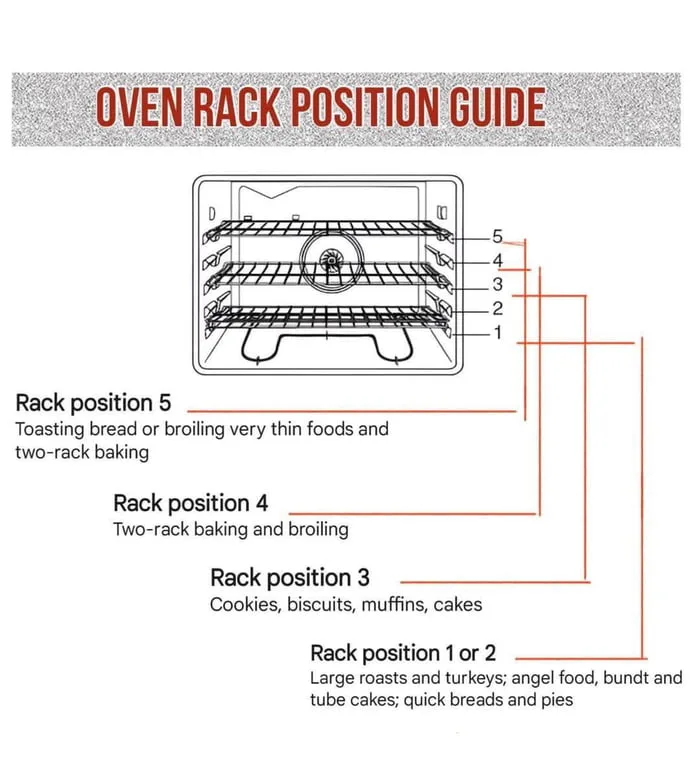
Conventional Oven Features & What They Do
Conventional ovens are engineered for serious cooking and baking. They feature robust heating elements, usually one at the top (for broiling) and one at the bottom (for baking), that provide consistent heat. Many models include a convection fan option, which circulates hot air for quicker cooking and more even browning.
Digital controls offer precise temperature selection, often from 100°F up to 550°F, with advanced features like self-cleaning cycles, Sabbath modes, and warming drawers. The ample interior space, measured in cubic feet, allows for multiple racks and large cookware, accommodating everything from holiday turkeys to multiple trays of cookies.
Conventional Oven Use Cases: Big Meals & Baking Dreams
A conventional oven is your go-to for anything that requires significant space or precise, sustained heat. This includes roasting large cuts of meat like whole chickens or beef roasts, baking multiple trays of cookies or pastries simultaneously for parties, or preparing layered cakes. Recipes calling for long, slow cooking, such as braising or slow-roasting, are best handled by a conventional oven due to its temperature stability.
It’s also essential for any recipe that demands a large, consistent cooking environment, making it the primary tool for family dinners and dedicated bakers. For those who entertain frequently, its capacity is unmatched.
Toaster Oven vs. Conventional Oven: Side-by-Side
When you stack a toaster oven against a conventional oven, the differences become very clear. A toaster oven is a compact appliance that heats up quickly, perfect for reheating, small snacks, or cooking a single chicken breast. A conventional oven is a large, built-in or freestanding unit that takes longer to preheat but offers much more space for cooking big meals or multiple items at once.
The choice often hinges on the quantity and type of food you prepare regularly.
Key Differences: Capacity, Speed, and Energy
The most obvious difference is size. Toaster ovens typically have capacities ranging from about 0.3 to 1.0 cubic feet, suitable for a small pizza or a few slices of toast. Conventional ovens, on the other hand, boast interior volumes of 4.0 cubic feet and more, easily fitting a Thanksgiving turkey or several baking sheets.
This size difference directly impacts preheat times: a toaster oven can be ready in minutes, while a conventional oven might need 10-20 minutes. Consequently, for small tasks, toaster ovens are generally more energy-efficient because they use less power to heat a smaller space. Manufacturer specifications for many standard conventional ovens confirm energy consumption rates can be significantly higher for equivalent heating tasks compared to countertop models.
Who Needs What? Matching Ovens to Your Cooking Style
Your decision between a toaster oven and a conventional oven really boils down to how you cook. If you're often reheating small portions or making quick snacks, a toaster oven is a smart, efficient choice. For those who regularly bake cakes, roast large meats, or prepare meals for a crowd, a conventional oven is likely your main requirement.
Many households find having both offers the best of both worlds.
Ideal Scenarios for a Toaster Oven
A toaster oven shines when you prioritize speed and efficiency for smaller tasks. Think of reheating a single slice of pizza for lunch or toasting bagels for breakfast. It’s also perfect for roasting a couple of chicken tenders or baking a small batch of cookies without heating up a large appliance.
If you live in a small apartment or have limited kitchen space, a compact toaster oven can serve as your primary cooking appliance. It’s also ideal for dorm rooms where full ovens aren't permitted.
Ideal Scenarios for a Conventional Oven
The conventional oven is irreplaceable for larger cooking projects and consistent baking. If you bake elaborate cakes, make multiple batches of cookies for a school bake sale, or host holiday dinners with multiple dishes, this is your essential appliance. Its consistent temperature regulation is crucial for delicate pastries and breads.
Roasting a whole turkey or a large ham is only feasible in a conventional oven due to its size. For anyone who entertains frequently or whose recipes demand a large, stable cooking environment, the conventional oven is non-negotiable.
When Both Are the Smart Choice
For many home cooks, the ultimate setup involves having both a toaster oven and a conventional oven. This combination offers maximum flexibility. You can use the toaster oven for quick reheating or toasting, keeping your large conventional oven free for baking or roasting.
During busy holiday seasons, the toaster oven can act as a valuable secondary oven, allowing you to cook multiple dishes simultaneously. This approach saves time and energy by using the right tool for each specific job, avoiding the inefficiency of heating a large oven for a small task.
Common Mistakes to Avoid When Choosing
One common mistake is assuming a toaster oven can fully replace a conventional oven, especially if you're a keen baker or cook for more than two people. Another error is overlooking the importance of features like convection fans, which significantly improve a toaster oven's performance for baking and roasting. Some people also choose a toaster oven that's too small for their needs, only to find it can't accommodate even moderately sized dishes.
On the flip side, underestimating how often you'll use a conventional oven for quick tasks can lead to unnecessary energy use.
Price, Size, and Specs: What to Expect
Toaster ovens generally range in price from $30 for basic models to $300 or more for high-end units with advanced features like air frying and precise digital controls. Their physical footprint is also a major consideration; most are designed to sit on a countertop, with dimensions typically between 12-20 inches wide. Conventional ovens are a larger investment, with freestanding ranges costing anywhere from $500 to $2,000 or more, and built-in models often costing even higher.
Their dimensions are standardized, usually around 30 inches wide for a freestanding unit, with significant depth and height.
As of 2026, the market offers a wide array of options in both categories, from budget-friendly choices to premium appliances. When comparing, look at the total interior volume (cubic feet for conventional, liters for toaster ovens) and the wattage, which indicates heating power. For instance, a 1500-watt toaster oven will generally heat faster and more intensely than a 1000-watt model.
Frequently Asked Questions
How long does it take for a toaster oven to preheat?
Most toaster ovens preheat quite quickly, often in under 10 minutes, and sometimes as fast as 3-5 minutes for basic models. This is significantly faster than a conventional oven, which can take 15-20 minutes.
Can a toaster oven replace my conventional oven entirely?
For small households or individuals who primarily reheat, toast, or cook small batches, a toaster oven might be sufficient. However, for large families, serious baking, or cooking large items like turkeys, a conventional oven is still necessary.
Is a toaster oven more energy-efficient?
Yes, for small tasks, a toaster oven is generally more energy-efficient than a conventional oven because it heats a much smaller space and its heating elements are closer to the food. Heating a large conventional oven for a single serving would be quite wasteful.
What is the difference in cooking performance?
Conventional ovens, especially those with convection, tend to offer more even and consistent heat distribution across their larger interior, which is crucial for delicate baking. Toaster ovens can sometimes have hotter spots, though higher-end models with convection fans greatly improve evenness.
What are the typical dimensions of each appliance?
Toaster ovens are designed for countertops and vary, but a common size might be around 16-20 inches wide, 10-15 inches deep, and 8-12 inches high. Conventional ovens are much larger, typically around 30 inches wide for a freestanding unit, with significant depth and height.
Making Your Decision: Final Verdict
Choosing between a toaster oven and a conventional oven depends entirely on your cooking habits and kitchen setup. If your primary needs involve quick snacks, reheating leftovers, or cooking small portions efficiently, a toaster oven is an excellent, space-saving, and energy-conscious option. It’s a fantastic secondary appliance or even a primary one for singles or couples.
However, if you're a passionate baker, frequently cook for a family, or entertain guests, a conventional oven's larger capacity and consistent performance are indispensable. For those who want the best of both worlds and have the space, investing in both appliances provides unmatched versatility for every culinary task. You can efficiently handle small jobs with the toaster oven while reserving the large oven for bigger, more complex cooking endeavors.




3 Comments