Drip Coffee Maker vs Single Serve
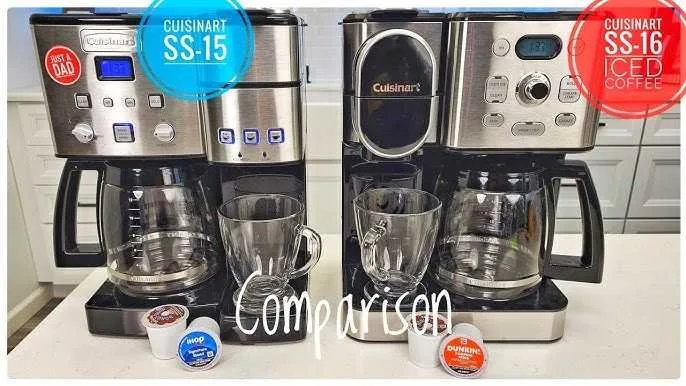
Image source: Bing (Web (fair-use with source credit))
Drip Coffee Maker vs. Single Serve: Which Brewer is Your Morning Match?
Trying to figure out the best coffee maker for your kitchen can feel like a quest. You want that perfect cup without the fuss, but standing in front of the appliance aisle, it’s easy to get lost in the options. The big showdown often comes down to the classic drip coffee maker versus the quick and convenient single-serve brewer.
Our research shows that the choice really hinges on your daily routine, how much coffee you drink, and what you value most: volume and flexibility, or speed and individual servings. For instance, a standard 12-cup drip coffee maker from a reputable brand typically brews its full capacity in about 7 to 10 minutes, adhering to internal safety standards for heating elements. Let's break down which machine might be your ideal morning companion.
Quick Answer
A drip coffee maker is best for brewing multiple cups and offers greater coffee variety. A single-serve brewer excels at speed and convenience for individual cups.
The Classic Drip Coffee Maker: Brewing for the Crowd
The drip coffee maker is the undisputed veteran of home coffee brewing. It’s the machine most of us grew up with, reliably churning out pot after pot. Its strength lies in its simplicity and its ability to serve multiple people, making it a staple in many households and offices.
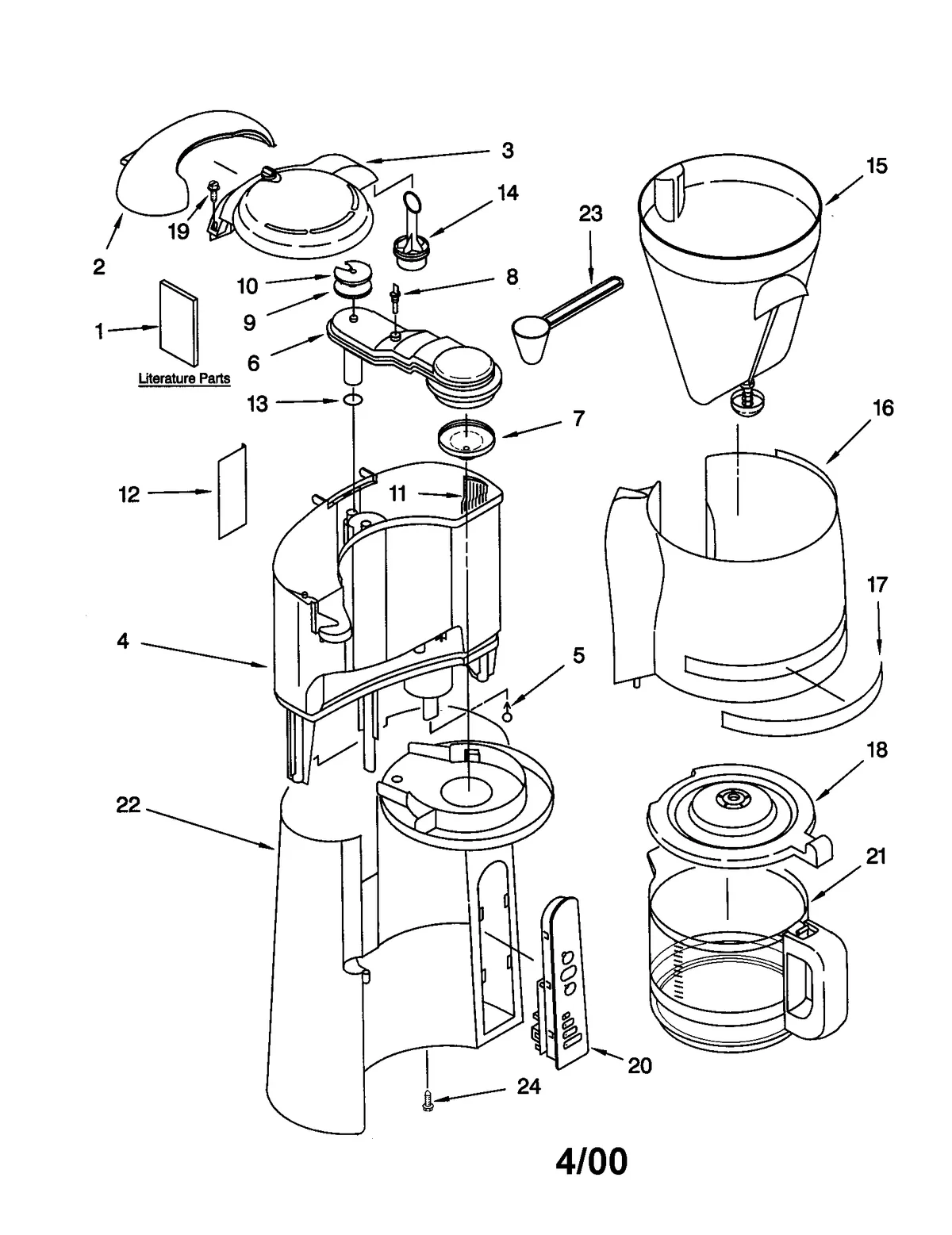
Image source: Bing (Web (fair-use with source credit))
Drip Coffee Maker: Features, Benefits, and Drawbacks
A typical drip coffee maker consists of a water reservoir, a heating element, a filter basket for coffee grounds, and a carafe to collect the brewed coffee. Many models also include a warming plate to keep the coffee hot after brewing. As of 2026, manufacturers continue to refine features like programmable timers and brew strength settings, but the core functionality remains the same.
Key Features & Benefits:
- Volume Brewing: This is the primary advantage. Most drip machines brew 8, 10, or 12 cups at a time, perfect for mornings with multiple coffee drinkers or when hosting guests. You can find models designed for even larger capacities if needed for entertaining.
- Cost-Effective: The initial purchase price of a drip coffee maker is often lower than many single-serve machines. Furthermore, buying ground coffee in bulk is generally more economical per cup compared to individual pods or capsules.
- Coffee Variety: You are not limited to specific brands or types of coffee. You can use any ground coffee beans you like, from premium single-origin roasts to your favorite everyday blend, allowing for great flexibility and experimentation.
- Simple Operation: For the most part, operating a drip coffee maker is straightforward: add water to the reservoir, place a filter in the basket, add coffee grounds, and press start.
Potential Drawbacks:
- Brewing Time: While not excessively long, brewing a full pot takes around 5 to 10 minutes. If you're in a rush and need a single cup immediately, this can feel slow.
- Stale Coffee: If you only drink one or two cups from a full pot, the remaining coffee can sit on the warming plate, potentially degrading its flavor over time and making it taste bitter or stale.
- Cleaning: You have more parts to clean regularly, including the carafe, the filter basket, and sometimes the showerhead that dispenses water. This requires a bit more effort than simply discarding a pod.
- Space: Some carafe-style drip coffee makers can take up a significant amount of counter space.
The Speedy Single-Serve Brewer: Crafting a Single Cup
Single-serve coffee brewers have revolutionized quick coffee breaks. These machines use pre-portioned pods or capsules to brew a single cup of coffee on demand, offering unparalleled convenience for individuals or households with diverse coffee preferences.
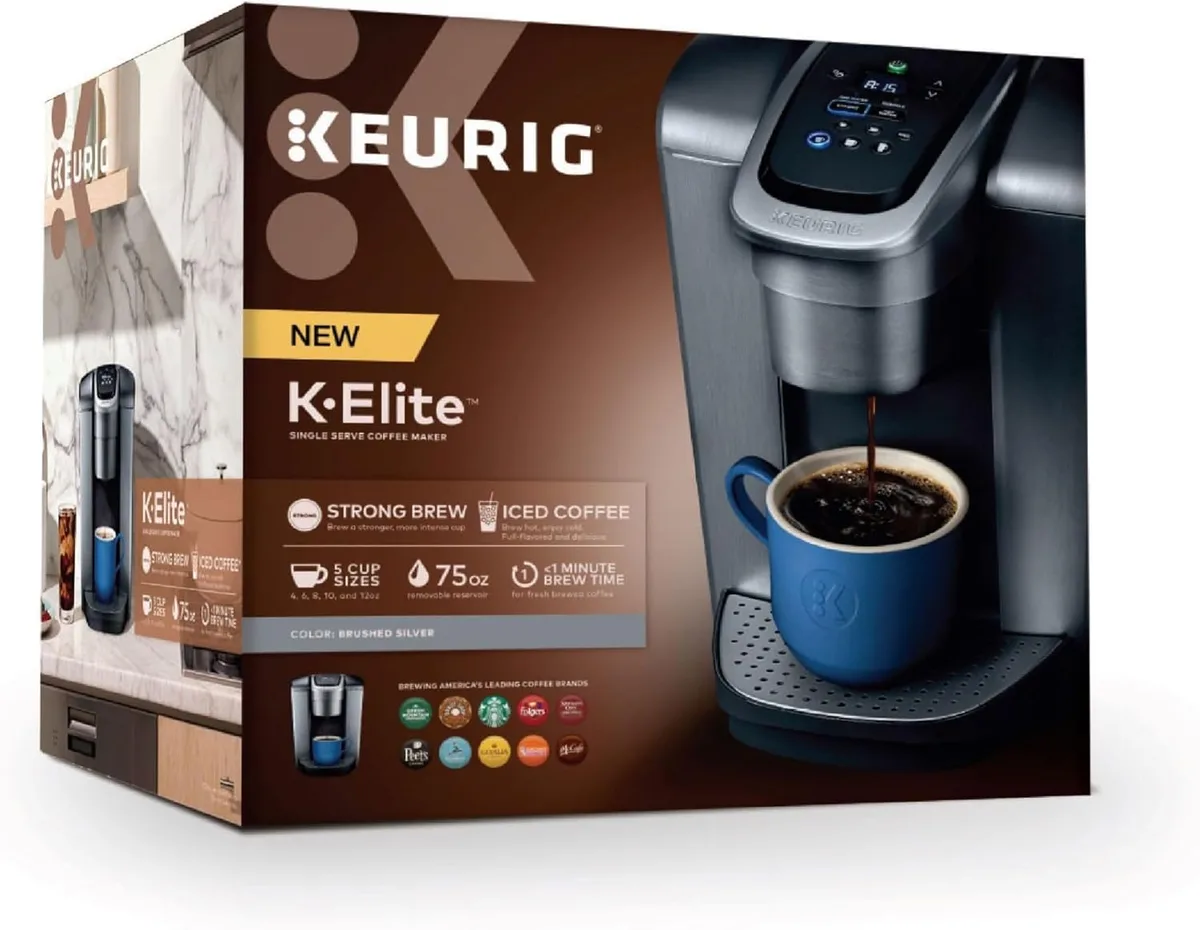
Image source: Bing (Web (fair-use with source credit))
Single-Serve Brewer: Features, Benefits, and Drawbacks
At its core, a single-serve brewer is designed for speed and minimal effort. It typically involves a water reservoir, a mechanism to puncture and brew from a pod, and a drip tray for the cup. Popular systems like Keurig and Nespresso offer a wide array of coffee, tea, and other beverage options in their proprietary formats.
Key Features & Benefits:
- Unmatched Speed: The primary draw is speed. You can have a hot cup of coffee in your hand in as little as 60-90 seconds from start to finish, making it ideal for hectic mornings or quick caffeine boosts.
- Minimal Waste (for the User): If you're the only coffee drinker, or if schedules rarely align, single-serve means you brew exactly what you need, avoiding waste from leftover coffee in a carafe. Cleanup is usually as simple as ejecting the used pod.
- Beverage Variety: These machines offer a vast selection of beverages beyond coffee, including teas, hot chocolate, and flavored coffees, all readily available in pod form. This is great for households where tastes vary.
- Consistency: Each cup brewed from a pod is designed to be consistent, providing a predictable flavor profile every time.
Potential Drawbacks:
- Higher Cost Per Cup: This is a significant consideration. The cost of individual pods or capsules is almost always higher per serving than brewing with ground coffee. Over a year, this can add up substantially.
- Environmental Concerns: The vast majority of single-serve pods are made from plastic or aluminum and contribute significantly to landfill waste. While some brands offer recycling programs, they aren't universally accessible or easy to use. For information on recycling initiatives, consumers can refer to manufacturer guidelines or local recycling center resources.
- Limited Coffee Choice: You are restricted to the brands and types of coffee that produce pods compatible with your specific machine. This limits the freedom to explore a wide range of coffee beans and roasts available in ground form.
- Brew Quality Concerns: For discerning coffee drinkers, the quality of flavor from a pod might be a compromise. The coffee is often pre-ground for extended periods, and the brewing method may not achieve the same depth of flavor extraction as other methods.
Drip Coffee Maker vs. Single Serve: Who Is It Right For?
Deciding between a drip coffee maker and a single-serve brewer isn't about which one is "better," but which one aligns best with your lifestyle and coffee habits. Think about your typical morning, who you're brewing for, and what your priorities are.
Drip Coffee Maker is likely your best bet if:
- You’re brewing for multiple people regularly.
- You appreciate the cost savings of buying bulk coffee grounds.
- You enjoy having the freedom to choose any coffee bean or grind type.
- You don’t mind a slightly longer brew time for a full pot.
- You’re looking for a reliable, all-around workhorse for your kitchen.
- You're interested in exploring top-rated brewers that offer various capacities.
Single-Serve Brewer is probably the way to go if:
- You primarily brew just one cup at a time.
- Speed and convenience are your absolute top priorities.
- You enjoy having a wide variety of beverages (coffee, tea, etc.) easily accessible.
- You don’t mind the higher per-cup cost for the convenience.
- You prefer minimal cleanup after each use.
- You are specifically looking for a beginner-friendly coffee setup.
Common Mistakes to Avoid When Choosing Your Brewer
When you're on the hunt for a new coffee maker, it's easy to overlook a few key things that could lead to buyer's remorse. Both drip machines and single-serve brewers have their own common pitfalls.
Mistakes with Drip Coffee Makers:
- Ignoring Carafe Material: Glass carafes are common but can break. Thermal carafes keep coffee hot without a warming plate, preventing that burnt taste, but can be pricier and sometimes harder to clean thoroughly.
- Overlooking Brew Strength Options: Some basic models only offer one brew strength. If you like a stronger or milder cup, look for machines with adjustable settings.
- Not Checking for Programmability: If you love waking up to pre-brewed coffee, ensure the model has a programmable timer. This feature is standard on many quality programmable coffee makers.
Mistakes with Single-Serve Brewers:
- Underestimating Pod Costs: The convenience of pods is appealing, but the long-term cost can be staggering. If you drink 2-3 cups a day, the expense of pods for a single serve coffee maker can quickly outweigh the initial machine cost.
- Buying Into a Closed System: Be aware that many machines use proprietary pods. While some offer reusable filter options, you're often tied to a specific brand's ecosystem.
- Ignoring Environmental Impact: If sustainability is a concern, research the recyclability of the pods and consider machines that offer reusable filter baskets.
Frequently Asked Questions About Drip vs. Single Serve
How long does a drip coffee maker typically take to brew a full pot?
A standard 10-cup drip coffee maker usually takes between 7 and 10 minutes to brew a full pot. This can vary slightly based on the machine's wattage and design.
Are single-serve coffee pods recyclable?
Many companies are developing recyclable pods, and some systems are designed with this in mind. However, actual recyclability depends on your local waste management facilities and the specific materials used in the pods. It’s best to check with the pod manufacturer or your local recycling program.
Can I use my own coffee grounds in a single-serve machine?
Some single-serve machines come with or offer reusable filter baskets that allow you to use your own ground coffee. This offers a way to save money and reduce pod waste while still enjoying the convenience of the machine.
Which type of coffee maker is better for entertaining guests?
For entertaining, a drip coffee maker is generally better because it can brew multiple cups at once, ensuring everyone gets coffee without a significant wait. If guests have very different preferences, a few single-serve machines might also be an option, but the volume capacity of drip is usually more practical.
Is one type of coffee maker more energy-efficient than the other?
Generally, drip coffee makers that rely on a warming plate can consume continuous energy to keep coffee hot. Single-serve brewers typically use energy only during the brief brewing cycle. However, the overall energy consumption depends on usage patterns and specific machine models.
For those interested in energy-efficient kitchen appliances, looking at models with auto-shutoff features is a good idea.
Your Final Decision: Picking the Best Coffee Brewer for You
Ultimately, the "better" coffee maker is the one that fits seamlessly into your life. If your mornings are a race against the clock and you’re often flying solo, a single-serve brewer’s speed and simplicity are hard to beat. For those who enjoy sharing coffee, entertaining guests, or simply want more control over their coffee beans, a drip coffee maker remains a solid, dependable choice.
Consider your budget not just for the machine itself, but for the ongoing cost of coffee. Pods for single-serve machines can add up quickly; for example, if a pod costs $0.75 and you drink one daily, that's over $270 per year just for coffee, not including the machine. A drip machine, with grounds costing perhaps $0.15-$0.25 per cup, would cost significantly less over time.
Drip Machine vs. Single Serve: Who Wins For Your Lifestyle?
If you host frequent gatherings or live in a busy household with multiple coffee drinkers, a drip coffee maker shines. Its ability to produce 8 to 12 cups at once means everyone gets their coffee without a long wait. Think of those weekend brunches where you need to keep the coffee flowing.
On the other hand, if you're typically the only one brewing coffee or your schedule is unpredictable, a single-serve machine is the clear winner for convenience. It’s perfect for that one essential cup before you dash out the door, or for when a family member wants decaf while you prefer regular. You can explore a wide array of beverages with these machines, from different coffee roasts to teas and hot chocolate, making them versatile for diverse tastes.
What About Maintenance and Longevity?
Both types of coffee makers require some basic upkeep to ensure they run well and produce good-tasting coffee. For drip machines, regular descaling is crucial to remove mineral buildup, which can affect brewing temperature and flavor. Manufacturer recommendations often suggest descaling every 1 to 3 months, depending on water hardness.
Single-serve brewers also need descaling, and cleaning the pod mechanism and drip tray is important to prevent clogs and residue. Some experts suggest wiping down the exterior and descaling every 3 to 6 months. While both can last for years with proper care, the mechanical complexity of some single-serve models might present more potential failure points over the very long term compared to simpler drip designs.
Which Brewer Offers Better Flavor Control?
If you're a coffee connoisseur who enjoys experimenting with different beans, grinds, and brewing strengths, a drip coffee maker generally offers superior flavor control. You can precisely measure your coffee grounds, adjust the grind size to suit your preference, and select specific coffee beans. This allows for a more nuanced extraction and a taste profile tailored exactly to your liking.
For those who appreciate these details, exploring best coffee makers with grinders might also be of interest.
Single-serve machines, while convenient, offer less direct flavor control. You are dependent on the quality and grind of the pre-packaged pods. While some machines have brew strength settings, the overall flavor is largely dictated by the pod itself.
If you prioritize a specific taste or enjoy the ritual of crafting your coffee, drip might be more satisfying.
Are There Environmental Considerations?
The environmental impact is a significant factor for many consumers. Drip coffee makers primarily use paper filters, which are biodegradable and compostable, or reusable mesh filters that can be cleaned and reused. This generally results in less waste compared to the single-use pods from single-serve brewers.
Single-serve pods, often made of mixed materials like plastic and aluminum, contribute a substantial amount to landfill waste. While some manufacturers are working on more sustainable pod options and recycling programs, the process can be cumbersome for consumers and not universally available. If minimizing waste is a high priority, a drip coffee maker with a reusable filter is often the more environmentally friendly choice.