Toaster Types
Deciding between a pop-up toaster and a toaster oven can feel surprisingly complex. Both promise golden-brown goodness, but their capabilities stretch in very different directions, impacting everything from your morning routine to your kitchen's counter space. We've dug into the specifics to help you figure out which appliance truly fits your needs.
Our research indicates that while a basic pop-up toaster excels at one job, toasting bread, a toaster oven offers a far wider range of functions. For instance, manufacturer specifications show toaster ovens can often reach temperatures exceeding 400°F, making them suitable for more than just breakfast items. Let's break down the key differences.
Quick Answer
Pop-up toasters are best for quickly toasting bread slices, bagels, or English muffins. Toaster ovens, however, offer versatility, able to toast, bake, broil, and reheat a wider variety of foods. Choose a pop-up toaster for speed and simplicity in bread browning.
Opt for a toaster oven if you need a compact appliance for small meals and snacks.
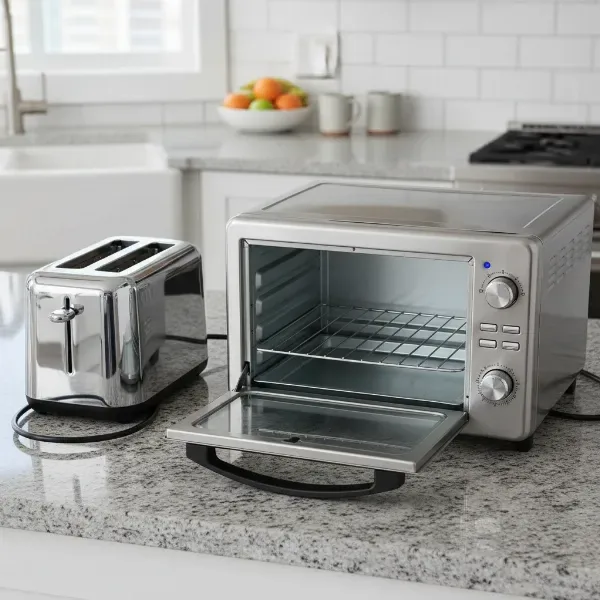
Image source: Bing (Web (fair-use with source credit))
Key Differences: Understanding the Basics of Each Type
At first glance, the difference seems obvious: one pops toast up, the other has a little door. But these fundamental design choices unlock entirely different functionalities and kitchen roles. Understanding these core distinctions is the first step to picking the right appliance for your space and habits.
Pop-Up Toasters: What They Are and What They Do
A pop-up toaster, or standard toaster, is designed with a singular purpose: to perfectly brown slices of bread and similar items. You drop your bread into the vertical slots, press down the lever, and heating elements on either side toast it until it pops up. Most models offer adjustable browning levels, letting you dial in your preferred crispiness.
They're built for speed and efficiency for this one primary task, making them a staple in many kitchens for a quick breakfast or snack.
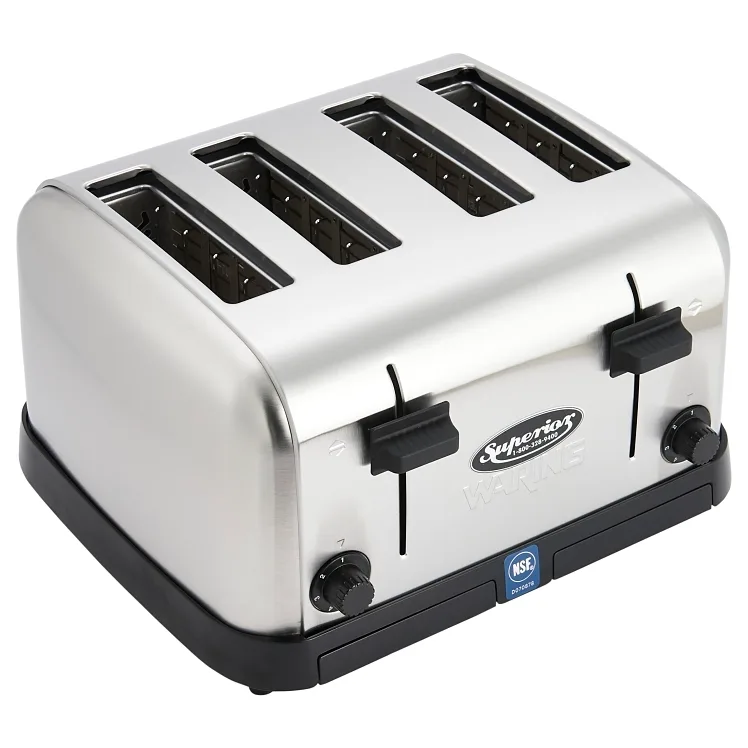
Image source: Bing (Web (fair-use with source credit))
Toaster Ovens: Beyond Just Toasting Bread
A toaster oven, on the other hand, is essentially a mini oven that lives on your countertop. It features a horizontal cavity with a door, a rack, and heating elements at the top and bottom. This design allows it to do much more than just toast.
You can bake small batches of cookies, broil a piece of fish, reheat leftovers without a microwave's soggy effect, or even cook a personal-sized pizza. Its versatility is its main selling point, though it generally takes longer to toast bread compared to a pop-up model.
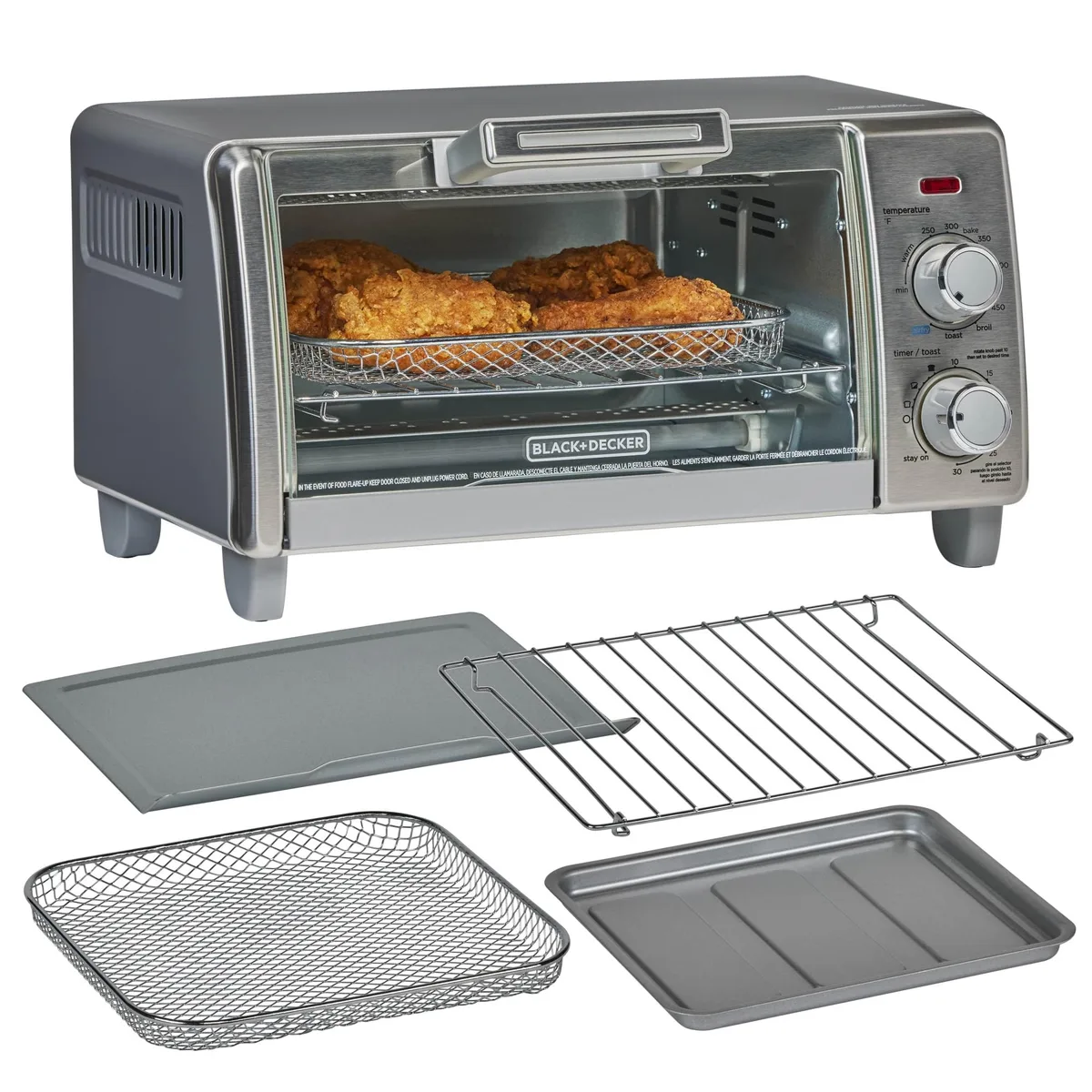
Image source: Bing (Web (fair-use with source credit))
Features to Compare: What Matters Most for Your Toast
When you're comparing different toaster types, a few key features really dictate how well they'll perform for your specific needs. It's not just about how many slices it can hold; it's about how it handles different types of bread and what else you might want to do with it. Let's look at what really matters.
Slot Size and Capacity: For Bread, Bagels, and Beyond
This is a big one, especially if you're not just toasting standard sandwich bread. Pop-up toasters come with varying slot widths and lengths. You'll find standard slots, extra-wide slots designed for thicker slices or artisan bread, and long slots perfect for that longer loaf of sourdough or French bread.
For instance, our research on the best toaster for thick bread shows that models with at least 1.5-inch wide slots are essential for handling generous slices without jamming. If you frequently toast bagels, look for models with dedicated bagel settings, which often toast one side more intensely than the other. Some pop-up toasters even have a "high-lift" feature that lets you easily retrieve smaller items without burning your fingers.
Browning Control: Getting Your Toast Just Right
This is where personal preference really comes into play. Most toasters, both pop-up and toaster ovens, offer some form of browning control. This can range from a simple numbered dial (1 being light, 7 being dark) to more precise digital interfaces.
Aggregate reviews report that consistent browning across the entire surface of the bread is a key indicator of a quality appliance. Some advanced pop-up toasters even feature countdown timers, so you know exactly how much longer your toast will take. For toaster ovens, the "toast" setting itself is usually adjustable, similar to a pop-up model, but it often uses the same heating elements as its baking and broiling functions.
Extra Functions: Defrost, Reheat, and More
This is where toaster ovens really pull ahead in terms of versatility, but some high-end pop-up toasters are catching up. A "defrost" function is incredibly useful if you often toast bread straight from the freezer; it gently thaws and then toasts. A "reheat" setting is perfect for warming up already-toasted items without overcooking them.
Some toaster ovens also include specific settings for things like cookies, potatoes, or even pizza, allowing them to act as a small, efficient oven. For example, some of the best air fryer toaster ovens can even mimic air frying capabilities for crispy results on various foods.
Who Needs What? Matching Toaster Types to Your Lifestyle
Figuring out which toaster type is best for you boils down to how you use your kitchen. Think about your daily routines, what you typically eat, and how much space you have. It's less about which is "better" overall and more about which is better for you.
The Quick Breakfast Hero: When a Pop-Up Toaster Shines
If your morning ritual involves grabbing a couple of slices of bread, popping them in, and getting perfectly golden toast within a few minutes, a pop-up toaster is likely your perfect match. They are champions of speed and simplicity for this specific task. Our analysis of best 2 slice toasters confirms that these appliances are designed for rapid, consistent toasting of bread, bagels, and English muffins.
They typically take up less counter space than a toaster oven, making them ideal for smaller kitchens or households where toasting bread is the primary need. For those who value efficiency and straightforward operation for their breakfast toast, a pop-up toaster is hard to beat.
The Versatile Kitchen Helper: Why a Toaster Oven Wins for Many
For households that want a multi-talented appliance without the full footprint of a traditional oven, a toaster oven is a fantastic compromise. Beyond just browning bread, these compact ovens can bake small batches of cookies, reheat leftovers more effectively than a microwave (no more soggy pizza crusts!), broil small portions of fish or chicken, and even toast things like garlic bread or open-faced sandwiches. If you're an individual or couple looking for an appliance that can handle more than just breakfast, a toaster oven offers incredible value.
You can find models that are surprisingly capable, even mimicking some functions of larger appliances; for example, some large air fryers offer similar convection capabilities.
The Trade-Offs: Pros and Cons of Each Toaster Style
No appliance is perfect, and both pop-up toasters and toaster ovens come with their own set of advantages and disadvantages. Understanding these trade-offs will help you make a decision that aligns with your kitchen priorities and expectations.
Pop-Up Toaster: The Good and the Not-So-Good
Pros:
- Speed: They toast bread faster than most toaster ovens.
- Simplicity: Easy to use, insert bread, select setting, push lever.
- Space-Saving: Generally have a smaller footprint than toaster ovens.
- Consistency: Excels at evenly browning bread slices.
- Affordability: Often less expensive than feature-rich toaster ovens.
Cons:
- Limited Functionality: Primarily designed for toasting bread products.
- Slot Constraints: Can be challenging to fit very thick or oddly shaped items.
- Cleaning: Crumbs can accumulate in hard-to-reach places, though removable trays help.
- No Baking/Broiling: Cannot cook or reheat items beyond toasting.
Toaster Oven: Weighing the Advantages and Disadvantages
Pros:
- Versatility: Can toast, bake, broil, and reheat.
- Capacity: Can often fit more items or larger items than pop-up toasters.
- Even Heating: Top and bottom elements can provide more uniform cooking in some modes.
- Visual Access: You can see your food as it cooks, preventing burning.
- Small Meal Solution: Great for cooking for one or two people without heating a full oven.
Cons:
- Slower Toasting: Often takes longer to toast bread compared to pop-up models.
- Counter Space: Requires more real estate on your countertop.
- Energy Use: Can use more energy for larger tasks than a pop-up toaster.
- Cleaning: Interior can be harder to clean thoroughly due to its oven-like design.
- Initial Cost: Can be more expensive, especially for models with advanced features.
Common Mistakes When Choosing a Toaster
When shopping for either a pop-up toaster or a toaster oven, there are a few pitfalls people often fall into. Avoiding these can save you frustration and ensure you get an appliance that truly serves your needs.
- Ignoring Slot Width: If you love thick-cut bread, bagels, or artisanal loaves, a standard slot width will be a constant annoyance. Always check the dimensions or look for models specifically advertising extra-wide or long slots, as highlighted in our guide to best toasters with wide slots.
- Overlooking Browning Consistency: Some toasters produce toast that's burnt on one side and pale on the other. While some variation is normal, look for models that aggregate reviews suggest offer even browning. This is a key indicator of quality heating elements and design.
- Not Considering Counter Space: A sleek pop-up toaster might seem insignificant, but a toaster oven, even a compact one, takes up considerably more room. Measure your available counter space before you buy.
- Buying Based on Price Alone: The cheapest option might lack essential features like consistent browning or adequate slot width, leading to buyer's remorse. Our review of best budget toasters points out features that offer the best value.
- Confusing Toaster Oven with Microwave: Remember, a toaster oven is a small oven, not a quick-heating microwave. It requires preheating for baking and broiling, and toasting bread will take longer than in a dedicated pop-up unit.
Cost and Features: What to Expect in Different Price Ranges
The price of toasters can vary dramatically, from under $20 for a basic pop-up model to over $200 for a high-end toaster oven with multiple functions. As of 2026, here’s a general idea of what you can expect across different price points for both types.
- Under $30: You'll find basic 2-slice pop-up toasters with limited browning settings and standard slots. Some very small, entry-level toaster ovens might also fall into this category, but their performance, especially for toasting, will be quite basic. Expect fewer features and simpler construction.
- $30, $75: This range opens up more options for pop-up toasters, including 4-slice models, wider slots, and slightly more sophisticated browning controls. In toaster ovens, you'll start seeing better build quality, more functions like defrost, and potentially more even heating. Many best 4 slice toasters fall here.
- $75, $150: Here, you can expect premium pop-up toasters with advanced features like digital displays, countdown timers, and exceptional browning consistency. For toaster ovens, this price point often means improved materials (like stainless steel), more robust cooking performance, convection features, and larger capacities. Many models capable of toasting sourdough well are found here.
- $150+: High-end pop-up toasters in this bracket might offer unique designs or specialized features. Toaster ovens in this tier can rival full-sized ovens, offering air frying, rotisserie, and advanced digital controls, often seen in premium air fryer toaster ovens.
How Long Does Toasting Take? Comparing Speeds
One of the most significant practical differences between pop-up toasters and toaster ovens lies in their speed for toasting bread. If your morning is rushed and every minute counts, this factor alone might decide which appliance is right for you.
Pop-up toasters are engineered for speed. Their vertical design and focused heating elements mean they can often toast a slice of bread to a golden brown in as little as 1 to 3 minutes. This efficiency makes them ideal for quickly preparing toast for multiple people in quick succession.
Our analysis of best 7 slice toasters shows that even these larger capacity pop-up models maintain swift toasting times.
Toaster ovens, while more versatile, generally take longer for the same task. Toasting bread in a toaster oven typically ranges from 3 to 6 minutes, depending on the model and the desired shade. This is because they need to heat a larger cavity and their elements might be further from the bread.
However, for tasks beyond simple toasting, like baking a small potato or reheating leftovers, this longer duration is expected and necessary for proper cooking.
What Can You Actually Cook in Each? Exploring Versatility
The core difference in what you can cook really hinges on the appliance's design. A pop-up toaster is, by and large, a single-purpose tool, while a toaster oven is a multi-tasker.
A pop-up toaster is excellent for standard bread slices, bagels, and English muffins. Some wider-slot models can accommodate thicker bread or frozen waffles. If your culinary ambition extends only to browning starches, a pop-up toaster will serve you well.
For specific bread needs, our guide on best toaster for bagels offers insights.
A toaster oven opens up a much broader cooking horizon. You can toast bread, of course, but also bake cookies, muffins, or small cakes. Broiling is another key function, perfect for melting cheese on toast, finishing casseroles, or cooking a small piece of fish or chicken.
Reheating is also superior to a microwave; it crisps food rather than steaming it. Many advanced models, like some stainless steel air fryers, also incorporate air frying, making them even more capable for a wide range of quick meals.
Cleaning and Maintenance: Keeping Your Appliance in Top Shape
No one enjoys cleaning kitchen appliances, but regular maintenance ensures they perform well and last longer. The cleaning process differs significantly between pop-up toasters and toaster ovens.
Pop-up toasters are notorious for crumb accumulation. Most models feature a removable crumb tray that slides out from the bottom, which should be emptied regularly after each use or at least every few uses. For deeper cleaning, you can turn the toaster upside down (unplugged, of course) and gently shake out any remaining crumbs.
The exterior can usually be wiped down with a damp cloth. Manufacturer specifications often recommend unplugging the appliance and allowing it to cool completely before any cleaning.
Toaster ovens, with their enclosed cavities and racks, require a bit more effort. The removable crumb tray, if present, should be emptied. The interior walls, rack, and door can typically be cleaned with a damp cloth and mild detergent.
For stubborn, baked-on food residue, you might need a non-abrasive cleaner specifically designed for oven interiors. Some modern toaster ovens boast self-cleaning functions, often using high heat to burn off residue, but manual cleaning is still generally recommended for longevity. Always consult the user manual for specific cleaning instructions for your model.
Frequently Asked Questions About Toaster Types
How long does a pop-up toaster typically last?
Most pop-up toasters, with regular use and care, can last anywhere from 3 to 7 years. Their lifespan often depends on the build quality, the frequency of use, and how well the crumb tray is maintained.
Can I toast anything other than bread in a pop-up toaster?
While primarily designed for bread, many pop-up toasters can handle bagels, English muffins, and waffles. However, avoid toasting items with loose fillings or excessive butter, as they can drip and cause a mess or fire hazard.
Do toaster ovens use a lot of electricity?
Toaster ovens use less electricity than a full-sized oven for small tasks, but more than a pop-up toaster for toasting bread. For example, toasting bread might use 800-1500 watts in a toaster oven, while a full-sized oven could use 2000-5000 watts for baking. Their efficiency depends on the task.
Is a toaster oven a good replacement for a microwave?
A toaster oven is not a direct replacement for a microwave, as it doesn't heat food as rapidly. However, it excels at reheating foods in a way that maintains crispiness, unlike a microwave which can make items soggy.
What is the best toaster type for large families?
For larger families needing to toast multiple items quickly, a 4-slice pop-up toaster or a toaster oven with a generous capacity would be most suitable. This allows for preparing breakfast for everyone more efficiently. Consider models like the best 4 slice toasters for speed.
Your Verdict: Making the Final Decision
Choosing between a pop-up toaster and a toaster oven ultimately comes down to your priorities and kitchen habits. If your primary need is to quickly and consistently brown slices of bread, bagels, or English muffins, a dedicated pop-up toaster is the clear winner. They’re fast, efficient, and take up minimal counter space, making them perfect for straightforward breakfast routines.
However, if you envision an appliance that does more than just toast, one that can bake small snacks, reheat leftovers with a satisfying crisp, or even broil a quick meal, then a toaster oven is the way to go. Its versatility makes it a powerful addition to any kitchen, especially for individuals or small households looking to maximize their counter appliances. Consider your daily cooking needs, the space you have available, and what functions you'll use most often to make the best choice for your home.