How To Use A Trailer Tongue Jack: Easy Guide
Using a trailer tongue jack means leveling the trailer, adjusting height smoothly, and securing it safely.
If you tow a camper, utility trailer, or boat trailer, learning how to use a trailer tongue jack is one of those small skills that makes a big difference. I have seen plenty of people struggle with a trailer that feels too heavy, sits crooked, or rolls in place when it should stay put. Once you know the right steps, the process feels easy, safer, and much less stressful.
What a trailer tongue jack does
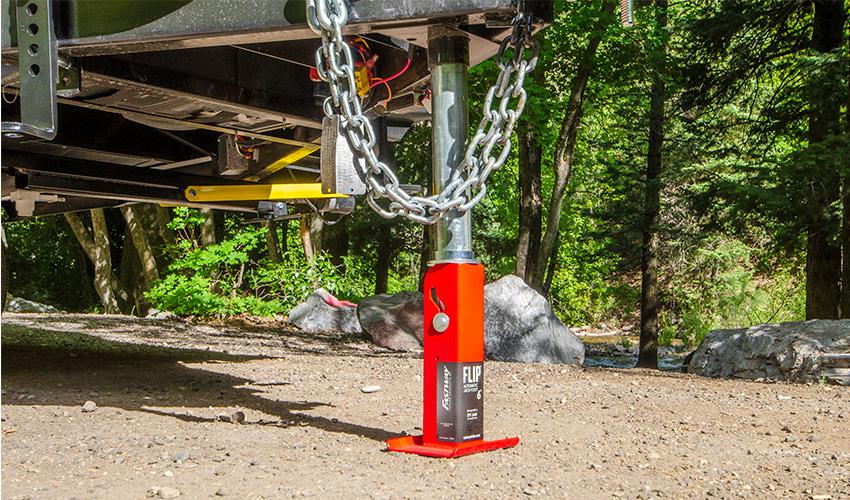
A trailer tongue jack is the front support on a trailer that raises and lowers the coupler. The coupler is the part that connects to the hitch ball on your tow vehicle. When you use a trailer tongue jack, you can lift the trailer off the ball, level it when parked, or line it up for hitching.
It may look like a simple tool, but it does a lot of work. It helps reduce strain on your back, keeps the trailer stable, and makes hooking up or unhooking much easier. In my experience, a good tongue jack is one of the most useful pieces of trailer gear you can own.
When you need to use a trailer tongue jack
You will use a trailer tongue jack any time the front of the trailer needs support or height adjustment. That includes hitching, unhitching, storage, and basic maintenance. It is one of those tools you may not think about until the moment you really need it.
Common times to use a trailer tongue jack include:
- Connecting the trailer to the hitch ball
- Uncoupling the trailer from the tow vehicle
- Leveling a trailer at a campsite or storage spot
- Changing a flat tire on the trailer
- Stabilizing the trailer while loading gear
- Adjusting height when using weight distribution gear
If your trailer tongue is heavy, the jack becomes even more important. It turns a tough lift into a controlled motion.
Types of trailer tongue jacks
Before you learn how to use a trailer tongue jack, it helps to know the main types. The right one depends on the size of your trailer and how often you use it.
Manual tongue jack
A manual jack uses a hand crank or side handle. It is simple, reliable, and usually less expensive. I have used manual jacks on small utility trailers and boat trailers, and they are great when you want basic, no-fuss operation.
Electric tongue jack
An electric tongue jack runs on your trailer battery or another power source. It lifts and lowers the trailer with a switch, which saves time and effort. This is a strong choice for heavier trailers or for anyone who wants easier operation.
Swivel tongue jack
A swivel jack mounts on a bracket that lets it swing up and out of the way when towing. That is handy for road clearance and storage. Many trailer owners like this style because it gives flexibility without adding much complexity.
Drop leg jack
A drop leg jack has a fast-adjusting leg that lowers quickly near the ground, then fine-tunes with a crank or motor. This style is useful on larger trailers because it saves time during setup. It is especially helpful when the trailer tongue sits high off the ground.

How to use a trailer tongue jack step by step
Using a trailer tongue jack is not hard, but the steps matter. A careful setup keeps the trailer stable and prevents damage to the hitch or coupler.
1. Park on level ground if possible
Start with the trailer and tow vehicle on flat, firm ground. This gives you better control and reduces the chance of rolling or shifting. If the area is sloped, use wheel chocks before you begin.
2. Set the tow vehicle in park and engage the brake
Make sure the tow vehicle cannot move. Put the transmission in park and set the parking brake. Safety first, always.
3. Place wheel chocks behind the trailer wheels
Wheel chocks help keep the trailer from rolling. I never skip this step when I am parking on anything but very flat ground. It is a simple habit that can prevent a dangerous surprise.
4. Crank or power the jack down
Lower the tongue jack until the foot plate touches the ground. Keep lowering until the jack begins taking the trailer’s weight. You will feel the load shift as the trailer starts to rest on the jack.
5. Raise or lower the tongue as needed
Use the jack to line up the coupler with the hitch ball when connecting. If you are disconnecting, raise the tongue slightly so the coupler clears the ball. Move slowly and watch the trailer response, since even a small change can make a big difference.
6. Lock or secure the coupler
Once the coupler is seated on the hitch ball, lower the jack a little more so the weight settles onto the tow vehicle. Then lock the coupler latch and install the safety pin or lock if your setup uses one. This helps prevent accidental release.
7. Retract the jack before towing
Before you drive away, fully retract the tongue jack. If your jack swivels, fold it into the travel position and secure it. Forgetting this step can cause serious damage fast, so I always do a final walk-around before moving.
8. Lower the jack again when parked
When you unhitch, lower the jack so it supports the trailer tongue. Then disconnect the coupler from the hitch ball and raise the tow vehicle away. This keeps the trailer stable while parked.
How to use a trailer tongue jack to hitch a trailer
Hitching is one of the most common uses for a trailer tongue jack. The goal is to bring the coupler and hitch ball into the same height range so they connect cleanly.
Here is the simplest process:
- Back the tow vehicle close to the trailer
- Use the tongue jack to raise or lower the trailer tongue
- Line up the coupler above the hitch ball
- Lower the coupler onto the ball
- Lock the coupler latch
- Attach the safety pin or lock
- Raise the jack fully before driving
If the ball and coupler do not line up, do not force it. Small height adjustments with the jack are much safer than muscling the trailer into place. That was one of the first lessons I learned the hard way early on.
How to use a trailer tongue jack to unhitch a trailer
Unhitching is basically the reverse of hitching, but it still needs care. A stable trailer is much easier to disconnect safely.
Use this method:
- Park on level ground
- Chock the trailer wheels
- Raise the tongue jack until it supports the front of the trailer
- Lower the coupler latch and remove the safety pin if present
- Lift the coupler off the hitch ball
- Move the tow vehicle forward slowly
- Keep the trailer supported by the jack
If the trailer tongue feels too heavy while uncoupling, stop and check the jack height. The trailer should rest on the jack, not your hands or the hitch hardware. That is one reason a working tongue jack matters so much.
How to use a trailer tongue jack for leveling
Leveling a trailer can make camping more comfortable and can help with safe storage too. A tongue jack handles front-to-back leveling, while side-to-side leveling is usually done with leveling blocks or ramps.
To level a trailer front to back:
- Park the trailer where you want it
- Chock the wheels
- Use the tongue jack to raise or lower the front
- Check the trailer level with a small bubble level or leveling app
- Adjust until the trailer sits as needed
Do not assume the trailer is level just because it looks close. Even a small tilt can affect doors, appliances, and sleeping comfort in an RV. I have found that a few extra seconds of checking saves a lot of annoyance later.
Safety tips when using a trailer tongue jack
A tongue jack is simple, but safety still matters. A few basic habits can prevent injuries and equipment damage.
Keep these tips in mind:
- Always use wheel chocks
- Never put hands or feet under an unsupported trailer
- Use the correct jack capacity for your trailer
- Check the jack foot for solid contact with the ground
- Avoid soft soil when possible, or use a jack pad
- Retract the jack fully before travel
- Inspect the jack for wear, rust, or bending
Ground conditions matter more than many people expect. On soft dirt, gravel, or hot pavement, a jack foot can sink or shift. A jack pad or support block spreads the load and gives the jack a better grip.
How to choose the right trailer tongue jack
The best tongue jack for your trailer depends on weight, tongue height, and how often you use it. A small utility trailer may only need a basic manual jack, while a travel trailer may benefit from a stronger electric model.
Look at these factors:
- Weight capacity: Match or exceed your trailer tongue weight
- Lift range: Make sure it reaches the needed height
- Mount style: Choose fixed, swivel, or bolt-on as needed
- Power source: Manual or electric
- Foot size: Wider feet help on soft ground
- Durability: Look for corrosion resistance if you tow in wet weather
A jack that is too weak is a bad trade. It may seem fine at first, but over time the strain can make operation rough and unsafe. I prefer to go a little higher on capacity than just barely meeting the minimum.
Common mistakes to avoid
Many trailer problems happen because the jack is used too fast or without a basic check. These mistakes are easy to avoid once you know them.
Watch out for these errors:
- Forgetting wheel chocks
- Cranking too fast and causing the trailer to shift
- Using a jack with the wrong weight rating
- Leaving the jack partly down before travel
- Parking on soft ground without support
- Ignoring a bent or rusty jack
- Trying to lift the whole trailer instead of just the tongue
One mistake I see often is people using the jack like a winch. It is not meant to drag the trailer around. Its job is to support and adjust the tongue, not to solve every alignment issue by force.
Maintenance tips for longer jack life
A trailer tongue jack lasts longer when you treat it like a working tool, not just a metal post. A little care goes a long way.
Simple maintenance steps include:
- Keep the jack clean and dry
- Lubricate moving parts as recommended
- Check bolts and mounting brackets
- Inspect the foot plate for cracks or bending
- Look for rust, especially after rain or road salt
- Test the crank or motor before a trip
If you have an electric jack, check the wiring and battery condition too. Weak power can make the jack slow or jerky. For manual models, stiff cranking usually means the threads need cleaning or lubrication.
Real-world tips from experience
Over the years, I have found that the best trailer jack habits are the boring ones. Slow movements, good chocking, and a final check before driving save far more time than rushing ever will. A trailer tongue jack should feel like a helper, not a hassle.
A few practical lessons stand out:
- Keep a block or jack pad in your trailer kit
- Practice hitching in daylight before doing it at night
- Mark the proper jack height for your usual setup
- Check ground softness before you unhook
- Listen for grinding or wobble, which can signal wear
Think of the jack as the trailer’s front leg. If the leg is shaky, everything above it becomes shaky too. That simple image has helped me slow down and work more carefully.
Frequently Asked Questions of How to use a trailer tongue jack
What is the main purpose of a trailer tongue jack?
A trailer tongue jack raises, lowers, and supports the front of a trailer. It makes hitching, unhitching, and leveling much easier and safer.
Can I use a trailer tongue jack on uneven ground?
Yes, but you should be careful. Use wheel chocks and, if needed, a jack pad or leveling blocks to keep the jack stable on soft or sloped ground.
How much weight can a trailer tongue jack hold?
That depends on the jack’s rating, which is listed by the manufacturer. Always choose a jack with a capacity that matches or exceeds your trailer’s tongue weight.
Do I need to remove the tongue jack before towing?
You do not usually remove it, but you must fully retract or fold it into the travel position. Leaving it down can damage the jack, the trailer, or the road surface.
Why is my trailer tongue jack hard to crank?
It may be overloaded, dry, dirty, or damaged. Check the load, inspect for rust or debris, and lubricate moving parts if the manufacturer allows it.
Conclusion
Learning how to use a trailer tongue jack the right way makes trailer ownership easier, safer, and far less stressful. Once you understand the basic steps, the jack becomes a simple tool that helps with hitching, leveling, and parking without a fight. The key is to move slowly, use wheel chocks, and match the jack to your trailer’s needs.
If you tow often, take a few minutes to inspect your jack and practice the process before your next trip. That small habit can save you from bigger problems later. If this guide helped, keep exploring more trailer care tips and share your own experience in the comments.