How To Use A Window Breaker Tool: Safe Steps
Use a window breaker tool only for emergencies, with firm control, aim, and a clear escape plan.
A window breaker tool can save time when every second matters, but only if you know how to use it the right way. I have seen people freeze in high-stress moments because they did not know where to strike, how much force to use, or how to stay safe from sharp glass. In this guide, I’ll walk you through how to use a window breaker tool with practical, real-world advice so you can understand the tool, use it properly, and avoid costly mistakes.
What a window breaker tool is and when to use it
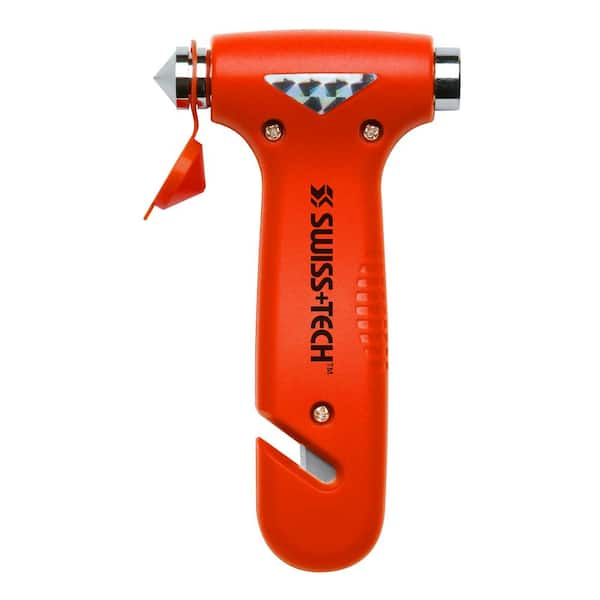
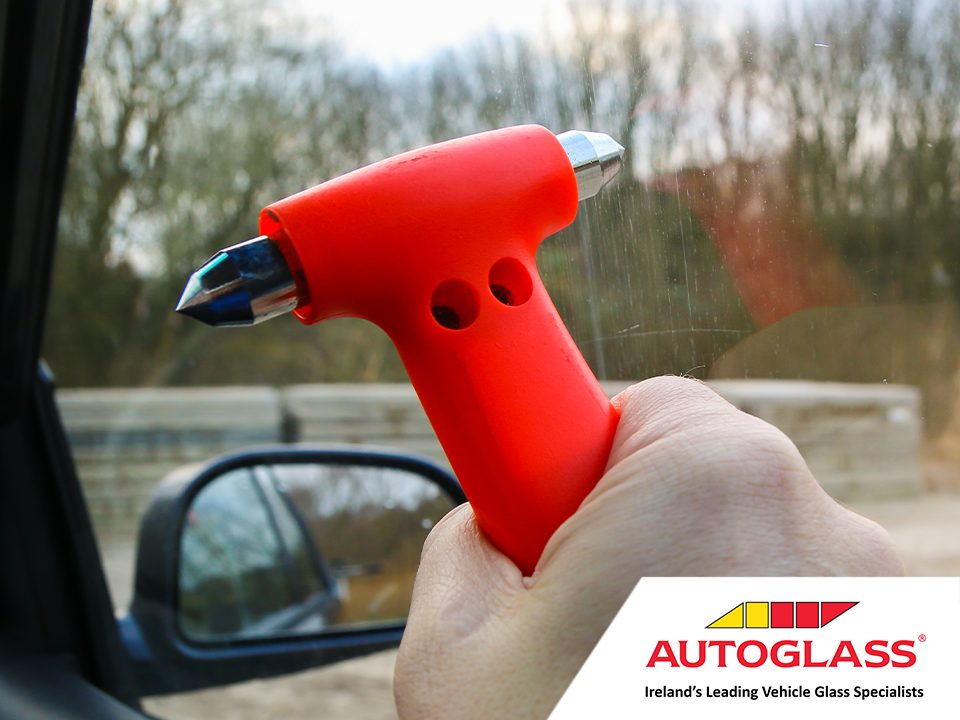
A window breaker tool is a compact emergency device made to shatter tempered glass fast. It is often part of a car escape kit, a rescue tool, or a multi-tool designed for emergencies. The most common versions use a spring-loaded steel tip, a carbide tip, or a built-in hammer head.
You should use a window breaker tool only when you need an urgent exit or rescue and another way out is not safe or possible. That includes car crashes, flooding, fire, or when a door is jammed. In my experience, people often buy one and toss it in the glove box without thinking through the “when” and “how,” which is exactly how panic takes over later.
The tool is not meant for ordinary glass in homes, since many household windows are made of different materials. It works best on tempered side windows in vehicles. That detail matters because using it on the wrong surface wastes energy and time.
How to use a window breaker tool step by step
Using a window breaker tool is simple in theory, but in a real emergency, simple only works if you’ve practiced the basics. The goal is to create a clean break with the least effort. The key is not brute strength. It is control.
Follow these steps:
-
Find the right window
Focus on the side windows, not the windshield. Most car windshields are laminated and much harder to break. -
Choose a corner if possible
The edge or corner of the side window usually breaks more easily than the center. This can make a real difference when seconds count. -
Hold the tool firmly
Grip it like you mean it, but do not overthink it. A steady grip helps keep the strike accurate. -
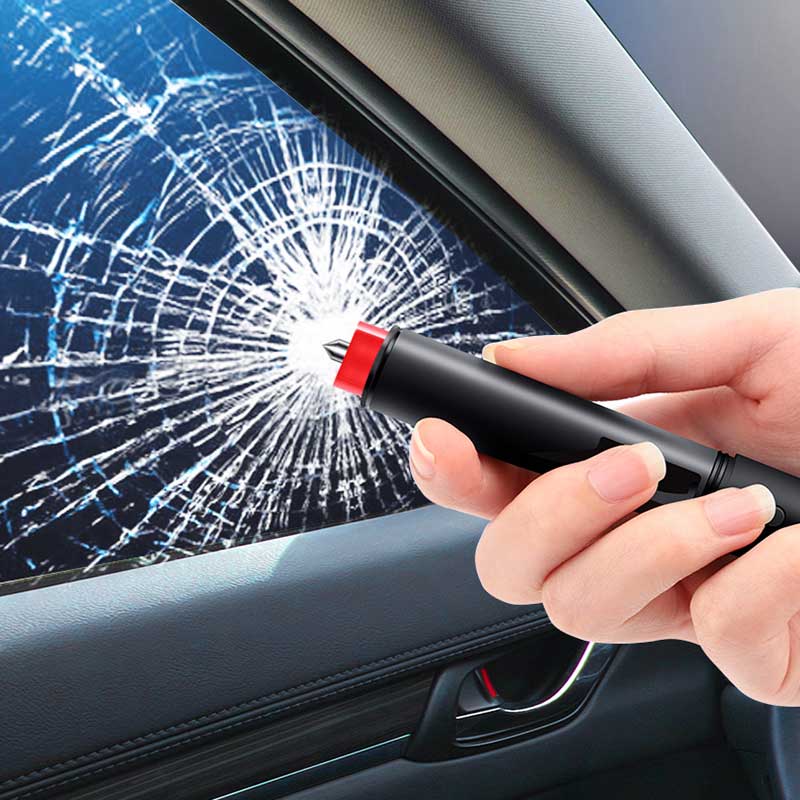
Press or strike with purpose
If it is a spring-loaded tool, press the tip firmly against the glass until it triggers. If it is a hammer-style tool, use a quick, controlled strike near the edge. -
Clear the broken glass carefully
Once the window breaks, push loose shards away with a cloth, jacket, or gloved hand if available. Be careful with sharp edges around the frame. -
Exit or assist immediately
Do not linger. If this is an emergency, move fast and help others only when it is safe to do so.
The biggest mistake I see is hesitation. People tap the window like they are testing it, then wonder why nothing happens. A window breaker tool is designed for decisive action, not gentle tapping.
Best places to strike a car window
The best place to strike with a window breaker tool is usually near a corner of the side window. Glass stress tends to concentrate at the edges, so the window breaks more easily there. The center often takes more force and can waste precious time.
Here are the general rules that help:
• Target the lower corners of the side window when possible
• Avoid the windshield unless you have no other option and the tool is designed for it
• Do not hit the rear window unless you know it is tempered glass
• If the glass is already cracked, use the crack line to your advantage
In a training demo I once watched, the difference between the center and the corner was huge. The corner shattered with one clean hit, while the center took repeated strikes. That lesson sticks with me because it shows how much smart placement matters.
Safety tips before and after using a window breaker tool
Safety matters just as much as force. Broken glass can cut skin, eyes, and hands very fast. A good window breaker tool helps you escape, but it can also create new risks if you rush without thinking.
Keep these safety tips in mind:
• Protect your face with your arm or sleeve if possible
• Keep children and pets away from the glass edge
• Avoid using bare hands to clear large shards
• Move slowly enough to avoid stepping on broken glass
• If you can, wear gloves in advance if you are preparing an emergency kit
If the car is on fire, flooded, or unstable, do not waste time cleaning every shard. Get out first. Survival comes before neatness.
It also helps to remember that a broken window is only one step. You still need a clear exit path. Think of it like opening a locked gate during a storm. The gate is only useful if you can walk through it safely.
Types of window breaker tools and how they differ
Not all window breaker tools work the same way. Some are tiny keychain tools, while others are built into seatbelt cutters or rescue hammers. Picking the right one depends on where you keep it and how comfortable you are using it.
Common types include:
• Spring-loaded window breakers
These use a loaded internal mechanism to fire a hardened tip into the glass.
• Hammer-style window breakers
These rely on a sharp, solid strike, often with more visible impact.
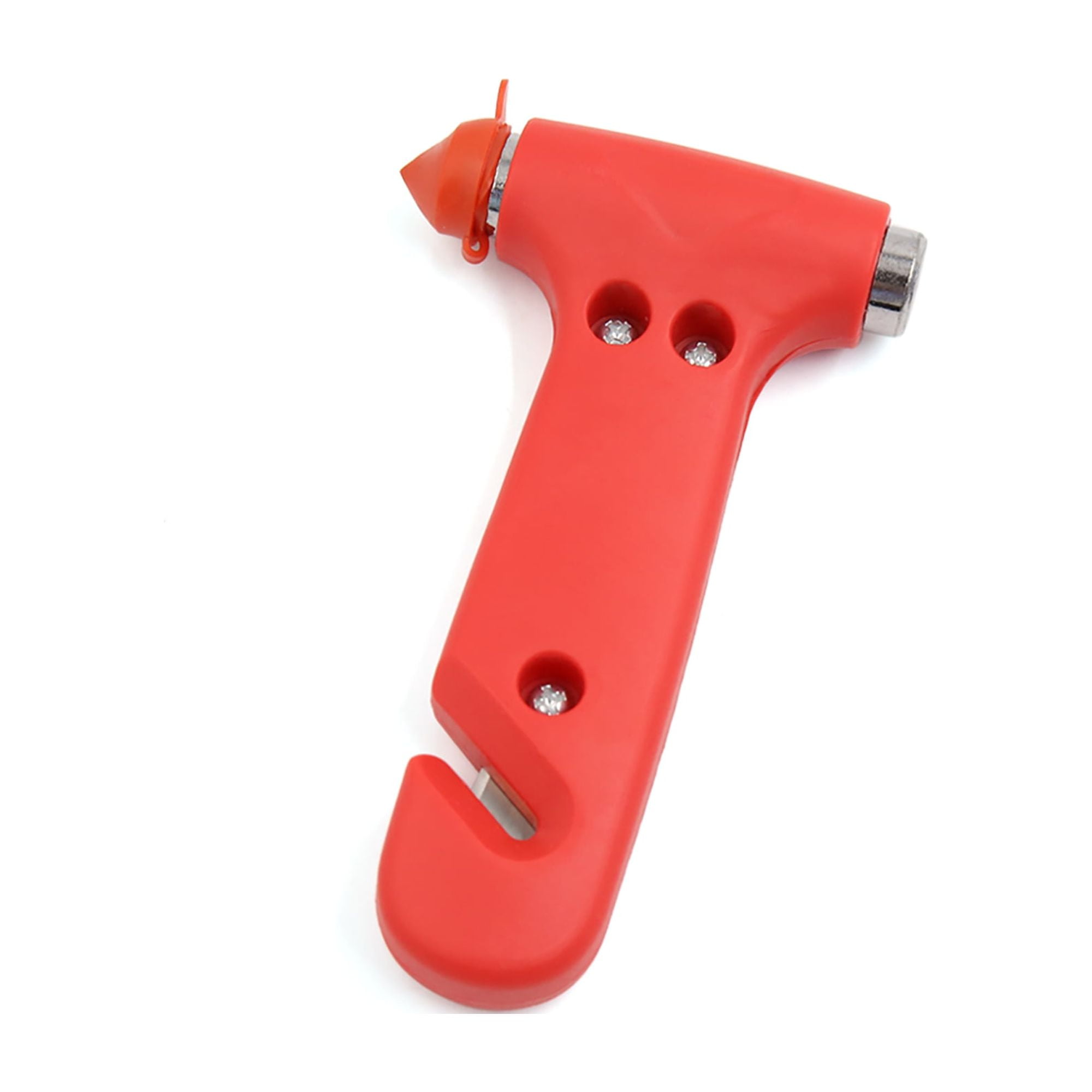
• Multi-tools with a breaker and seatbelt cutter
These are popular in car emergency kits because they handle two major problems at once.
• Rescue tools for first responders
These are often stronger, more durable, and made for repeated emergency use.
In practice, I prefer tools that are easy to grab and hard to misuse. A tool that sits buried under old receipts is not much help in a real emergency. Accessibility matters as much as design.
How to choose the right window breaker tool
When you buy a window breaker tool, do not focus only on price. A cheap tool can fail when you need it most. What matters is quality, ease of use, and where you plan to keep it.
Look for these features:
• Hardened steel or carbide tip
• Non-slip grip
• Compact size for easy storage
• Built-in seatbelt cutter
• Clear instructions from the maker
• Trusted reviews from real users
Also think about who may use it. If a teen, spouse, or older parent might need it, the tool should be simple enough for them to use under stress. I always tell people to choose the tool they can explain in one minute, because emergencies do not wait for a long lesson.
Common mistakes to avoid
Even a good window breaker tool can fail if used poorly. Most mistakes come from panic, bad placement, or poor preparation. The good news is that these errors are easy to avoid once you know them.
Common mistakes include:
• Hitting the windshield instead of a side window
• Striking the center of the glass repeatedly
• Using weak, hesitant taps
• Forgetting where the tool is stored
• Not practicing with the tool before an emergency
• Using the wrong tool on laminated glass and expecting instant results
One of the most painful lessons in emergency prep is this: the best gear in the world is useless if you cannot reach it fast. I’ve seen people keep a rescue tool in the trunk, which is the worst place if the trunk is blocked or the car is upside down. Keep it within easy reach.
How to practice safely at home
You should never practice on a real car window without proper permission and safety controls. But you can still learn the motion and handling of a window breaker tool in a safe way. Practice builds confidence, and confidence reduces panic.
Try these safe practice ideas:
• Read the instructions and inspect the tool
• Practice the grip and motion without glass
• Learn where it is stored in your car or home kit
• Show other family members how to use it
• Review how to clear broken glass safely
If you want to be even more prepared, pair the tool with a small flashlight, gloves, and a seatbelt cutter. That kind of setup is like having a fire extinguisher in the kitchen. You hope to never use it, but you want it ready.
What to do after breaking the window
After using a window breaker tool, stay focused. Breaking the glass is only the beginning. Your next move should be fast, calm, and safe.
Here is the usual order:
- Move away from sharp edges
- Help anyone who needs assistance, if it is safe
- Exit the vehicle through the opening
- Watch for traffic, fire, water, or unstable ground
- Seek emergency help right away if needed
If the situation is a flood, remember that time and pressure change everything. Electric windows can fail once water rises, and waiting too long makes escape harder. In those moments, clear thinking is worth more than strength.
How a window breaker tool fits into a full emergency kit
A window breaker tool works best when it is part of a larger emergency plan. On its own, it can break glass. In a full kit, it becomes part of a smart response system.
Useful items to keep with it include:
• Seatbelt cutter
• Flashlight
• Reflective vest
• First aid kit
• Work gloves
• Emergency blanket
• Phone charger or power bank
This is where many people underestimate the big picture. The tool helps you escape, but the rest of the kit helps you survive the minutes after. Good preparation is like building a bridge, not just buying a hammer.
Frequently Asked Questions of How to use a window breaker tool
What window should I break in a car emergency?
Break a side window, not the windshield, because side windows are usually made of tempered glass and are easier to shatter. If possible, aim near a corner or edge for a cleaner break.
Can a window breaker tool break any type of glass?
No, it is mainly designed for tempered glass, which is common in car side windows. Laminated glass, like most windshields, is much tougher and may not break the same way.
Where should I keep a window breaker tool in my car?
Keep it within arm’s reach, such as in the center console, door pocket, or attached near the driver’s seat. Do not store it in the trunk, because you may not be able to reach it in an emergency.
Do I need a seatbelt cutter with a window breaker tool?
A seatbelt cutter is very useful because seatbelts can jam after a crash. A combo tool gives you two escape options in one device, which is why many people prefer it.
Is it safe to use a window breaker tool if the glass is already cracked?
Yes, cracked glass is often easier to break, but you still need to protect your hands and eyes from sharp shards. Use controlled force and move away from the broken edge as soon as the glass opens.
Conclusion
Knowing how to use a window breaker tool can make a huge difference in a real emergency. The tool is simple, but the right technique, the right placement, and the right mindset matter just as much as the tool itself. If you keep one in your vehicle, store it where you can reach it fast and make sure everyone in your family knows how it works.
Take a few minutes today to check your emergency gear and practice the basics. That small step can save time, reduce panic, and help you act with confidence when it counts. If this guide helped, explore more safety tips, build a better car emergency kit, or share your own preparedness routine in the comments.