How To Use A Seat Belt Cutter: Fast Safety Guide
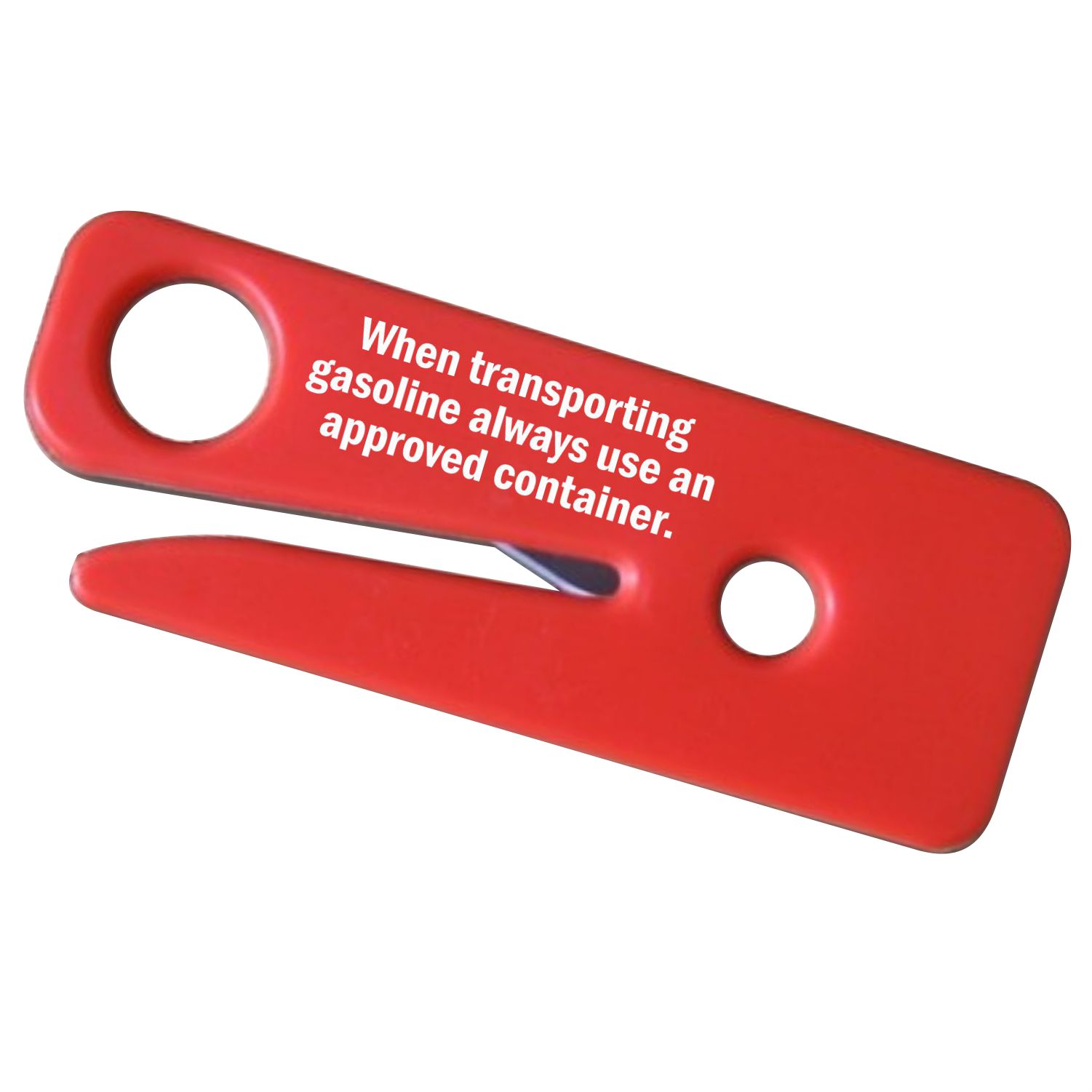
A seat belt cutter is used by sliding its hooked blade under the belt and pulling away from your body.
If you have ever needed to free someone fast after a crash, you know how important a seat belt cutter can be. I have seen how a small, simple tool can make a huge difference in a tense moment, and that is why learning how to use a seat belt cutter matters. In this guide, I’ll walk you through the right way to use one, when it helps most, and the mistakes that can slow you down when every second counts.

What a seat belt cutter is and why it matters
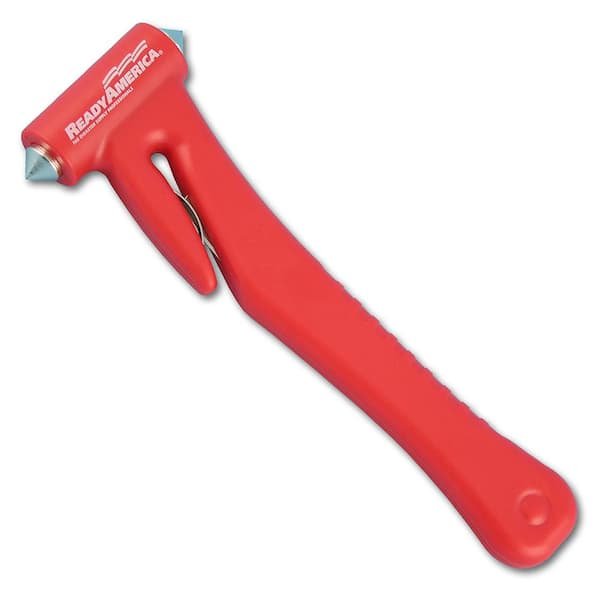
A seat belt cutter is a small emergency tool made to cut through a seat belt fast and safely. Most models have a protected blade so you can slice the belt without pushing the blade toward the person in the seat. Many also come with a window breaker, which makes them useful in car emergencies.
I like to think of it as a fire extinguisher for your car. You hope you never need it, but if you do, you want it close, easy to reach, and simple to use. In a crash, a jammed buckle, twisted belt, or disabled latch can make escape hard, and that is where a seat belt cutter can help.
A good cutter is often kept in the glove box, center console, door pocket, or attached to a keychain. Emergency responders, roadside workers, and safety-minded drivers often carry one because it gives an extra way out when a seat belt will not release normally.

When you should use a seat belt cutter
Use a seat belt cutter when a seat belt will not unbuckle and time matters. This may happen after a crash, when the buckle is damaged, the belt is jammed, or the person in the vehicle cannot safely wait for help.
Here are common situations where a seat belt cutter can help:
- After a collision, when the buckle is bent or stuck
- If a driver or passenger is trapped and needs a fast exit
- When the seat belt is locked and will not release
- If a medical issue means the person must get out right away
- During flooding, fire risk, or smoke, when speed matters more than anything
Do not use a seat belt cutter just because the seat belt feels tight. Modern seat belts lock in certain situations to protect you, and cutting them early removes that safety layer. Use it only when normal release methods fail or when emergency conditions make cutting the belt the safest choice.
How to use a seat belt cutter step by step
Using a seat belt cutter is simple, but calm hands matter. In my experience, people make fewer mistakes when they pause for one second, look at the belt, and decide the safest angle before cutting.
Follow these steps:
-
Make sure the area is safe
Check for smoke, fire, traffic, broken glass, or fuel leaks. If the car is unsafe, get everyone out as fast as possible. -
Try the buckle first if time allows
Press the release button normally. If the buckle works, you do not need to cut the belt. -
Hold the cutter firmly
Grip it so the blade points away from the person and toward the belt strap. -
Slide the blade under the belt
Place the hook or opening under the flat part of the seat belt. Aim for the strap near your hand, not near skin or clothing. -
Pull in one smooth motion
Draw the cutter away from the person with steady force. A sharp cutter should slice the belt cleanly. -
Remove the belt from the body
Once cut, free the person carefully and move them to safety if needed.
A helpful tip from real use: cut the belt in a spot that gives you space to work. If the belt is twisted or stretched tight, move to a flat section if possible. That makes the cut cleaner and easier.
Best way to hold and position the cutter
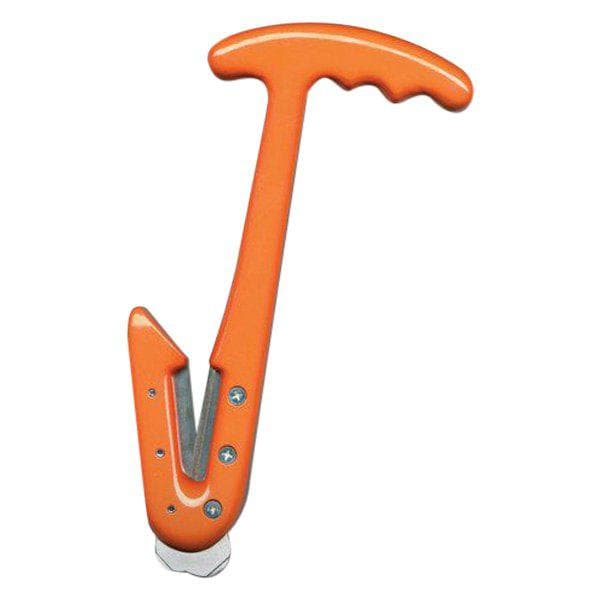
The safest grip is the one that keeps the blade away from the person and away from your own fingers. Think of it like drawing a tiny sled under the strap, not stabbing at it. The motion should be controlled and short.
Keep these points in mind:
- Keep your fingers behind the guard if the tool has one
- Hold the cutter with the blade facing the belt, not the body
- Use short, firm pulls instead of wild swings
- Stay close to the belt so the blade does not slip
If you are helping a child, older adult, or injured passenger, position yourself so you can work without leaning across the person too much. That lowers the chance of accidental cuts and helps you stay balanced in a cramped car.
Mistakes to avoid when using a seat belt cutter
I have noticed that panic causes most of the bad moves, not the tool itself. People often rush, angle the blade wrong, or try to cut too far from the belt.
Avoid these mistakes:
- Cutting toward the person instead of away from them
- Using too much force and missing the strap
- Trying to cut through thick layers of fabric and seat covers together
- Putting the cutter where it can be hard to reach in an emergency
- Waiting too long to decide if cutting is needed
Another common mistake is storing the cutter in a place you cannot find fast. A seat belt cutter is only useful if your hand can reach it in seconds. That is why many people keep it within arm’s reach, not buried in a bag under luggage.

Seat belt cutter safety tips
A seat belt cutter is safer than a knife for this job because it is designed for controlled cutting. Still, it is a blade, so basic care matters. The goal is to free someone, not add a new injury.
Use these safety tips:
- Keep it out of children’s reach
- Test where it is stored so you can grab it quickly
- Inspect the blade or hook from time to time
- Replace a damaged or dull tool
- Practice on old seat belt material if you want to build confidence
Real-world emergency gear works best when you know it before you need it. Even a one-minute practice session in a parked car can help you understand how the cutter feels in your hand. That little bit of familiarity can shave off precious time later.
Choosing the right seat belt cutter
Not all seat belt cutters are the same. Some are simple spring-loaded tools, while others are part of multi-tools with a window breaker. The best one is the one you can use quickly with one hand and trust in a panic.
Look for these features:
- A covered or recessed blade for safer handling
- A strong grip that does not slip
- One-hand operation
- Bright color for quick spotting
- A compact shape for glove box or keychain storage
If you drive often, travel with family, or work around vehicles, a well-made cutter is worth having. It is a low-cost item that can support a much bigger goal: getting out safely when things go wrong.
How seat belt cutters fit into car emergency readiness
A seat belt cutter is just one part of a good emergency setup. It works best when paired with other basics like a flashlight, first aid kit, and phone charger. In a real crash, those small tools can help you stay calm and act faster.
A simple car safety kit may include:
- Seat belt cutter
- Window breaker
- First aid kit
- Flashlight
- Reflective triangle or warning light
- Emergency contact card
Safety groups and crash response experts often stress fast escape and clear access to rescue tools. That lines up with what many responders know from the field: when seconds matter, simple tools win.
Real-life lessons from using emergency cutters
One lesson I have learned is that the tool should feel obvious in your hand. If you have to read tiny labels or figure out the blade angle, it is not the right tool for urgent use. The best cutters are intuitive.
Another lesson is to never assume a belt will release normally after a crash. I have seen cases where the buckle looked fine but would not open because of damage or body pressure against the latch. In those moments, having a seat belt cutter nearby can turn a trapped situation into a manageable one.
A final lesson is that calm beats speed without control. Fast is good, but controlled fast is better. A clean cut on the first try is always safer than three rushed tries.
Frequently Asked Questions
How do you use a seat belt cutter safely?
Hold the cutter so the blade faces the belt and away from the person. Slide it under the strap and pull in one smooth motion.
Can a seat belt cutter cut through all seat belts?
Most seat belt cutters are made for standard automotive seat belts, which they can cut quickly. Very thick or unusual straps may need more careful positioning, but a proper emergency cutter should handle common belts well.
Is a seat belt cutter better than a knife?
Yes, for emergency vehicle use it is usually safer and easier to control than a knife. The protected blade design lowers the chance of injuring the person while you cut the belt.
Where should I keep a seat belt cutter in my car?
Keep it in a place you can reach fast, like the center console, driver door pocket, or a mounted emergency kit. Avoid storing it deep in the trunk or under heavy items.
Can children use a seat belt cutter?
A child should not normally use one unless trained by an adult in a supervised safety lesson. Since it contains a blade, it should be treated like any sharp tool and stored securely.
Conclusion
Learning how to use a seat belt cutter is one of those small skills that can make a life-changing difference in an emergency. The process is simple, but the value comes from knowing when to use it, how to hold it, and where to keep it so you can reach it fast.
If you drive, ride with family, or want to be ready for the unexpected, take a minute to check your vehicle safety kit today. Practice finding the cutter, review the steps, and make sure the tool is easy to grab when it matters most. If this guide helped you, keep exploring car safety tips and share the article with someone who should have this knowledge too.


One Comment