How To Use A Microfiber Drying Towel: Pro Tips
Use a microfiber drying towel by folding it flat, blotting water gently, and flipping to a dry side often.
If you want a faster, safer way to dry a car, countertop, glass panel, or other smooth surface, a microfiber drying towel is one of the best tools you can use. I’ve used these towels for years, and the difference is clear: less streaking, less rubbing, and a much lower chance of leaving behind swirl marks or lint. In this guide, I’ll show you exactly how to use a microfiber drying towel the right way, plus the small mistakes that can ruin the results.

What a microfiber drying towel is and why it works
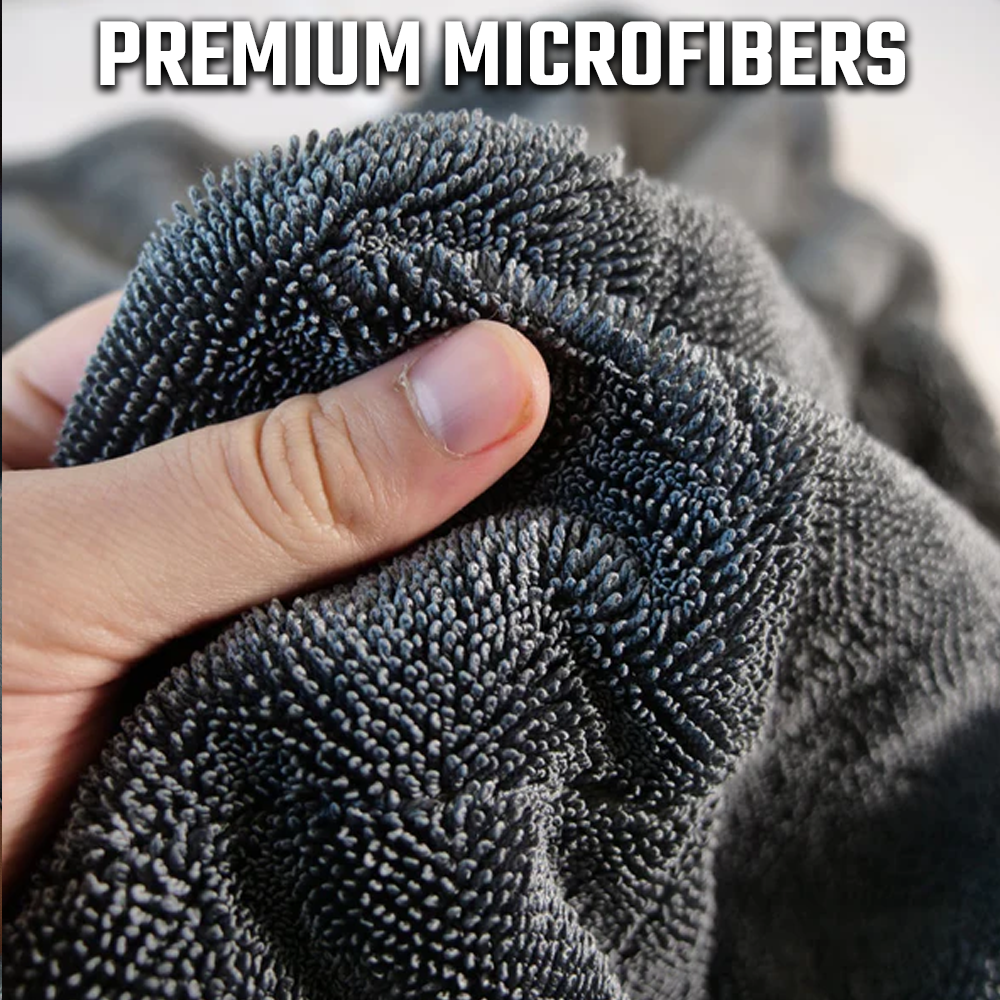
A microfiber drying towel is made from very fine synthetic fibers, usually a blend of polyester and polyamide. Those tiny fibers create a huge surface area, which helps the towel pull in and hold water fast. That is why a good microfiber drying towel can dry more with less effort than a regular cotton towel or paper towel.
In real use, it works like a sponge and a magnet at the same time. The fibers absorb moisture, and the towel’s soft texture helps reduce scratching on delicate surfaces. That makes it a favorite for car detailing, home cleaning, and glass care.
A microfiber drying towel is useful because it can:
• Absorb a lot of water quickly
• Reduce streaks on paint and glass
• Leave less lint behind than many cotton towels
• Help protect delicate finishes when used correctly
• Speed up drying in one pass or two passes
When people ask how to use a microfiber drying towel, the answer starts with one simple idea: let the towel do the work. You should not need to scrub hard. Gentle contact is usually enough.

How to use a microfiber drying towel step by step
Using a microfiber drying towel is simple, but technique matters. I learned this the hard way after overworking a wet car panel and leaving faint streaks that could have been avoided. The towel was fine. My method was the problem.
Follow these steps for clean, smooth results:
-
Wash or rinse the surface first
Dirt and grit can scratch if they are trapped under the towel. On cars, a clean rinse after washing helps remove loose soap and debris. -
Shake out the towel
This helps open the fibers a bit and makes the towel easier to spread across the surface. -
Lay the towel flat on the wet area
Do not wad it up. A flat towel covers more space and dries more evenly. -
Blot or glide gently
For most surfaces, press lightly and let the towel absorb the water. On paint, a gentle drag works well if the surface is clean. -
Flip to a dry side often
A microfiber drying towel works best when it has room to absorb. Once one side feels damp, turn it or refold it. -
Wring it out if needed
If the towel gets too wet, squeeze it out and keep going. A saturated towel stops drying well. -
Finish with a second dry towel if needed
For streak-free results on glass, mirrors, or dark car paint, a second towel can help polish away any remaining moisture.
If you want the best answer to how to use a microfiber drying towel, remember this: spread, press, flip, and keep it clean. That simple pattern gives you the smoothest result.

Best way to use a microfiber drying towel on a car
Car drying is where a microfiber drying towel really shines. After washing, the paint often holds tiny beads of water that can leave spots if they air dry. A microfiber drying towel helps pull that moisture off before it settles.
Here’s the method I trust most for auto care:
• Start at the roof and work downward
Gravity helps water run down, so beginning at the top keeps you from rewetting finished areas.
• Use a clean, large towel
Bigger towels cover more panel area and reduce the number of passes you need.
• Use a pat-and-drag motion
Some detailers blot first, then lightly drag the towel. This helps on soft clear coat finishes.
• Fold the towel into sections
Folding gives you multiple clean drying surfaces. I usually keep four usable sides ready.
• Dry one panel at a time
This keeps the process organized and helps you spot missed water before it streaks.
A microfiber drying towel is especially helpful on modern clear coat paint, glossy trim, and chrome. Still, light pressure is key. Pressing too hard is not better. It can create friction and reduce the towel’s life.
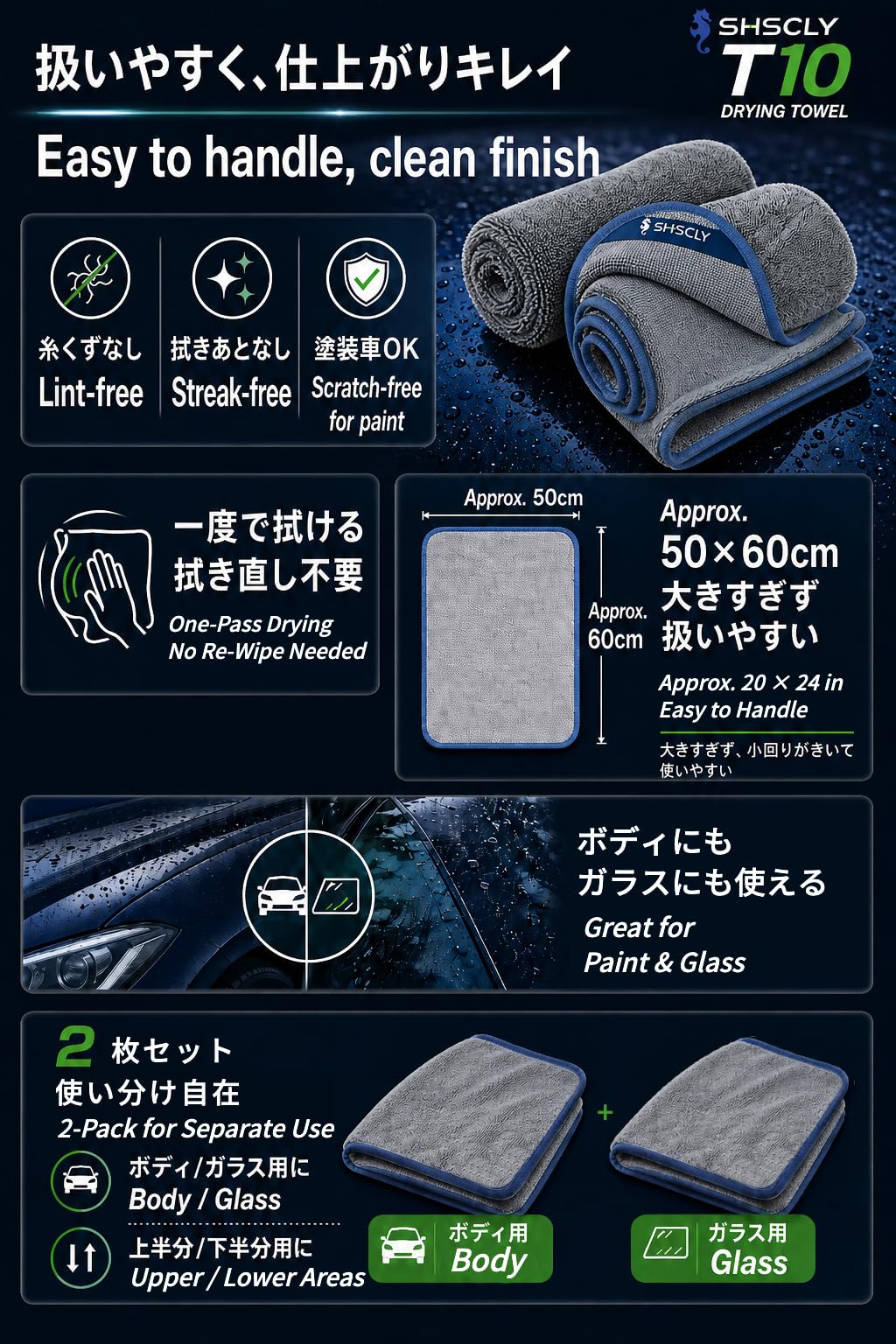
If you care about the best results, also check the towel’s GSM rating. Higher GSM towels are often thicker and more absorbent, which can help with drying larger vehicles. Many professional detailers also prefer twist-loop or waffle-weave microfiber drying towel designs because they handle water well and cut down on streaking.
How to use a microfiber drying towel on glass and mirrors
Glass is one of the trickiest surfaces because any streak or lint stands out right away. The good news is that a microfiber drying towel can work very well here if you use the right motion and keep the towel clean.
For glass and mirrors:
• Use a towel that is clean and dry
Even a little dirt can leave haze or streaks.
• Fold it into a small, neat pad
Smaller folds help control the motion and keep the edges from dragging.
• Wipe in straight lines
Side-to-side or up-and-down strokes make streaks easier to spot and fix.
• Avoid over-wetting the towel
A damp towel is often better than a soaked one for finishing glass.
• Follow with a dry pass if needed
This can help remove any haze left behind by moisture or cleaner.
I’ve found that glass cleaning becomes much easier when the microfiber drying towel is used as a finishing tool, not just a water remover. Think of it like the last pass of a paintbrush. That final touch makes the whole surface look sharper.

Common mistakes to avoid with a microfiber drying towel
A microfiber drying towel is effective, but only if you treat it well. I’ve made enough mistakes over the years to know which ones matter most. Most problems come from using the towel on dirty surfaces or letting it get overloaded with water and grime.
Avoid these common mistakes:
• Using the towel on a dusty surface
Dry dust can scratch. Rinse or wash first.
• Scrubbing too hard
Microfiber works by contact, not force.
• Letting the towel get saturated
Once it is too wet, drying gets weaker and streaks become more likely.
• Mixing it with rough laundry
Towels can pick up lint and lose softness if washed with cotton or towels that shed.
• Using fabric softener
Fabric softener can coat the fibers and reduce absorbency.
• Storing it dirty
A towel that sits with grime can become stiff and less effective.
One lesson I learned is that microfiber drying towel care matters almost as much as the drying itself. A well-kept towel lasts longer, dries better, and feels safer on delicate finishes. Treat it like a tool, not a rag.
How to wash and care for a microfiber drying towel
If you want your microfiber drying towel to keep working well, care is essential. Microfiber can last a long time, but only if you wash it the right way. That’s not just opinion. The fine fibers can clog or flatten if they are cleaned with the wrong products.
Best care tips:
• Wash separately from cotton items
Cotton lint can cling to microfiber.
• Use a gentle liquid detergent
Skip bleach and fabric softener.
• Wash in warm or cool water
Very hot water can wear fibers faster.
• Tumble dry on low heat or air dry
High heat can damage the fibers.
• Keep a separate towel for cars, glass, and household cleaning
This helps prevent cross-contamination from grease, wax, or cleaner residue.
If you’ve ever noticed a microfiber drying towel leaving streaks after a few washes, the towel may not be ruined. It may just need a proper wash to restore some performance. I’ve seen towels bounce back after a careful cleaning cycle more than once.
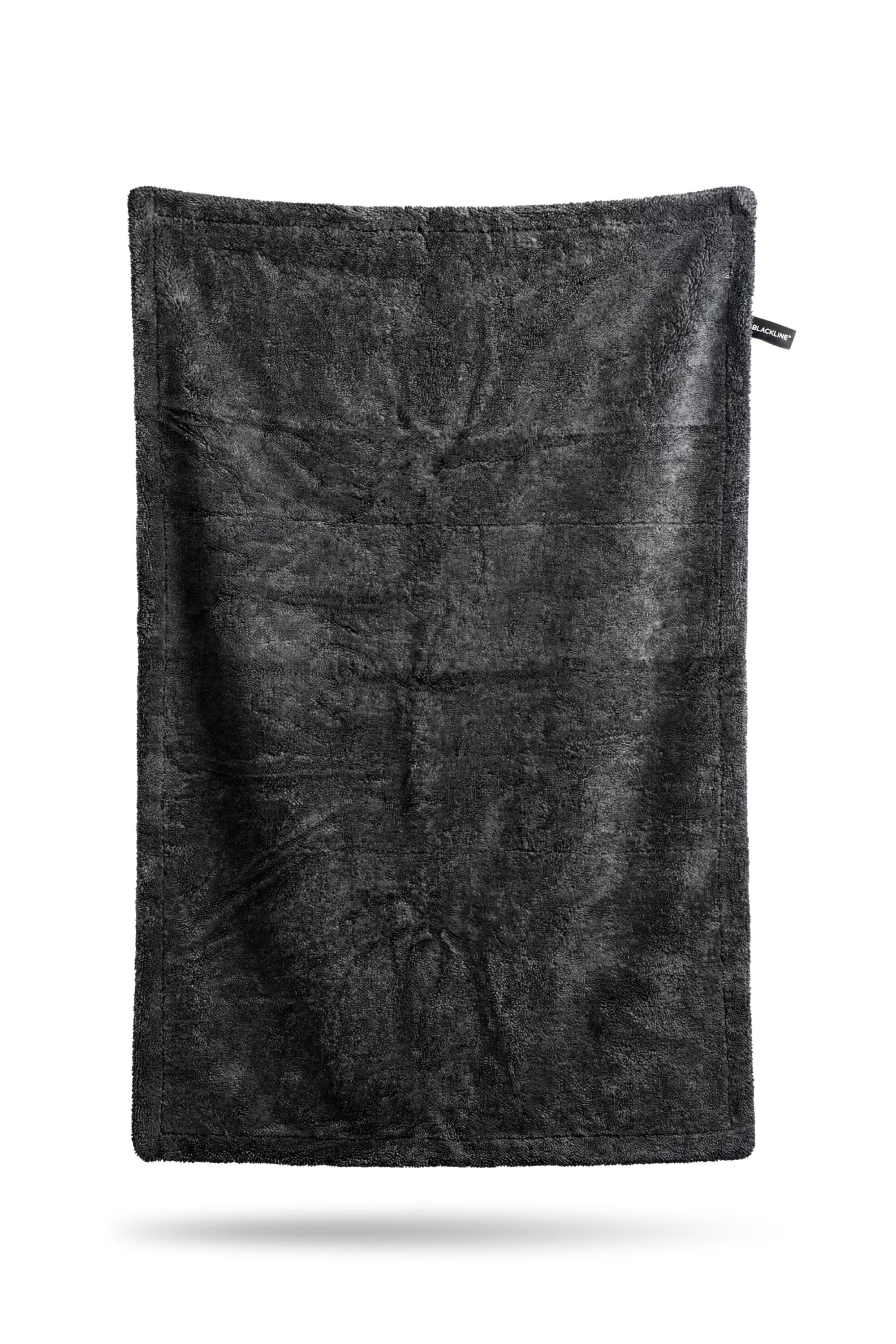
Choosing the right microfiber drying towel
Not all microfiber drying towel products are equal. Some are thick and plush. Others are lighter and better for glass or detailing work. The right choice depends on the job.
Here’s what to look for:
• GSM rating
Higher GSM often means a thicker, more absorbent towel.
• Weave type
Twist-loop, waffle-weave, and plush towels all serve different needs.
• Edging
Soft satin or silk edges are usually gentler than hard stitched borders.
• Size
Larger towels are great for cars. Smaller ones work well for mirrors and tight spaces.
• Lint level
A good microfiber drying towel should leave minimal lint behind.
For auto care, a larger towel with strong absorbency is usually best. For home use, a smaller towel may be easier to handle. The best microfiber drying towel is the one that matches the task you do most.
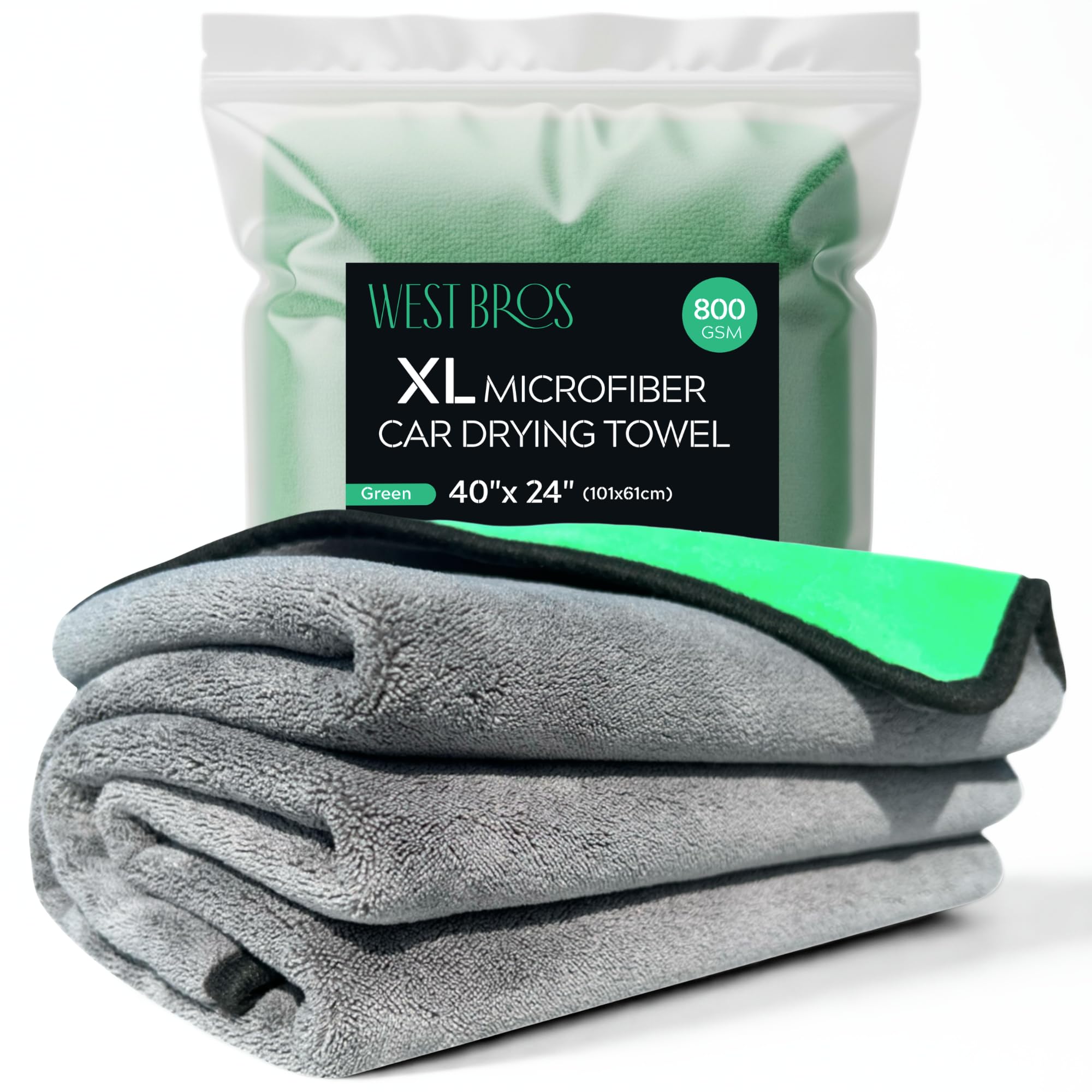
Benefits and limitations of a microfiber drying towel
A microfiber drying towel offers real advantages, but it is not magic. It works best when used on clean surfaces and maintained properly.
Benefits include:
• Faster drying
It absorbs water quickly and reduces drying time.
• Better finish
It helps reduce streaks and lint.
• Safer feel
The soft texture lowers the chance of surface damage when used right.
• Reusable performance
One good towel can be used many times.
Limitations include:
• Can trap dirt if the surface is not cleaned first
• Loses performance when overloaded with water
• Needs proper washing to stay effective
• May not work equally well on every surface or texture
That balance is important. A microfiber drying towel is a strong tool, but it still depends on technique, towel quality, and surface prep. If you expect it to fix a dirty surface by itself, you’ll be disappointed.
Frequently Asked Questions of How to use a microfiber drying towel
How do you use a microfiber drying towel without streaks?
Use the towel on a clean surface and keep it flat. Flip to a dry side often and avoid pressing too hard. For glass or dark paint, a second dry towel can help finish the job.
Can you use a microfiber drying towel on car paint?
Yes, and that is one of its best uses. A clean microfiber drying towel helps remove water safely from paint while lowering the risk of scratches when used with light pressure.
How do you know when a microfiber drying towel is too wet?
If it stops picking up water quickly or starts dragging moisture around, it is too wet. Wring it out or switch to a dry section before continuing.
Should a microfiber drying towel be used dry or damp?
For drying, it is usually best dry or only slightly damp from prior use. A dry towel absorbs water faster, while a lightly damp towel can still work for final touch-ups.
How often should you wash a microfiber drying towel?
Wash it after heavy use or whenever it picks up dirt, wax, or cleaner residue. If you use it for cars, it is smart to wash it before lint and grime build up.
Why is my microfiber drying towel leaving lint?
Lint often comes from poor washing, low-quality fibers, or mixing the towel with cotton laundry. Washing it properly and keeping it separate from lint-producing fabrics usually fixes the problem.
Conclusion
Learning how to use a microfiber drying towel is really about using light touch, clean technique, and the right towel for the job. Once you understand how to fold it, flip it, and care for it, drying becomes faster, safer, and much easier.
Whether you are drying a car, wiping glass, or finishing household surfaces, a microfiber drying towel can give you a cleaner result with less effort. Try the steps above the next time you clean, and you’ll likely notice the difference right away. If you found this guide helpful, keep exploring more practical care tips and share your own towel tricks in the comments.