Yakima CBX Vs Thule Motion XT: Which Roof Box Wins?
Yakima CBX offers a sleek, practical design, while Thule Motion XT provides more size choices and refined loading features.
Choosing between the Yakima CBX vs Thule Motion XT can feel like picking between two excellent travel bags. Both are premium rooftop cargo boxes with strong weather protection, simple mounting systems, and useful space for road trips, skis, strollers, and camping gear. The better choice depends on your vehicle, roof rack, budget, and how often you carry bulky items. This guide compares their size, capacity, design, security, noise, installation, and real-world value so you can buy with confidence.

Yakima CBX vs Thule Motion XT: Quick comparison
The Yakima CBX and Thule Motion XT sit in the premium cargo box class. They are made for drivers who want more storage without pulling a trailer or filling the passenger area with bags.
| Feature | Yakima CBX | Thule Motion XT |
|---|---|---|
| Main strength | Clean design and useful shape | Wide size range and easy handling |
| Common sizes | CBX 16 and CBX 18, depending on market | Motion XT Sport, L, XL, and other size options |
| Mounting | Yakima’s integrated mounting system | Thule PowerClick mounting system |
| Opening | Dual side opening | Dual side opening |
| Locking | Yakima SKS lock system | Thule locking system |
| Typical load rating | Often up to 165 pounds, depending on model and vehicle | Often up to 165 pounds, depending on model and vehicle |
| Best for | Owners who value style and balanced storage | Families and travelers who want more size flexibility |
| Main drawback | Fewer size choices in some markets | Larger models may be heavy and costly |
These figures are general. The exact limit depends on the cargo box, roof rack, and vehicle roof. Always follow the lowest rating in the owner’s manuals.
The central difference in the Yakima CBX vs Thule Motion XT debate is not simple quality. Both are well built. The real question is which design fits your daily needs better.

Design and build quality
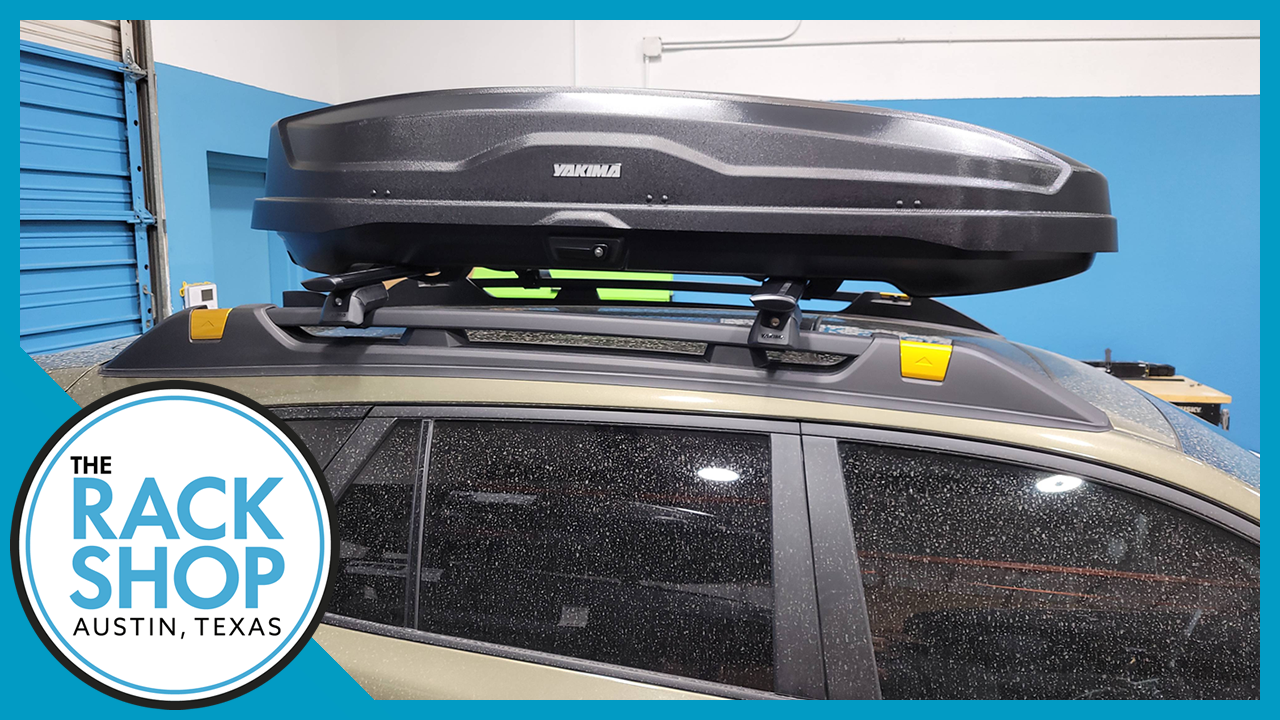
Yakima designed the CBX with a smooth, modern shape. Its lines are less boxy than many older cargo carriers. The finish also blends well with newer SUVs, crossovers, and wagons.
Thule gives the Motion XT a wider range of shapes and sizes. The shell feels sturdy, and the lid has a firm, controlled action. The larger models offer a lot of room, but they can look substantial on a small car.
Both cargo boxes use molded plastic shells. This helps keep weight low while giving the box enough stiffness for normal road use. Still, neither box is a place for loose metal tools, sharp bike parts, or overloaded bags.
From my experience comparing rooftop gear, fit and daily handling matter more than a small difference in shell finish. A box that is easy to open and close will get used well. A box that feels too large for the vehicle may become a burden.
The Yakima CBX vs Thule Motion XT comparison is close on build quality. Thule has a slight advantage in size options, while Yakima has a slight advantage in visual balance on many vehicles.

Cargo space and usable capacity
Cargo box capacity is measured in cubic feet. This number helps, but it does not tell the whole story. The inside shape matters just as much as the advertised volume.
The Yakima CBX is usually sold in sizes such as the CBX 16 and CBX 18. A 16-cubic-foot box can hold several medium duffel bags, coats, shoes, and soft camping items. The CBX 18 gives extra room for larger family trips.
Thule offers more choices in the Motion XT line. The Sport works for smaller cars and lighter needs. The Motion XT L suits many families, while the XL offers more room for long trips or bulky winter gear.
A practical packing example looks like this:
• Two large soft duffel bags
• Several jackets and blankets
• A stroller with removable wheels
• Small camping chairs
• Sleeping bags and pillows
Hard suitcases waste space because their corners do not match the box shape. Soft bags work better. Packing cubes also help you use the narrow front and rear areas.
The Yakima CBX vs Thule Motion XT choice often comes down to how much gear you carry. For two people, a medium box may be enough. For a family of four, the larger Thule or CBX model may save space inside the vehicle.
Do not fill a box simply because room remains. Heavy items should stay low and near the center. Light items, such as sleeping bags and coats, belong near the top.
.jpg)
Which box is better for skis and snowboards?
Both products can carry winter equipment, but you must choose the correct length. A cargo box may have plenty of cubic feet yet still be too short for your skis.
Before buying, measure the longest item you plan to carry. Check the usable internal length, not only the outside length. Bindings can also need extra height.
The Thule Motion XT line gives shoppers more choices for long gear. Some larger models are well suited to skis, snowboards, and family winter equipment. The Yakima CBX also works well for snow gear when you select the right size.
Keep these points in mind:
• Check the box’s internal length.
• Place skis with bindings facing up or in the position recommended by the manual.
• Use a ski carrier inside the box if you need a firm hold.
• Do not force a snowboard diagonally into a box that is too short.
• Leave room for the lid to close without pressure.
In the Yakima CBX vs Thule Motion XT comparison, Thule may be easier for shoppers who need a very specific length. Yakima remains a strong option when its size matches your gear and vehicle.

Mounting and installation
A rooftop cargo box should not feel like a wrestling match. Both brands use tool-free mounting systems designed to attach to compatible crossbars.
Yakima’s mounting hardware uses an integrated tightening system. Once the box is centered, you turn the controls until the clamps hold the crossbars firmly. The system is designed to reduce guesswork.
Thule uses its PowerClick mounting system. The controls provide a clicking signal when the clamps reach the intended tightness. This helps prevent both loose mounting and unnecessary over-tightening.
The basic installation process is similar:
-
Place the box on the crossbars with help from another person.
-
Center it from side to side.
-
Check that the rear hatch can open.
-
Attach and tighten the clamps.
-
Test the lid and locks.
-
Recheck the mounting after a short drive.
One mistake I often see is placing the box too far forward. The driver wants more room at the back, but this can block the hatch. Another mistake is ignoring crossbar spacing. Read the fit guide before you lift the box onto the roof.
For installation ease, the Yakima CBX vs Thule Motion XT comparison is nearly even. Thule’s click feedback may feel more reassuring to new users. Yakima’s controls are also simple once you understand their movement.
Security and locking systems
A rooftop box is not a vault. It can slow down theft and keep casual hands away, but it cannot protect valuable items in every situation.
Yakima CBX models commonly use Yakima’s SKS lock system. The system lets the box lock from both sides and can match other Yakima SKS locks if you own compatible rack accessories.
Thule Motion XT boxes use a central locking system with a dedicated key. The design helps confirm that the lid is closed and locked correctly. On many Thule boxes, the key will not turn unless the locking points are fully engaged.
Good security habits matter more than the brand name:
• Lock the box whenever the vehicle is unattended.
• Do not leave electronics or passports inside overnight.
• Use a small cable lock for items that need added protection.
• Check the key and lock after washing the vehicle.
• Keep the spare key in a safe place.
The Yakima CBX vs Thule Motion XT security difference is small for normal travel. Both are best viewed as weather-resistant storage with basic theft resistance, not as secure safes.

Opening, closing, and everyday use
Both boxes open from either side. This is a major benefit in busy parking lots. You can load from the curb side without walking around the vehicle.
The Thule Motion XT has a polished lid action. Its handles and locking feedback feel natural, especially on larger models. The Yakima CBX also offers easy dual-side access and a wide opening for soft luggage.
The box should close with gentle pressure. If you need to push hard, something is probably too tall, too far forward, or poorly placed. Forcing the lid can damage the shell or lock.
A simple packing routine makes a big difference:
-
Put the heaviest soft items on the bottom.
-
Keep the weight near the crossbars.
-
Place long items in the center.
-
Fill empty corners with clothing.
-
Check that nothing touches the lid.
-
Close the box and test the lock on both sides.
For daily use, the Yakima CBX vs Thule Motion XT decision may favor Thule for its polished controls. Yakima remains very convenient, especially for drivers who already use Yakima roof rack products.

Road noise, fuel use, and driving comfort
Any rooftop box can create wind noise. The amount depends on the box shape, crossbars, vehicle roof, speed, and installation position.
A well-centered box usually produces less noise than a poorly placed one. Aero bars also tend to be quieter than square steel bars. Crossbar overhang and unused slots can add whistle sounds.
Fuel use will also rise. The increase varies widely by vehicle and speed. A tall SUV with a large box may show a smaller percentage change than a small sedan, but no cargo box is free to carry through the air.
To reduce noise and drag:
• Center the box carefully.
• Follow the recommended crossbar spacing.
• Remove the box when you do not need it.
• Keep the lid fully closed and locked.
• Use aerodynamic crossbars.
• Avoid carrying an empty roof box for months.
Neither the Yakima CBX nor Thule Motion XT can defeat physics. In real driving, the difference in noise between them may be less important than the difference between two crossbar systems or two vehicle types.

Vehicle fit and roof weight limits
This is one of the most important parts of the Yakima CBX vs Thule Motion XT decision. A cargo box can be rated for 165 pounds, but your vehicle may have a lower roof limit.
Remember this simple formula:
Vehicle roof load = cargo box weight + rack weight + cargo weight
For example, if your vehicle roof limit is 165 pounds, your crossbars weigh 14 pounds, and your cargo box weighs 45 pounds, you have about 106 pounds left for gear. Some vehicles have different limits while moving and parked, so check the manual.
You also need enough roof length for safe placement. The box should not hit the rear hatch, antenna, or sunroof. On some vehicles, the front of the box may affect the liftgate or driver visibility.
Check these items before ordering:
• Dynamic roof weight limit
• Crossbar weight limit
• Crossbar spread
• Bar length
• Hatch clearance
• Sunroof clearance
• Box length and width
• Factory rack compatibility
A local rack shop can often confirm fit in a few minutes. That small check can prevent an expensive return.
Yakima CBX vs Thule Motion XT: Price and value
Prices change by size, retailer, season, and promotions. Large boxes cost more, and premium mounting systems add value but also raise the price.
Yakima CBX models may appeal to shoppers who want a premium look without stepping into the largest cargo sizes. Thule Motion XT models often cost more in larger sizes, but the broader lineup makes it easier to match a specific need.
Value depends on use. A cheaper box that stays on the roof all year may cost more in fuel and storage wear. A premium box used for ten family trips each year may be worth the cost.
Consider the full ownership cost:
• Cargo box price
• Crossbars or platform rack
• Storage space at home
• Installation time
• Fuel use
• Replacement locks or keys
• Seasonal maintenance
In the Yakima CBX vs Thule Motion XT comparison, neither brand wins for every budget. Choose the smallest box that safely holds your normal gear. Oversizing is one of the most common ways buyers spend more than needed.
Advantages and limitations of the Yakima CBX
The Yakima CBX has a strong mix of style, space, and practical features. It is especially appealing to drivers who already own Yakima crossbars or other Yakima accessories.
Advantages include:
• Modern, smooth exterior design
• Dual-side opening
• Tool-free mounting
• Good protection from rain, dust, and road spray
• Useful medium and large sizes
• Compatibility with Yakima’s lock system
Limitations include:
• Fewer size choices in some regions
• Larger models may be difficult for one person to lift
• Vehicle fit still varies by roof shape
• The actual usable space is lower than the advertised volume
• Premium pricing compared with basic cargo boxes
The CBX is a sensible choice when you want a refined box that looks at home on a modern SUV. It is not automatically better because it has a stylish design. Correct sizing remains the key factor.
Advantages and limitations of the Thule Motion XT
The Thule Motion XT is popular because it is easy to use and available in several sizes. That range helps shoppers find a box for a compact car, a family SUV, or a long winter trip.
Advantages include:
• Several size options
• Smooth dual-side access
• PowerClick mounting feedback
• Strong locking design
• Good choices for skis and snowboards
• Wide availability of replacement parts and accessories
Limitations include:
• Large models can be heavy
• The price can rise quickly with size
• A wide box may look oversized on a small vehicle
• It can create noise if poorly positioned
• Not every model fits every crossbar setup
The Motion XT makes sense for shoppers who want a clear size path. If your needs change from weekend travel to family vacations, the product range may make comparison easier.
Which one should you buy?
The best answer in the Yakima CBX vs Thule Motion XT debate depends on your use case.
Choose the Yakima CBX if:
• You prefer its cleaner exterior design.
• You already own Yakima crossbars.
• You want a medium or large box with a balanced shape.
• You like the Yakima SKS lock system.
• You found a CBX model that fits your skis and hatch clearance.
Choose the Thule Motion XT if:
• You want more size choices.
• You value PowerClick mounting feedback.
• You need a long box for winter sports.
• You already use Thule rack accessories.
• You want broad dealer and replacement-part support.
For most families, the safest method is to measure first and shop second. Write down your longest item, the roof limit, the crossbar spread, and the rear hatch height. Then compare the box models that meet those requirements.
Tips for safe and quiet cargo box use
A cargo box changes the height, weight, and airflow of your vehicle. Drive with extra care, especially during the first trip.
Use these habits:
• Measure the total vehicle height and place a note on the dashboard.
• Slow down in strong crosswinds.
• Avoid sudden lane changes with a heavy load.
• Keep the heaviest gear below the box’s stated load limit.
• Check the clamps before every long trip.
• Inspect the lid, hinges, and locks during regular maintenance.
• Do not enter a garage without checking clearance.
• Wash road salt from the box after winter travel.
Never exceed the vehicle roof limit, even if the cargo box allows more weight. A roof rack failure can cause serious injury and damage.
Frequently Asked Questions About Yakima CBX vs Thule Motion XT
Is Yakima CBX better than Thule Motion XT?
Neither is best for every driver. Yakima CBX is a strong pick for style and balanced storage, while Thule Motion XT offers more size choices and polished mounting feedback.
Which cargo box is quieter, Yakima CBX or Thule Motion XT?
Noise depends on the car, crossbars, speed, and box position. Both can be quiet when centered correctly on aerodynamic crossbars, but neither is guaranteed to be silent.
Can either box carry skis and snowboards?
Yes, but the box must be long enough for your equipment. Measure your skis and boards, then compare the usable internal length rather than only the outside dimensions.
What is the weight limit for Yakima CBX and Thule Motion XT?
Many models support up to 165 pounds of cargo, but the exact rating varies. The vehicle roof and crossbar limits may be lower, so always use the lowest approved limit.
Can I mount Yakima CBX on Thule crossbars?
Compatibility may be possible if the crossbar size, shape, and spacing meet the Yakima fit requirements. Check the current Yakima fit guide before installation, because universal compatibility should never be assumed.
Does a rooftop cargo box hurt gas mileage?
Yes, added height and aerodynamic drag usually reduce fuel economy. Removing the box when it is not needed can help limit fuel use and wind noise.
Which is easier to install, Yakima CBX or Thule Motion XT?
Both use tool-free mounting systems. Thule’s PowerClick feedback can make tightness easier to understand, while Yakima’s integrated controls are also simple after a short learning period.
Conclusion
The Yakima CBX vs Thule Motion XT comparison comes down to fit, capacity, and personal preference. Yakima CBX offers a clean design and practical storage, while Thule Motion XT stands out for its broad size range, strong locking system, and easy mounting feedback.
Measure your roof, crossbars, hatch clearance, longest gear, and total weight before choosing. A correctly sized box will serve you better than the biggest or most expensive model. Compare the exact models, confirm vehicle compatibility, and choose the box that makes your next trip easier. Share your cargo box experience or explore more roof rack guides before you buy.