Rhino-Rack Pioneer Vs Thule Caprock: Which Wins?
Rhino-Rack Pioneer is tougher and more gear-focused, while Thule Caprock offers cleaner design and easier everyday versatility.
Choosing between the Rhino-Rack Pioneer vs Thule Caprock is not just a matter of picking the strongest roof rack. Both are low-profile platform systems, but they serve different owners. The Pioneer favors hard use, outdoor gear, and a wide accessory range. The Caprock feels more refined, simple, and road friendly. This guide compares their design, load limits, accessories, noise, installation, cost, and real-world use so you can choose with confidence.

Rhino-Rack Pioneer vs Thule Caprock: Quick Comparison
The Rhino-Rack Pioneer vs Thule Caprock debate often comes down to one question: do you want a work-ready platform or a sleek all-rounder?
Both systems create a flat surface above your vehicle. You can use that space for:
• Roof boxes
• Camping gear
• Kayaks and bikes
• Recovery boards
• Ladders and work tools
• Rooftop tents
• Awning systems
• Cargo baskets and bags
The main difference is the platform design and accessory ecosystem.
| Feature | Rhino-Rack Pioneer | Thule Caprock |
|---|---|---|
| Main character | Rugged and highly configurable | Sleek and easy to use |
| Best for | Camping, work, overlanding, and heavy accessory use | Daily driving, travel, and light adventure |
| Platform style | Strong aluminum slat platform | Low-profile modular platform |
| Accessory range | Very broad, especially for off-road use | Broad, with strong Thule integration |
| Visual style | Tough and utilitarian | Clean and modern |
| Installation | May need more planning | Often simpler for casual users |
| Wind noise | Usually low, but depends on setup | Usually low, but accessories matter |
| Roof tent use | Strong option when vehicle fitment allows | Possible on suitable vehicles and setups |
| Best buying approach | Match the exact platform and fitting kit | Match the exact platform and vehicle kit |
The Rhino-Rack Pioneer vs Thule Caprock choice should always begin with vehicle fitment. Platform size, mounting feet, roof type, dynamic roof load, and static roof load all affect the final result.
A platform may support a high load in one vehicle and a lower load in another. The vehicle roof usually becomes the limiting factor. Always check the current vehicle and rack instructions before carrying heavy gear.
What Is the Rhino-Rack Pioneer?
The Rhino-Rack Pioneer is a low-profile aluminum platform designed for carrying gear on top of a vehicle. Its slat layout gives you many points for mounting accessories. It is common on SUVs, trucks, vans, and vehicles used for camping or field work.
The platform uses a strong frame with channels and mounting points. These points can accept brackets for awnings, recovery boards, lights, shovel mounts, bike carriers, and other gear. The system is less like a simple roof tray and more like a base for building a full loadout.
That modular design is the main reason many outdoor users choose it. You can begin with a bare platform and add only what you need. Over time, it can become a complete travel or work system.
Strengths of the Pioneer
The Pioneer stands out in several areas:
• It offers a rugged platform for outdoor use.
• It supports many accessory types.
• Its flat shape makes bulky loads easier to secure.
• It works well with awnings and recovery equipment.
• It has a strong presence in the overlanding market.
• It can suit work vehicles as well as weekend vehicles.
One useful feature is the ability to spread gear across the platform. Instead of placing every item on one narrow crossbar, you can use the full surface. This can help with long items, storage boxes, and camp equipment.
Still, a large platform does not mean you can ignore weight limits. The total weight includes the platform, mounting hardware, accessories, and cargo.
Limits of the Pioneer
The Pioneer can be more involved to plan and install. You must choose the right platform size, mounting system, and accessory brackets. A mistake in any of these parts can create poor fitment or unwanted movement.
Its tough appearance may also feel too industrial for some drivers. On a small crossover used mainly for city trips, the Pioneer can look and feel more serious than needed.
From a practical review perspective, the most common mistake is buying the platform first and checking vehicle limits later. Start with the vehicle. Then choose the fitting kit and platform size.
What Is the Thule Caprock?
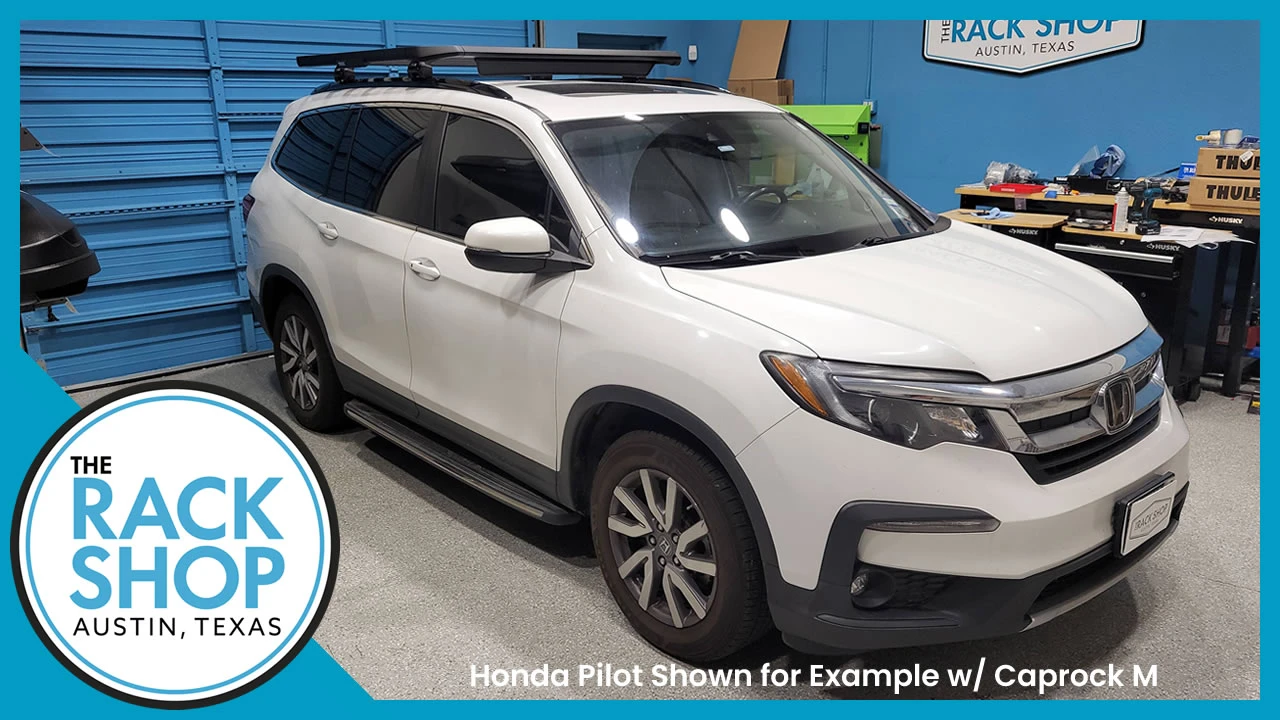
The Thule Caprock is a low-profile roof platform made for flexible cargo carrying. It combines the flat shape of a platform rack with the clean design that many Thule users expect.
The Caprock can carry items directly on the platform or work with compatible roof rack accessories. Its design aims to make daily use simple. You can use it for luggage one weekend and outdoor gear the next.
Thule also focuses strongly on fit, finish, and user experience. The platform tends to blend well with modern SUVs and crossovers. Its appearance is less work-truck focused than the Pioneer.
Strengths of the Caprock
The Caprock is a strong choice for drivers who want:
• A clean, low-profile roof setup
• Easy access to common cargo accessories
• A platform for road trips and light adventure
• Good integration with existing Thule products
• A modern appearance
• Less visual clutter when the rack is installed
The Caprock can work well for a family vehicle. It gives you more cargo space without making the roof look like a permanent expedition rig.
It also suits owners who already use Thule bike racks, ski racks, cargo boxes, or roof bars. Keeping products within one accessory family can make setup and storage easier.
Limits of the Caprock
The Caprock is not automatically better for extreme travel. Its real capacity depends on the vehicle, mounting kit, platform size, and accessory combination. A platform rack may look strong, but it still transfers force to the vehicle roof.
The accessory range may also feel less specialized for some off-road tasks. If you need several recovery board brackets, work lights, awnings, and unusual mounting points, the Pioneer may offer a more natural path.
The Caprock can be ideal for flexible use, but check accessory compatibility before buying. Some products may need adapters or a specific mounting channel.
Rhino-Rack Pioneer vs Thule Caprock: Design and Build Quality
Both platforms use aluminum construction to balance strength and weight. Aluminum also helps reduce corrosion risk compared with untreated steel. However, the finish, hardware, and fitting points matter as much as the main platform material.
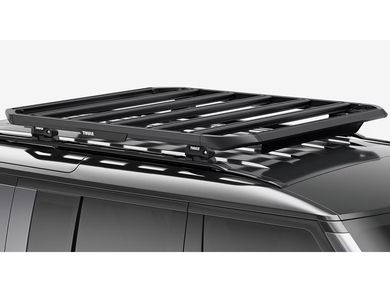
The Pioneer has a more rugged appearance. Its slats and mounting layout make it feel ready for tools, boxes, and outdoor equipment. It is often the better visual match for a 4×4, pickup, or overland build.
The Caprock has a smoother and more refined look. It can suit a newer SUV or crossover that spends most of its time on paved roads. The low profile may also reduce the visual impact of the rack when viewed from the side.
In the Rhino-Rack Pioneer vs Thule Caprock comparison, neither platform wins every design category. The Pioneer feels more adaptable for unusual loads. The Caprock feels more polished for mixed daily use.
Build quality also depends on installation. A quality platform can still develop noise or movement if bolts are loose, brackets are misaligned, or the roof mounts are not seated correctly. Check torque values during installation and again after the first few drives.

Load Capacity and Rooftop Tent Use
Load capacity needs careful attention because roof racks have two common ratings:
• Dynamic load: the weight the roof can carry while the vehicle is moving
• Static load: the weight the roof can carry while parked
Static capacity is often higher because the vehicle is not dealing with braking, cornering, bumps, or wind force. This matters for rooftop tents, where the tent, mattress, bedding, and people all add weight.
For the Rhino-Rack Pioneer vs Thule Caprock decision, do not compare platform ratings alone. Use the lowest rating among these parts:
- The vehicle roof
- The factory mounting points
- The fitting kit
- The platform
- The crossbars or feet
- The accessories
- The cargo
For example, a platform may have a high published capacity, but your vehicle roof may allow less. The vehicle limit controls the final safe load.
Rooftop tent owners should also consider leverage. A tent places weight above the roof and can create more force when the vehicle moves over rough ground. Follow both the rack maker’s instructions and the vehicle maker’s roof load guidance.
The Rhino-Rack Pioneer is often favored for tent and overland setups because of its broad platform and accessory options. The Thule Caprock can also work for suitable vehicles, but the complete tent and mounting setup must be approved for that use.
Accessory Compatibility
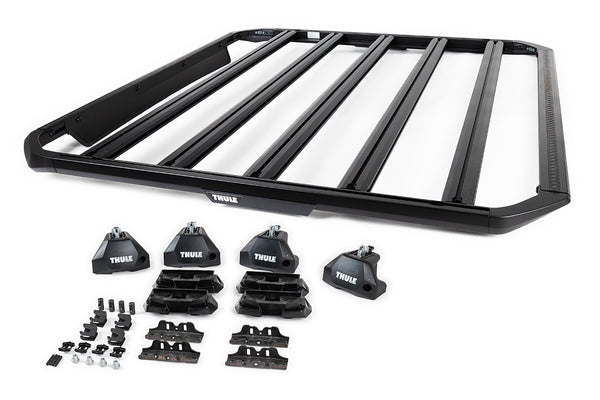
Accessory support is one of the biggest differences between the Rhino-Rack Pioneer vs Thule Caprock systems.
The Pioneer has a strong reputation in the adventure market. Owners can mount:
• Awning brackets
• Recovery board holders
• Shovel and axe mounts
• Jerry can holders
• Light bars
• Water storage systems
• Rooftop tents
• Kayak and bike carriers
• Cargo boxes and baskets
The Caprock supports many common cargo and sports accessories. It is especially attractive if you already own products from the same brand family. A familiar accessory system can save time and reduce the need for extra adapters.
Before buying, make a simple equipment list. Write down every item you may carry in the next three years, not only the items you own today. Then check how each item attaches to the platform.
This small step can prevent a costly mistake. Some buyers choose a platform based on appearance, then discover that their awning or recovery boards need special brackets.
The Rhino-Rack Pioneer vs Thule Caprock decision becomes easier when you think about the rack as a system. The platform is only the foundation. Brackets, mounts, feet, and cargo all shape the final result.
Installation and Everyday Use
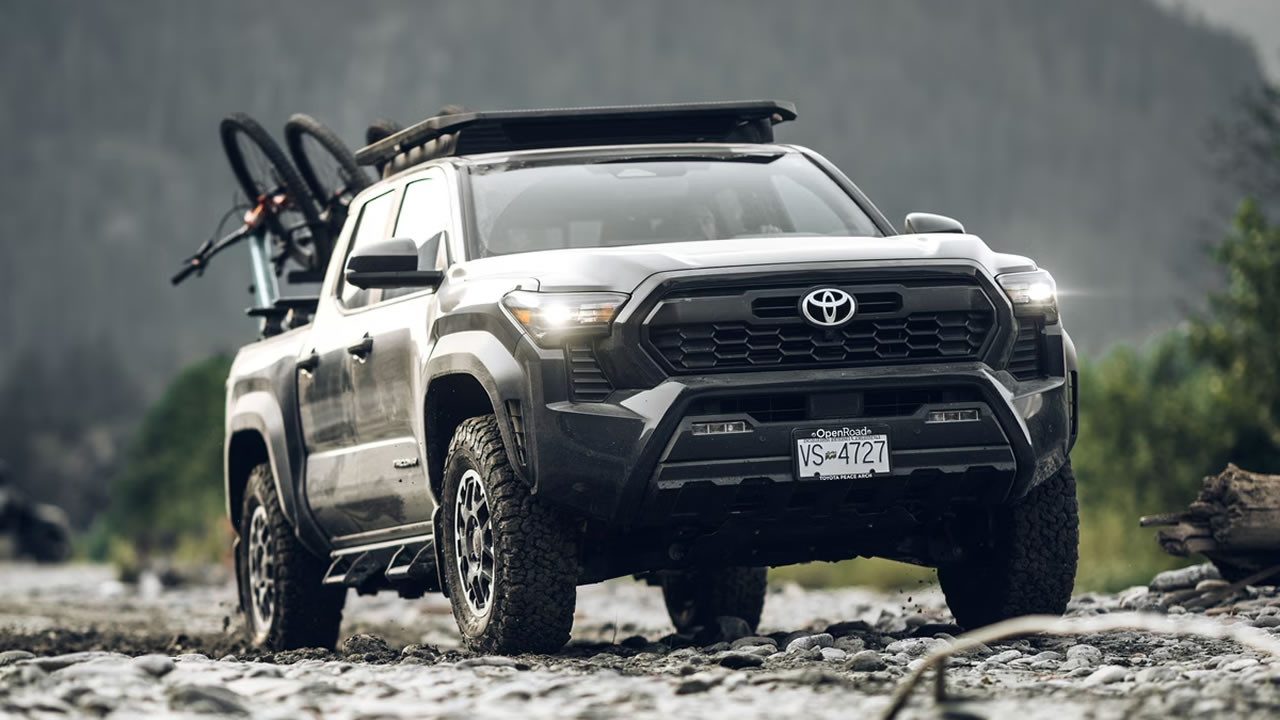
Installation time varies by vehicle. A platform that fits a factory roof rail may install differently from one that uses fixed mounting points or a track system.
The Caprock may appeal to owners who want a clean setup with fewer specialized parts. Thule products often place strong emphasis on clear fitment information and user-friendly assembly.
The Pioneer can take more planning, especially when you add several accessories. The reward is a highly configurable platform. The tradeoff is that you should take your time during the first installation.
A careful installation process looks like this:
- Confirm the exact vehicle year, body style, and roof type.
- Read the platform and vehicle fitting instructions.
- Lay out every part before starting.
- Protect the vehicle roof during assembly.
- Tighten fasteners in the correct order.
- Use the stated torque values.
- Check that the platform sits level.
- Test each accessory for movement.
- Recheck the hardware after the first trip.
In my product testing and fitment reviews, rushed installation has caused more trouble than weak hardware. Owners often skip the torque check or place an accessory too close to a hatch, sunroof, antenna, or roof-mounted sensor.
Measure twice before drilling or tightening anything. A few extra minutes can prevent paint damage and poor hatch clearance.
Wind Noise, Fuel Use, and Vehicle Height
A roof platform changes airflow. Even a low-profile system can create some wind noise. The amount depends on the vehicle shape, platform size, crossbars, fairing, and accessories.
A bare platform usually creates less noise than a platform loaded with baskets, boxes, lights, and recovery boards. Loose straps can also whistle at highway speed. Remove unused straps or secure them tightly.
Fuel use may rise slightly because the rack adds drag and weight. The difference varies by vehicle and speed. A tall SUV with a large platform and tent will usually feel the effect more than a small crossover with a light platform.
Vehicle height is another important point. Add the platform, feet, cargo box, or tent to the vehicle’s original height. Write the new height on a card inside the vehicle if you often use parking garages.
The Rhino-Rack Pioneer vs Thule Caprock comparison does not produce one universal winner for noise or fuel economy. A careful setup matters more than the logo on the platform.

Which Platform Is Better for Camping and Overlanding?
For serious camping and overlanding, the Pioneer usually has the stronger case. Its layout suits awnings, recovery gear, water containers, traction boards, and rooftop tents. It also matches the rugged look of many 4×4 builds.
The Caprock can still serve campers well. It may be a better choice for short trips, family travel, and mixed road use. If your trips include a tent, cooler, chairs, and a few bags, you may not need the full accessory depth of the Pioneer.
Think of the Pioneer as a workshop bench. You can attach many tools and build around it. Think of the Caprock as a clean travel shelf. It gives you useful space without asking you to design a full expedition setup.
Choose the Pioneer if you regularly:
• Travel on rough roads
• Carry recovery equipment
• Use an awning
• Plan to add more accessories
• Need a broad, flexible mounting surface
• Use your vehicle for work and adventure
Choose the Caprock if you mainly:
• Drive on paved roads
• Carry sports or travel gear
• Want a subtle roof system
• Already own compatible Thule products
• Prefer simple, clean equipment
• Use the rack only on selected trips
The Rhino-Rack Pioneer vs Thule Caprock choice should match your trips, not someone else’s build on social media.

Which One Is Better for Daily Driving?
The Thule Caprock often makes more sense for daily driving. Its clean profile and modern look can feel less intrusive on a family SUV. It can also provide extra cargo space for vacations without turning the vehicle into a dedicated adventure rig.
The Pioneer works for daily use too, especially on trucks and utility vehicles. However, its rugged appearance and wide accessory potential may be more than a city driver needs.
Daily users should think about:
• Garage clearance
• Car wash restrictions
• Ease of loading
• Noise at highway speeds
• Weight added to the roof
• Fuel use
• Hatch and sunroof clearance
• How often the rack will be removed
A common lesson from real-world rack use is that convenience matters. If the system is hard to load or remove, owners may stop using it. The best platform is one that fits your habits.
In the Rhino-Rack Pioneer vs Thule Caprock comparison, the Caprock generally has the edge for simple daily use. The Pioneer has the edge when daily use includes tools, work gear, or regular outdoor trips.
Price and Long-Term Value
The purchase price is only one part of the cost. You should also include:
• Vehicle-specific feet or mounting kits
• Platform brackets
• Wind fairings
• Cargo mounts
• Awning hardware
• Installation tools
• Replacement hardware
• Shipping and professional installation
The Pioneer may provide better long-term value for an owner who keeps adding outdoor equipment. Its broad ecosystem can reduce the need to replace the platform when your needs grow.
The Caprock may provide better value for a driver who wants a polished system for travel and light recreation. Paying for unused mounting options does not always make financial sense.
Prices change by vehicle and platform size. Promotions also vary by retailer and season. Compare complete system prices rather than platform prices alone.
A useful rule is to choose the system that can support your next major use. If you plan to add an awning and tent within a year, buy with that plan in mind. If you only need extra luggage space twice a year, a simpler setup may be wiser.
Rhino-Rack Pioneer vs Thule Caprock: Pros and Cons
Rhino-Rack Pioneer pros
• Strong fit for camping and overlanding
• Broad accessory support
• Flexible mounting layout
• Rugged appearance
• Useful for work and recreation
• Good base for future upgrades
Rhino-Rack Pioneer cons
• Installation can take more planning
• Full setups can become expensive
• The appearance may feel too rugged for some vehicles
• Added accessories can increase wind noise
• More parts mean more weight and maintenance
Thule Caprock pros
• Clean and modern appearance
• Good choice for daily driving
• Useful for travel and light adventure
• Strong integration with common Thule products
• Low-profile platform design
• Simple concept for new rack owners
Thule Caprock cons
• Some specialized off-road setups may need adapters
• Total capacity still depends on the vehicle roof
• Full accessory costs can add up
• It may offer less appeal for highly customized builds
• Compatibility must be checked for each accessory
The Rhino-Rack Pioneer vs Thule Caprock decision is not a battle between a good rack and a bad rack. It is a match between two different ownership styles.
How to Choose the Right Roof Platform
Use this process before you order.
1. Define your main use
Decide whether the rack is for luggage, sports gear, camping, work tools, or overlanding. The more specialized the cargo, the more important accessory support becomes.
2. Check the vehicle roof
Find the vehicle’s dynamic and static roof load limits. Check whether the vehicle has raised rails, flush rails, fixed points, or a bare roof.
3. Measure the platform area
A larger platform gives more room but may add weight, drag, and visual bulk. Do not choose the largest model simply because it fits.
4. List your accessories
Confirm the mount type for each item. Pay close attention to awnings, tents, light bars, boxes, and recovery boards.
5. Consider removal
If you remove the rack often, weight and handling matter. A large platform can be awkward for one person to lift.
6. Plan for future changes
Leave room for the gear you expect to buy. But avoid paying for a large system based on a vague future plan.
7. Compare the full installed cost
Include all brackets, feet, adapters, and professional labor. This gives you a more honest Rhino-Rack Pioneer vs Thule Caprock price comparison.
Safety and Maintenance Tips
A roof platform is part of the vehicle. Treat it with the same care as tires, brakes, and towing equipment.
Follow these habits:
• Keep the load below the lowest rated limit.
• Place heavy gear low and near the center.
• Balance weight from left to right.
• Use rated straps and suitable tie-down points.
• Check that cargo cannot slide or rotate.
• Inspect bolts after the first drive and after rough trips.
• Check for corrosion, cracks, and bent brackets.
• Keep cargo away from antennas, sensors, and sunroofs.
• Recheck clearance after adding a tent or box.
• Remove loose accessories before high-speed driving.
Never assume a higher static rating makes rough-road driving safe. Rough roads create shock loads that may exceed the simple weight sitting on the roof.
If you hear clicking, rattling, or new wind noise, stop and inspect the system. Small sounds often point to a loose fastener or moving accessory.
Frequently Asked Questions About Rhino-Rack Pioneer vs Thule Caprock
Is the Rhino-Rack Pioneer stronger than the Thule Caprock?
The Pioneer is generally positioned as the more rugged and adventure-focused platform. However, real strength depends on the platform size, mounting kit, vehicle roof, and total load rating.
Is Thule Caprock better for everyday use?
The Caprock can be better for everyday use because of its clean design and simple travel-focused setup. It is a strong fit for drivers who want extra cargo space without a highly customized off-road system.
Can both platforms support a rooftop tent?
Both may support a rooftop tent when the exact vehicle, platform, mounting hardware, and tent meet the required ratings. Always follow the current instructions for the complete system, not only the platform rating.
Which platform has more accessories?
The Pioneer usually has a stronger range of specialized overlanding and work accessories. The Caprock offers useful compatibility with many common cargo and sports products, especially within the Thule ecosystem.
Which roof platform is quieter?
Neither platform guarantees silent driving. Wind noise depends on the vehicle, platform size, fairing, crossbars, cargo, and installation quality.
Can I install either platform myself?
Many owners can install these systems with basic tools and careful preparation. Complex vehicle fitments or heavy platforms may be safer with professional installation.
Does a roof platform reduce fuel economy?
It can increase aerodynamic drag and vehicle weight, which may reduce fuel economy slightly. The effect is usually greater with tall accessories, cargo boxes, recovery boards, or rooftop tents.
How do I decide between the Rhino-Rack Pioneer vs Thule Caprock?
Choose the Pioneer for rugged use, many accessories, and future overland upgrades. Choose the Caprock for a clean daily setup, travel use, and easy integration with common Thule gear.
Conclusion
The Rhino-Rack Pioneer vs Thule Caprock comparison reveals two capable platforms with different strengths. The Pioneer is the better fit for rugged travel, work use, rooftop camping, and deep accessory customization. The Caprock is often the better choice for daily driving, family travel, and owners who want a clean, flexible roof system.
Start with your vehicle’s roof rating and your real cargo list. Then compare the complete installed system, not just the platform price. Make your choice based on how you drive today and what you realistically plan to carry next.
Check current fitment details, measure your vehicle height, and review every load limit before ordering. If this comparison helped, explore more roof rack guides or share your platform choice in the comments.