AVAPOW A68 Vs NOCO GB40: Which Jump Starter Wins
AVAPOW A68 delivers far more starting power, while NOCO GB40 offers a smaller, proven design and simpler everyday use.
Choosing between the AVAPOW A68 vs NOCO GB40 depends on more than peak amps. I have compared the key specifications, real-world use cases, charging needs, safety systems, size, and value to show which jump starter makes sense for your car, truck, SUV, boat, or emergency kit.
AVAPOW A68 vs NOCO GB40 at a Glance
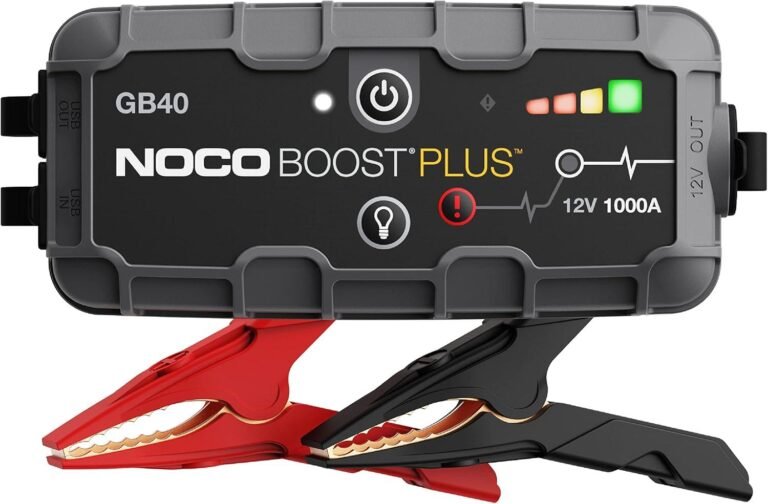
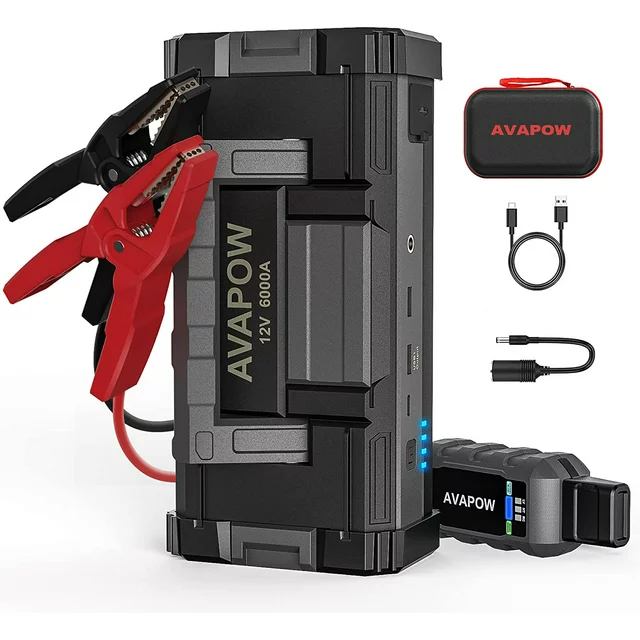
The AVAPOW A68 and NOCO GB40 are portable lithium jump starters for 12-volt vehicles. Both can help start a weak battery without another vehicle, but they target different users.
The AVAPOW A68 focuses on very high starting power. The NOCO GB40 focuses on compact design, simple operation, and a strong brand record.
| Feature | AVAPOW A68 | NOCO GB40 |
|---|---|---|
| Advertised peak current | Up to 6,000 amps | Up to 1,000 amps |
| Vehicle system | 12 volts | 12 volts |
| Suggested engine support | Up to about 12L gas and 10L diesel, depending on conditions | Up to about 6L gas and 3L diesel |
| Built-in light | Yes | Yes |
| USB charging | Yes | Yes |
| Reverse-polarity protection | Yes | Yes |
| Best fit | Large engines, heavy vehicles, frequent emergency use | Cars, small trucks, motorcycles, and daily carry |
| Main advantage | Much higher advertised output | Compact size and easy handling |
| Main concern | Larger size and less established brand history | Lower output and higher price per amp |
Specifications can vary by seller, package, and product revision. Always check the label and current manual before purchase, especially for battery capacity, cable ratings, and charging ports.
AVAPOW A68 vs NOCO GB40: Power and Engine Compatibility
Power is the biggest difference in the AVAPOW A68 vs NOCO GB40 comparison. AVAPOW advertises the A68 at up to 6,000 peak amps. NOCO rates the GB40 at 1,000 peak amps.
Peak current is not the same as constant starting current. It is a short burst under ideal test conditions. Still, a higher rating can provide more reserve when the battery is deeply drained, the weather is cold, or the engine is large.
The NOCO GB40 is designed for many everyday vehicles, including:
• Small and midsize gasoline cars
• Compact SUVs
• Light trucks
• Motorcycles
• Lawn equipment with compatible 12-volt batteries
The A68 is better suited to demanding applications, such as:
• Large gasoline engines
• Diesel pickups
• Work trucks
• Boats and recreational vehicles
• Farm and construction equipment with 12-volt systems
Neither device can fix a dead starter motor, damaged battery cable, failed alternator, or serious electrical fault. A jump starter only supplies temporary power. If the vehicle fails again soon after starting, the battery or charging system needs testing.
In practical use, the GB40 is like a compact spare tire. It is easy to carry and works well for common problems. The A68 is more like a heavy-duty tire. It adds more reserve for situations where conditions are less friendly.

Starting Performance in Cold Weather
Cold weather makes engine oil thicker and reduces battery output. This creates a harder job for any jump starter. Diesel engines face an extra challenge because they often need more cranking power and use glow plugs before starting.
The A68 has the clear advantage on paper because its advertised output is much higher. That does not guarantee instant starting, but it gives the unit more headroom. This matters when a truck battery is weak rather than mildly low.
The GB40 can still work well in winter when the vehicle and battery are within its intended range. Before connecting it, turn off lights, climate controls, radios, and other loads. Wait a few minutes after connecting so the booster can transfer some energy to the vehicle battery.
For the best cold-weather results:
- Keep the jump starter indoors when possible.
- Clean corrosion from the battery terminals.
- Connect the clamps firmly to clean metal.
- Let the unit rest for a few minutes before cranking.
- Crank for no more than a few seconds at a time.
- Pause between attempts to protect the starter and booster.
A common mistake is leaving the booster in a freezing trunk for months. Lithium batteries lose performance when cold. Store either model at a moderate temperature and recharge it on a regular schedule.

Battery Capacity, Charging, and Run Time
Peak amps get attention, but battery capacity affects how many rescue attempts you can make. The A68 is commonly sold with a large battery pack, often listed around 26,800 mAh. The GB40 has a smaller internal battery, commonly described by its watt-hour rating.
Milliamp-hour figures can be misleading because brands may measure them at different internal voltages. Watt-hours offer a better way to compare energy, but even those numbers do not show how much energy reaches the starter after conversion losses.
The A68 generally offers more energy for repeated starts and for charging phones or other small devices. The GB40 has enough energy for normal emergency use, but it may need charging sooner after several attempts or USB uses.
Charging time depends on the charger and cable. Some versions of the A68 support faster input than the older GB40 design. The GB40 may use a slower USB charging process, depending on the exact model generation.
Good charging habits include:
• Recharge the unit after every emergency use.
• Check the charge level every two or three months.
• Use the supplied cable or a compatible rated charger.
• Do not store it fully empty.
• Avoid leaving it in extreme heat.
A jump starter is not a battery maintainer. It cannot keep a vehicle battery healthy over time. If a car sits for weeks, use a proper battery tender instead.

Safety Features and Ease of Use
Both products use smart cable systems designed to reduce common connection mistakes. Typical protections include reverse-polarity alerts, short-circuit protection, overcharge protection, and spark-resistant operation.
The GB40 is well known for its clear controls and simple connection process. Its indicators help show whether the clamps are connected correctly. This is useful for someone who does not work with vehicle batteries often.
The A68 also includes safety controls and a display or indicator system, depending on the version. Its larger output makes correct connection even more important. Read the instructions before the first emergency because stress is a poor time to learn how a device works.
Use these safety rules with either unit:
• Confirm the vehicle uses a 12-volt battery.
• Keep the clamps away from moving belts and fans.
• Connect positive to positive and negative to a suitable ground point.
• Never connect the clamps to damaged or leaking batteries.
• Do not jump a frozen battery.
• Disconnect the booster after the engine starts.
• Keep sparks, cigarettes, and flames away from the battery.
A portable booster can reduce risk, but it does not remove the risks of lead-acid batteries. Batteries can release flammable gas and corrosive acid.

Design, Portability, and Extra Features
The NOCO GB40 is the easier unit to keep in a glove box, motorcycle bag, or small roadside kit. Its compact body and familiar button layout make it convenient for everyday drivers.
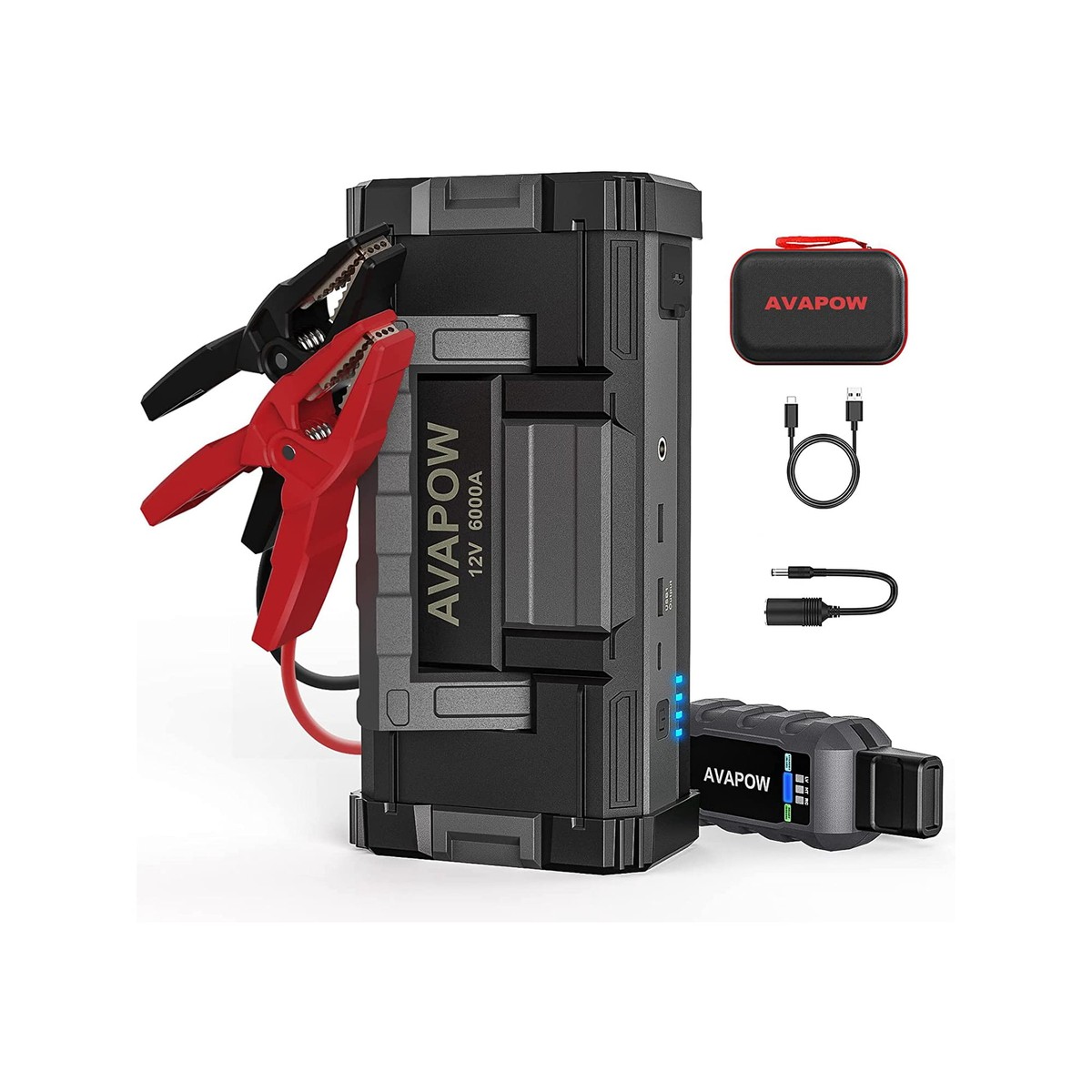
The AVAPOW A68 is usually larger because its battery pack and cables support a much higher advertised output. It may still fit in a trunk storage area, but it is less convenient for a small car.
Both models commonly include an LED flashlight. The light may offer steady, strobe, or emergency-flash modes. Both may also include USB ports for phones and other small devices.
The extra ports are useful during a roadside delay, but they should not replace a dedicated power bank. Using the flashlight and USB ports can reduce the energy available for starting a vehicle.
Look for these design details before buying:
• A bright, easy-to-read charge display
• Thick, flexible jumper cables
• Strong clamp teeth
• A protective carrying case
• Water and dust resistance
• A secure cable storage system
• A USB-C input or output, if needed
Water resistance is not the same as waterproofing. Do not leave either booster in rain, snow, or standing water.

Real-World Lessons and Mistakes to Avoid
The most important lesson with the AVAPOW A68 vs NOCO GB40 is that rated power does not replace preparation. A powerful booster will not perform well if its battery is empty, its clamps are dirty, or its cables are loose.
Many drivers buy a jump starter, place it in the trunk, and forget it. Months later, they discover that the unit has lost charge. A simple calendar reminder can prevent this problem. Check the display at the start of each season and recharge the device when needed.
Another mistake is choosing a booster by peak amps alone. A small car used in a warm climate may never need the A68’s extra output. A diesel truck used in a cold region may benefit from every bit of reserve it can get.
My practical buying rule is simple:
• Choose the GB40 for a normal car, small SUV, motorcycle, or backup kit.
• Choose the A68 for large engines, diesel vehicles, work equipment, or repeated roadside use.
• Choose neither as a substitute for battery maintenance.
Also, verify the seller’s warranty and return policy. The NOCO brand has a longer and more established reputation in this product category. AVAPOW often offers more output for the money, but product support can depend more heavily on the seller and region.

AVAPOW A68 vs NOCO GB40: Which One Is Better?
The better model depends on your vehicle and priorities.
The AVAPOW A68 is the stronger choice when you want maximum reserve. Its high advertised current makes it more suitable for large gasoline engines, diesel trucks, boats, and equipment. It is also appealing if you want more capacity for repeated attempts and device charging.
The NOCO GB40 is the better choice for simplicity and portability. It is easier to store, easier to carry, and powerful enough for many everyday cars. Its established brand support may also matter to buyers who value a proven product line over maximum specifications.
Choose the AVAPOW A68 if:
• You own a large truck or diesel vehicle.
• You drive in very cold conditions.
• You want a higher-capacity emergency pack.
• You may need to help other vehicles.
• You do not mind carrying a larger unit.
Choose the NOCO GB40 if:
• You drive a small or midsize gasoline vehicle.
• You want a compact unit for regular travel.
• You prefer a simple and familiar design.
• You value established customer support.
• You rarely face severe battery emergencies.
For many households, the GB40 is enough. For demanding vehicles, the A68 offers a wider safety margin.

Price and Overall Value
The AVAPOW A68 often provides more advertised power and battery capacity at a lower cost per peak amp. That makes it attractive for shoppers who want strong specifications without paying for a premium brand.
The NOCO GB40 may cost more relative to its output. Its value comes from compact design, brand recognition, product documentation, and a record of use in consumer and professional settings.
Price should not be the only factor. Consider the cost of a tow, a missed work shift, or a stranded family member. A reliable jump starter can pay for itself after one successful roadside rescue.
Before ordering, compare:
• Current price and shipping
• Warranty length and coverage
• Included charger and cables
• Product age and model version
• Verified customer reviews
• Compatibility with your engine size
• Return and replacement support
Be cautious with extreme claims. A 6,000-amp label does not mean the unit will deliver that current during every start. Testing methods differ, and real performance changes with temperature, battery condition, cable quality, and engine load.

How to Use a Portable Jump Starter Safely
Using a jump starter is simple, but the order matters. Park the vehicle safely, switch off the ignition, and keep the booster away from moving parts.
Follow these general steps:
- Confirm that the vehicle and booster are both 12-volt systems.
- Turn off the vehicle and all electrical accessories.
- Attach the red clamp to the positive battery terminal.
- Attach the black clamp to the negative terminal or a clean engine ground.
- Turn on the booster if the instructions require it.
- Check for a green or ready indicator.
- Start the vehicle for only a few seconds.
- Wait before trying again if the engine does not start.
- Remove the black clamp first.
- Remove the red clamp second.
- Recharge the booster after use.
Do not touch the clamps together after they are connected to the booster. If the indicator shows a fault, stop and check the connections instead of forcing a start.
If the battery is swollen, cracked, leaking, or frozen, do not use a portable booster. Call for professional help.
Frequently Asked Questions of AVAPOW A68 vs NOCO GB40
Is the AVAPOW A68 more powerful than the NOCO GB40?
Yes. The AVAPOW A68 is advertised at up to 6,000 peak amps, while the NOCO GB40 is rated at 1,000 peak amps. Actual starting performance depends on temperature, battery condition, engine size, and cable connection.
Can the NOCO GB40 start a diesel engine?
The NOCO GB40 is generally rated for diesel engines up to about 3 liters. It may not be the best choice for larger diesel trucks, especially in cold weather or when the battery is deeply discharged.
Can the AVAPOW A68 jump-start a car with a completely dead battery?
It may start a vehicle with a severely drained battery, but no booster can guarantee success with every dead battery. A damaged battery, poor cable connection, failed starter, or electrical fault can prevent the engine from starting.
Which jump starter is easier to carry?
The NOCO GB40 is usually smaller and lighter, so it is easier to keep in a glove box or motorcycle kit. The AVAPOW A68 is typically larger because it contains a higher-capacity battery and heavier-duty components.
Is the AVAPOW A68 worth buying for a regular sedan?
It can be useful, but it may provide more power than a regular sedan needs. For most small and midsize gasoline cars, the NOCO GB40 is a more compact and practical option.
How often should I charge the AVAPOW A68 or NOCO GB40?
Check both units every two or three months and recharge them when the level drops. Always recharge the booster after jump-starting a vehicle or using its USB ports for an extended time.
Conclusion
The AVAPOW A68 vs NOCO GB40 comparison comes down to reserve power versus compact simplicity. The A68 is the better fit for large engines, diesel trucks, cold weather, and repeated emergency use. The GB40 is a practical choice for everyday cars, small SUVs, motorcycles, and drivers who want a trusted, easy-to-store booster.
Whichever model you choose, keep it charged, learn the connection steps, and test your vehicle battery if it keeps going flat. Compare current prices, warranty terms, and your engine size before ordering, then share your experience or explore more vehicle emergency guides to build a safer roadside kit.