How Often Should You Change Jeep Engine Oil?
Figuring out how often to change your Jeep's engine oil isn't as straightforward as you might think. The precise answer hinges on a few key factors specific to your vehicle and how you drive it, moving beyond a simple mileage number. Get this right, and you’re investing in your Jeep’s longevity and performance for years to come.
Manufacturer specifications often point to intervals between 5,000 and 10,000 miles, but our research shows that driving habits and conditions can dramatically alter that range. This guide breaks down what those variables mean for you and your Jeep, helping you nail down the perfect schedule.
How Often Should You Change Jeep Engine Oil?
In our research, Jeep engine oil changes are generally recommended every 7,500 to 10,000 miles for typical driving conditions, or every 6 months, whichever comes first. However, for severe driving conditions like frequent short trips, towing, or off-roading, this interval can drop significantly to as low as 5,000 miles. Always consult your specific Jeep owner's manual for the most accurate guidance, as model year and engine type play a crucial role.
Why "It Depends" is the Real Answer for Your Jeep
Many drivers look for a single number when it comes to oil changes, but for a vehicle like a Jeep, which is often used in varied environments, that’s not quite how it works. The complexity comes down to how your Jeep's engine operates under different demands. Manufacturer specifications from Jeep, for instance, outline distinct service intervals based on these differing operational stresses.
Your driving style is a huge factor. If your Jeep spends most of its life on open highways, the oil stays at a stable, high temperature, which is less taxing. On the flip side, constant stop-and-go city traffic or frequent short trips mean the engine cools down and heats up repeatedly.
This cycle creates more contaminants and moisture within the oil, accelerating its degradation and reducing its effectiveness.
Understanding "Normal" vs. "Severe" Driving for Jeeps
Vehicle manufacturers, including Jeep, often categorize driving into "normal" and "severe" conditions. This distinction is critical because it directly impacts how quickly your engine oil breaks down and needs replacing. Most Jeep owners, especially those who use their vehicles for more than just casual commuting, likely experience conditions that fall under the "severe" category.
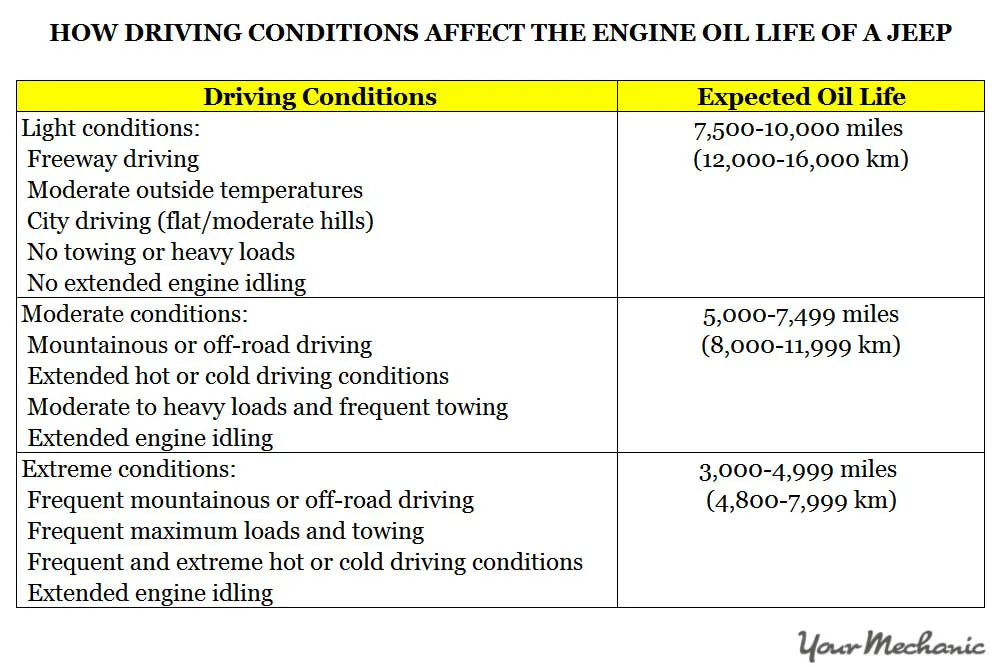
Image source: Bing (Web (fair-use with source credit))
- Normal Driving: This usually involves consistent, moderate speeds on highways or open roads, with minimal idling. Your Jeep's engine typically reaches and maintains optimal operating temperature for extended periods. This type of driving is the least stressful on your engine oil.
- Severe Driving: This encompasses a much broader range of conditions that put more strain on your engine and oil. It includes:
- Frequent short trips (under 10 miles), especially in cold weather, where the engine doesn't fully warm up.
- Extensive idling or slow-speed driving, common in heavy city traffic.
- Driving in dusty, muddy, or extreme temperatures (very hot or very cold).
- Towing trailers or carrying heavy loads for prolonged periods.
- Participating in off-road activities or intense trail use.
If your typical week includes any of these scenarios, you should adhere to the more frequent oil change recommendations for severe driving. Neglecting this can lead to premature wear and reduced engine lifespan.
How Your Jeep's Model Year and Engine Matter
Jeep has been producing vehicles for decades, and its engine technology has evolved significantly. Newer models often feature more advanced engine designs and lubrication systems that can influence oil change intervals. For example, many modern Jeeps are engineered to use synthetic oil, which offers superior protection and longevity compared to conventional oil.
The specific engine under the hood of your Jeep is also a key determinant. A 3.6L Pentastar V6 might have different oil requirements and recommended change intervals than a smaller 2.0L turbocharged inline-4 or a robust V8 found in certain high-performance trims. Always refer to the technical specifications for your particular Jeep model and engine.
For instance, the API SP standard for engine oil, as of 2026, represents the latest in gasoline engine oil performance, designed for improved efficiency and protection, which is often utilized in newer Jeep engines.
Image source: Web (Bing) / cargarageexpert.com (Web image (fair-use with source credit))
Your Jeep's Owner's Manual: The Ultimate Oil Change Guide
Your Jeep's owner's manual isn't just a booklet of instructions; it's the definitive guide tailored specifically to your vehicle's needs. This document is prepared by the engineers and designers at Jeep, who have the most intimate knowledge of your engine's lubrication requirements. It provides the most accurate and reliable information regarding oil type, viscosity, and, crucially, the recommended oil change intervals.
Within the manual, you'll typically find schedules outlined for both "normal" and "severe" driving conditions. It’s vital to be honest with yourself about how you use your Jeep. If you frequently engage in activities like towing, off-roading, or extensive city driving with lots of stop-and-go traffic, you should follow the severe service schedule.
This often means changing your oil and filter more frequently, potentially every 5,000 miles, rather than the 7,500 to 10,000 miles suggested for less demanding use. Adhering to these manufacturer recommendations is essential for maintaining warranty coverage and ensuring your Jeep's engine operates at its peak for the longest possible time.
Deciphering Your Jeep's Oil Life Monitoring System
Modern Jeeps are equipped with sophisticated oil life monitoring systems designed to take the guesswork out of oil changes. These systems don't just rely on a simple mileage or time counter; they actively calculate your oil's remaining life based on a variety of real-time driving factors. This advanced technology continuously analyzes your driving patterns, engine temperature, load, and speed to provide a more accurate assessment of your oil's condition.
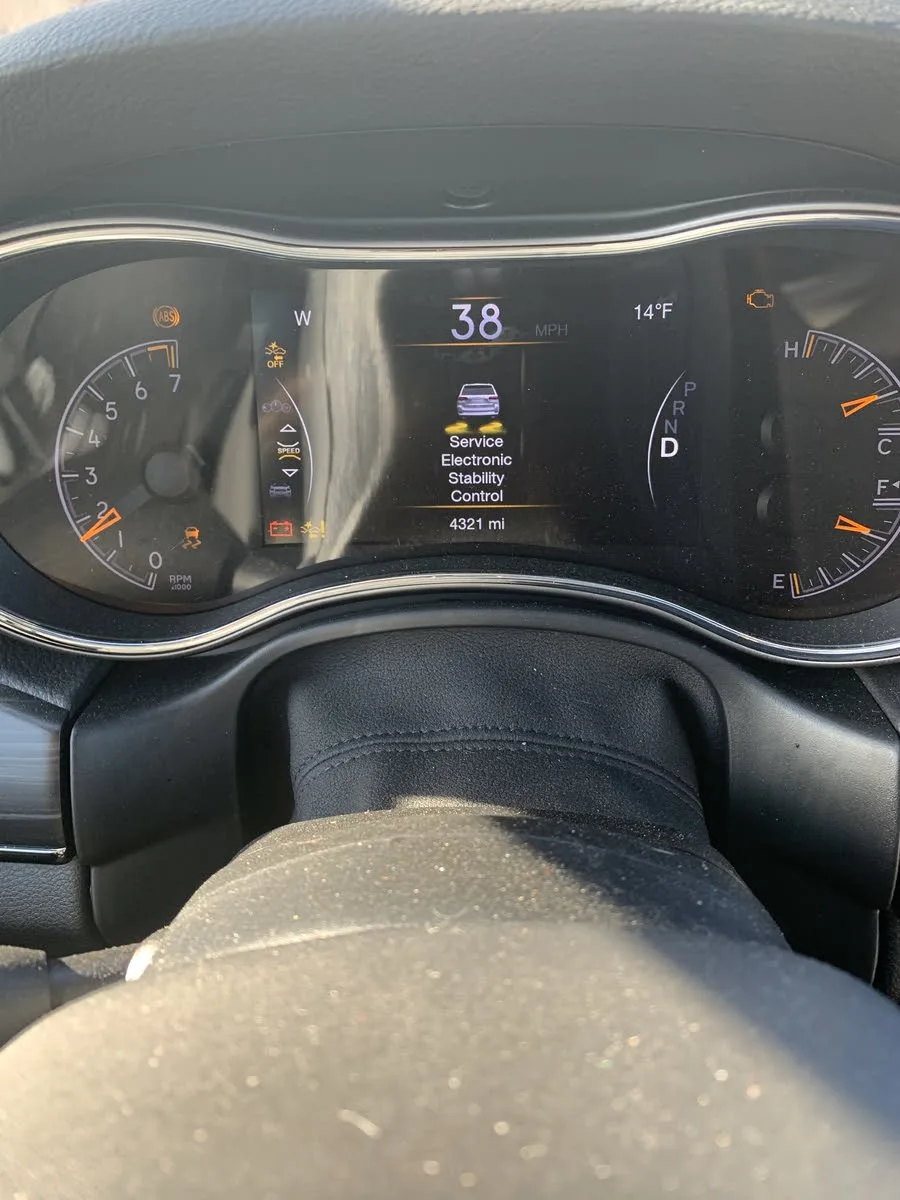
Image source: Bing (Web (fair-use with source credit))
When your Jeep's oil life monitor indicates it's time for a change, it typically displays a message on the dashboard, such as "Oil Change Required." It's important to act on this notification promptly. After performing the oil change service, the system needs to be reset to begin tracking the new oil's life cycle. Failure to reset the system can lead to inaccurate future readings and potentially missed essential maintenance.
This system is a valuable tool that helps optimize your maintenance schedule, ensuring you change your oil when it's truly needed, not just based on a fixed calendar or odometer reading.
What Oil Type is Best for Your Jeep?
Choosing the right engine oil for your Jeep is critical, and your owner's manual is the definitive source for this information. Jeep vehicles are often factory-filled with either conventional oil, a synthetic blend, or a full synthetic oil, depending on the model year and engine. Full synthetic oils, for example, offer superior protection against extreme temperatures and can extend drain intervals, but they come at a higher price point.
Conventional oil is typically the least expensive option and is suitable for less demanding driving conditions and older Jeep models that were designed for it. A synthetic blend offers a middle ground, providing better protection and performance than conventional oil, but is usually less expensive than full synthetic. Always check the API (American Petroleum Institute) service rating and viscosity grade (like 5W-30 or 0W-20) specified in your manual.
Using oil that doesn't meet these exact specifications can void your warranty and potentially harm your engine over time.
Conventional vs. Synthetic: Which is Right for Your Jeep?
- Conventional Oil: This is the most basic type of engine oil. It's refined from crude oil and is generally less expensive. It's suitable for older Jeep models or those with less demanding driving needs, as specified in the owner's manual. Its performance can degrade more quickly in extreme temperatures.
- Synthetic Blend Oil: This option offers a mix of conventional and synthetic base oils. It provides better protection and performance than conventional oil, especially in terms of oxidation and deposit control, but is usually less expensive than full synthetic. It's a good compromise for many Jeep owners who encounter a mix of driving conditions.
- Full Synthetic Oil: This is the most advanced and highest-performing option. It's engineered in a lab for superior lubrication, extreme temperature protection, and extended drain intervals. Many modern Jeep engines, particularly those designed for higher performance or efficiency, require or recommend full synthetic oil. If your manual specifies synthetic, it's best to stick with it for optimal engine health.
Expert Tips for Optimizing Your Jeep's Oil Changes
To truly maximize the benefits of your oil changes, consider a few extra steps beyond just draining and refilling. Regularly checking your oil level between scheduled changes is a simple yet effective practice. This allows you to catch potential leaks or oil consumption issues early, before they cause serious damage.
Most Jeep dipsticks are easily accessible, and the process takes only a minute.
Another often-overlooked aspect is the oil filter. Always replace the oil filter during an oil change. The filter traps dirt and debris, and a clogged filter can restrict oil flow, starving your engine of essential lubrication.
Using a high-quality filter specifically designed for your Jeep model is just as important as using the correct oil. Furthermore, when you get your oil changed, ask your mechanic to inspect for any oil leaks or unusual wear patterns on engine components. This proactive approach can help identify and address minor issues before they become major, costly repairs.
Beyond the Oil Change: Proactive Jeep Maintenance
- Regular Oil Level Checks: Aim to check your oil level at least once a month, or before any long road trip. Ensure the engine has been off for a few minutes to allow the oil to settle.
- Always Replace the Oil Filter: A new filter ensures your fresh oil stays clean and your engine is properly protected.
- Inspect for Leaks: While the hood is up, visually inspect around the oil drain plug and oil filter for any signs of fresh oil seepage.
- Consider Extended Life Oils (If Specified): If your owner's manual permits, using a full synthetic oil designed for extended life can allow for longer intervals between changes, potentially saving you time and money, provided you follow the manual's guidelines precisely.
- Record Your Maintenance: Keep a log of all oil changes, including the date, mileage, type of oil used, and filter number. This is invaluable for tracking your Jeep's service history and for resale purposes.
Frequently Asked Questions About Jeep Oil Changes
When should I reset my Jeep's oil life monitor?
You should reset your Jeep's oil life monitor immediately after completing an oil change. If the "Oil Change Required" message is displayed, you'll typically need to turn the ignition key to the ON position (without starting the engine) and then press and hold the accelerator pedal fully to the floor for about 30 seconds until the message disappears. Consult your owner's manual for the exact procedure for your specific Jeep model.
Can I use a different weight oil if I can't find the recommended one?
It’s strongly advised against using a different oil viscosity than what your Jeep owner's manual specifies. The recommended oil weight is carefully chosen by engineers to ensure proper lubrication and performance across the engine's operating temperature range. Using a different weight can lead to inadequate protection, especially in extreme heat or cold, potentially causing engine damage and voiding your warranty.
Always stick to the manufacturer’s recommended grade.
How often should I change my Jeep's oil if I only drive it occasionally?
Even if you don't drive your Jeep very often, the oil can still degrade over time due to oxidation and moisture accumulation. Manufacturer guidelines typically recommend an oil change at least once a year, regardless of mileage. If your Jeep sits for extended periods, it's still best practice to change the oil annually to ensure the engine is protected by fresh lubricant.