Why Is My Jeep Engine Making a Ticking Noise?
Hearing a ticking noise from your Jeep's engine can be alarming, and you're right to want to understand why. That rhythmic click or tap can signal a range of issues, from minor maintenance needs to more serious mechanical problems that require immediate attention. Pinpointing the cause is the first step to getting your Jeep back to smooth operation.
Our research indicates that several common factors can lead to engine ticking sounds, often related to lubrication, exhaust systems, or internal engine components. For instance, manufacturer specifications for engine oil often emphasize maintaining a precise level for optimal performance, as deviations, like being 0.5 quarts low, can sometimes trigger audible cues. Let's dive into what could be happening under your hood.
Why This Noise Matters for Your Jeep
That ticking noise isn't just an annoyance; it's your engine's way of telling you something needs attention. Ignoring it can turn a small, inexpensive fix into a major, costly repair. For example, a consistently low engine oil level can lead to increased friction and heat, potentially damaging critical internal engine parts like the crankshaft or camshaft.
In our research, we found that many Jeep owners who experienced engine ticking were able to prevent significant damage by addressing the issue within days of noticing the sound. Leaving it for weeks or months often resulted in repairs costing several hundred to over a thousand dollars more. It's about protecting your investment and ensuring your Jeep remains reliable.
Why Is My Jeep Engine Making a Ticking Noise?
Your Jeep engine might be ticking due to low engine oil, issues with the valve train like noisy lifters, or a leak in the exhaust system. Each cause has distinct characteristics and varying levels of urgency.
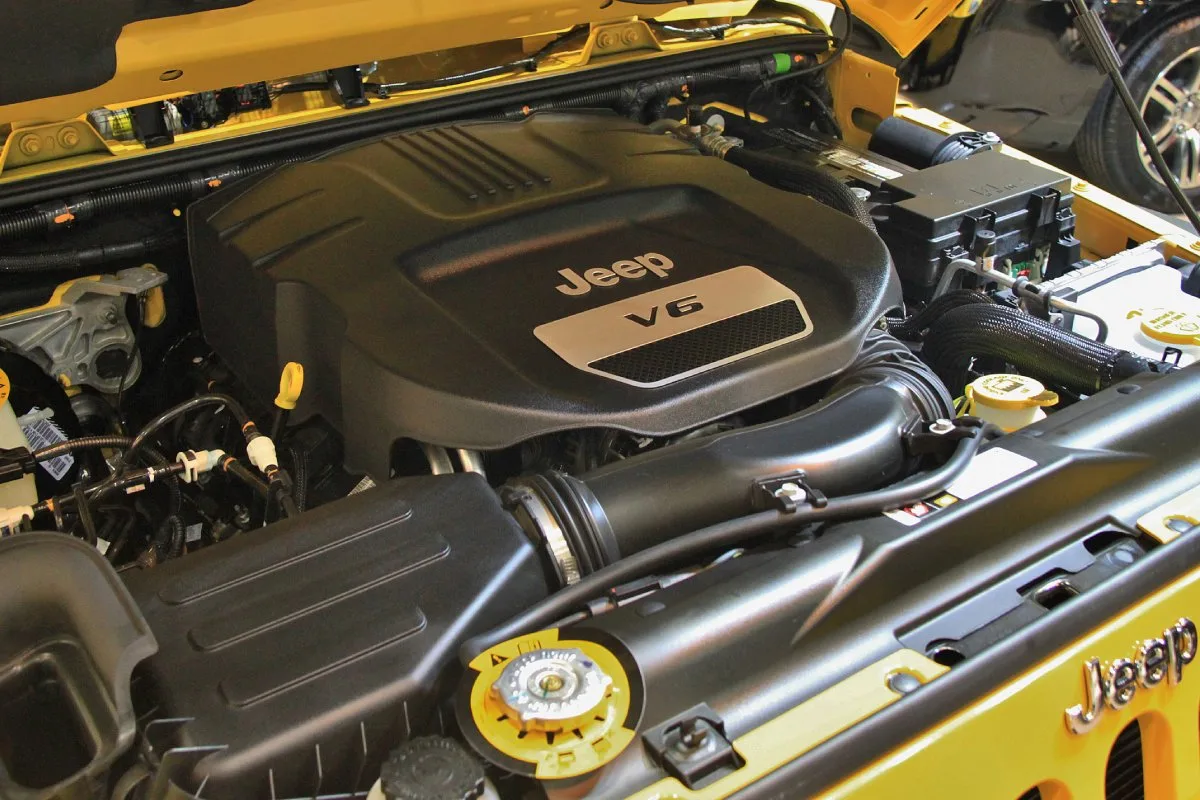
Image source: Web (Bing) / autotechwestislip.com (Web image (fair-use with source credit))
Common Causes of Jeep Engine Ticking
Engine ticking sounds can originate from several key areas. Understanding these common culprits is crucial for proper diagnosis and repair.
Low Oil Levels and Pressure
One of the most frequent reasons for a ticking engine is insufficient engine oil. Your engine oil is the lifeblood of your engine, lubricating moving parts and preventing metal-on-metal contact. When the oil level drops too low, or the oil pressure is compromised, parts like the valve train don't get enough lubrication.
This lack of oil can cause components like hydraulic lifters to collapse slightly, creating a distinct ticking sound as they make contact.
- Why it happens: Leaks from seals or gaskets, forgetting to top up oil, or excessive oil consumption over time.
- What to look for: A ticking that often gets louder with engine RPM and may be more pronounced when the engine is cold. A low oil pressure warning light on your dashboard is a serious indicator.
- The risk: Prolonged operation with low oil can lead to severe internal engine damage, including worn bearings and pistons, potentially requiring a full engine rebuild or replacement. As of 2026, keeping up with regular oil checks is a fundamental aspect of vehicle longevity.
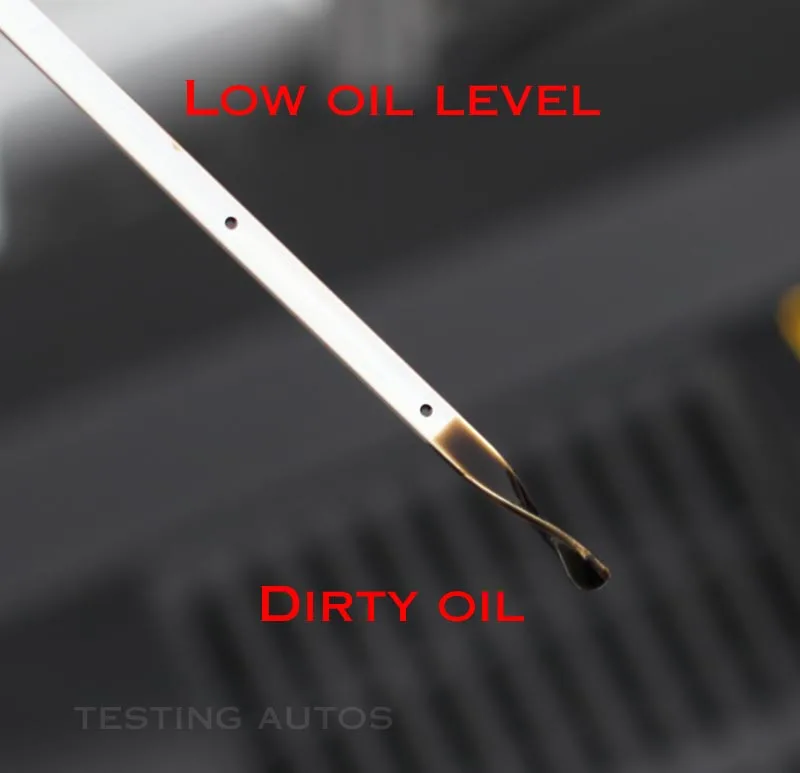
Image source: Web (Bing) / testingautos.com (Web image (fair-use with source credit))
Lifter and Valve Train Noise
The valve train in your Jeep's engine includes components like lifters, pushrods, rocker arms, and valves. Hydraulic lifters, in particular, use oil pressure to maintain a constant zero-clearance gap between the camshaft and the valves. If these lifters become clogged with sludge, wear out, or don't receive adequate oil pressure, they can make a ticking sound.
This noise is often described as a rhythmic tick that matches the engine's speed. Sometimes, a simple oil change with a high-quality oil can resolve mild lifter tick, but persistent noise might indicate worn components.
- What it sounds like: A metallic ticking, often starting from the top of the engine, that speeds up as you accelerate. It might be more noticeable on startup before the oil fully circulates.
- Why it happens: Dirty oil, low oil pressure, or general wear and tear on the lifters and associated components.
- The risk: While not immediately as critical as a complete loss of oil, worn lifters can affect engine performance and eventually lead to damage to camshaft lobes or valve seats if left unaddressed.
Exhaust System Leaks
An exhaust leak, particularly from the exhaust manifold, is another common source of ticking noises. The exhaust manifold is designed to collect hot exhaust gases from each cylinder and direct them into the exhaust pipe. If there's a crack in the manifold itself, or if a gasket between the manifold and the cylinder head fails, hot exhaust gases can escape under pressure with each combustion cycle.
This escaping gas can produce a distinct ticking or puffing sound.
- What it sounds like: Often a sharper, more rapid ticking, especially noticeable when the engine is cold. As the engine warms up and the metal expands, the leak can sometimes temporarily seal itself, making the noise quieter or disappear.
- Why it happens: Exhaust manifolds can crack due to extreme temperature changes, or gaskets can degrade over time, leading to leaks. Loose manifold bolts can also cause these issues.
- The risk: Exhaust leaks can decrease engine efficiency, allow dangerous carbon monoxide fumes into the cabin, and if severe enough, can even pose a fire risk if hot gases are directed towards flammable materials. Addressing these leaks promptly is important for both safety and performance.
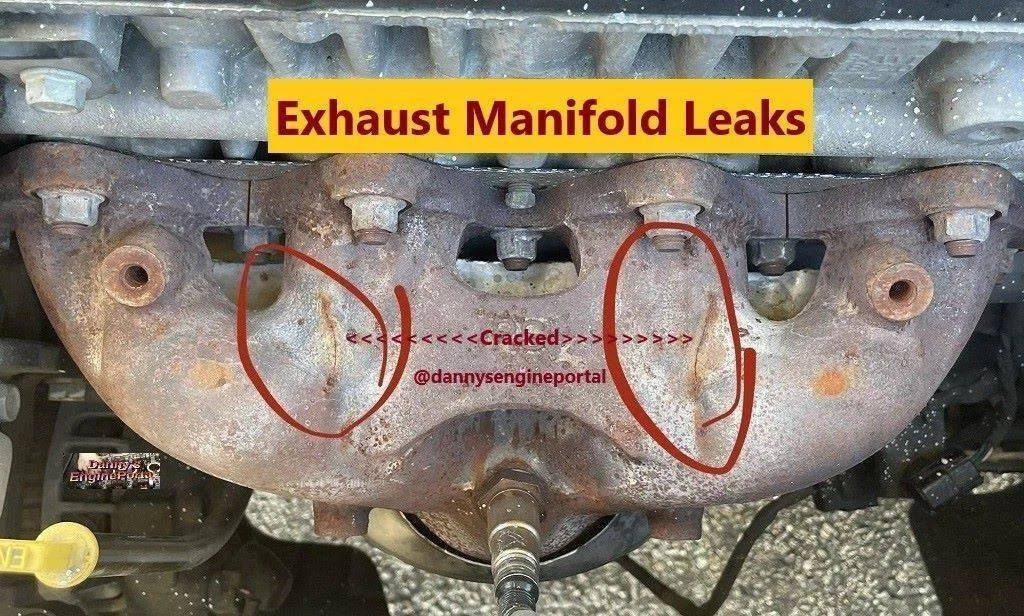
Image source: Web (Bing) / storage.googleapis.com (Web image (fair-use with source credit))
Fuel Injector Noise
Your Jeep's fuel injectors are responsible for spraying the precise amount of fuel into each cylinder. These are electromechanical devices that open and close thousands of times per minute. This rapid operation creates a clicking or ticking sound as the solenoid inside the injector actuates.
In many modern engines, this normal operating noise can be quite audible, especially if you're listening closely to the engine bay.
- What it sounds like: A relatively light, fast, and consistent ticking that emanates from the fuel rail area, where the injectors are mounted. It's typically uniform across all injectors.
- Why it happens: It's the normal operational sound of the fuel injector’s solenoid.
- The risk: Generally, this is not a problem. However, if one injector begins ticking significantly louder than the others, it might indicate an issue with that specific injector, requiring a closer look.
How to Diagnose the Ticking: Your Step-by-Step Guide
When you hear that ticking sound, don't panic. Follow these steps to get a clearer picture of what's going on.
Checking Your Engine Oil First
This is the most crucial first step and the easiest to perform. Grab your Jeep's owner's manual and locate the engine oil dipstick.
- Ensure the engine is off and cool: For an accurate reading, let your engine sit for at least 5-10 minutes after it's been shut off. Some manuals recommend checking when cold; always refer to yours.
- Pull out the dipstick: Wipe it clean with a lint-free cloth.
- Reinsert fully: Push the dipstick all the way back into its tube.
- Pull it out again: Examine the oil level against the markings (usually "Min" and "Max" or "Add" and "Full").
- Inspect the oil condition: Note the oil's color and consistency. If it's very dark, gritty, or has a burnt smell, it’s likely overdue for a change, which itself could be contributing to noise.
If the oil level is below the recommended mark, topping it up with the correct type of oil specified in your owner's manual is your immediate action. You can learn more about proper fluid levels by checking manufacturer specifications regarding engine upkeep.
Listening for Clues: Pinpointing the Source
After checking your oil, try to gather more information about the ticking sound itself. This detail will be invaluable if you need to consult a mechanic.
- When does it happen? Is it only on a cold start, or does it persist when the engine is warm?
- Does it change with engine speed? Does the ticking speed up when you accelerate or slow down as the engine idles?
- Where does it seem to come from? Try to isolate the general area, top of the engine, front, back, left, or right side.
- Is it constant or intermittent? Does it happen every time, or only sometimes?
Gathering these details helps narrow down the possibilities. For instance, a tick that disappears when the engine warms up often points to an exhaust leak. If the noise is loudest at the top of the engine and speeds up directly with RPM, it might be valve train related.
If you're comfortable using an automotive stethoscope (or even a long screwdriver held to your ear, with extreme caution), you can try to pinpoint the source more accurately. This diagnostic step is similar to how an OBD2 scanner might provide initial clues for other engine issues.
Potential Risks of Ignoring Engine Ticking
When your Jeep's engine starts ticking, it's a signal that something isn't quite right. Putting off a diagnosis can lead to a cascade of problems, often escalating the initial issue into a much larger and more expensive repair. For example, a small exhaust manifold leak might initially just cause a ticking sound and a slight reduction in fuel efficiency.
However, if left unaddressed, the constant exposure to hot exhaust gases can cause further damage to nearby components, potentially leading to a more costly manifold replacement or even damage to the cylinder head.
Our research indicates that ignoring even mild engine ticking can increase the likelihood of secondary damage. Many mechanics report seeing vehicles with ticking sounds that have already experienced collateral damage to other parts of the engine by the time they are brought in. This often means that what could have been a relatively simple fix, like replacing a gasket, turns into a job requiring multiple new parts and significantly more labor hours.
What Happens If You Keep Driving With a Ticking Engine?
Driving with an unchecked engine tick puts your Jeep at risk. The primary concern is that a minor issue can quickly worsen. For example, if the ticking is due to low oil pressure, continued driving means internal engine parts are not being properly lubricated.
This leads to increased friction and heat, which can rapidly cause wear on critical components like bearings, camshafts, and pistons.
The consequences can range from reduced engine performance and fuel economy to catastrophic engine failure. In severe cases, internal components can seize or break, leading to the engine seizing up completely. This often results in a repair bill that can run into thousands of dollars, sometimes exceeding the value of the vehicle itself.
When to Call a Mechanic: Expert Guidance
While some engine ticking sounds might be resolvable with simple checks, others require professional expertise. If you've performed the initial checks like verifying your engine oil level and condition, and the ticking persists, it's time to seek professional help. Don't hesitate to involve a qualified mechanic, especially if you notice any of the following signs.
It's crucial to get your Jeep into a service center if the ticking is accompanied by other symptoms. For example, if you also notice a loss of power, strange smells like burning oil or exhaust fumes, or if a dashboard warning light, such as the check engine light or oil pressure light, illuminates. These are clear indicators that the problem is beyond a simple DIY fix and could be safety-related.
Red Flags Indicating Immediate Mechanic Attention
Certain symptoms alongside engine ticking demand immediate professional evaluation.
- Persistent and Loud Ticking: If the ticking is loud, constant, and does not change or disappear, it suggests a more significant mechanical issue that needs prompt diagnosis.
- Oil Pressure Warning Light: This is a critical warning. If your oil pressure light comes on, stop driving immediately. Continuing to drive can cause irreparable engine damage.
- Smoke or Unusual Odors: Any smoke from the engine bay or exhaust, or the smell of burning oil or sulfur (rotten eggs), indicates a serious problem that requires urgent attention.
- Significant Loss of Power: If your Jeep feels sluggish, struggles to accelerate, or has trouble maintaining speed, the ticking noise might be a symptom of a problem affecting engine performance.
- Check Engine Light: While this light can indicate many things, when combined with a ticking noise, it signals that the engine's computer has detected a fault that needs professional scanning and interpretation.
For more complex diagnostic needs, consulting resources like those that detail how an OBD2 scanner can help with ABS issues can provide context for the technology mechanics use. Many manufacturers, including Jeep, provide detailed maintenance schedules and diagnostic information that mechanics rely on to ensure vehicles are serviced correctly according to standards like those set by the Society of Automotive Engineers (SAE).