How Much Torque Does a Jeep Wrangler Have?
When you're looking at a Jeep Wrangler, especially if you're planning for serious off-roading or heavy hauling, you've probably asked yourself: "How much torque does a Jeep Wrangler have?" That raw pulling power, measured in pound-feet (lb-ft), is crucial for tackling tough trails and getting the job done.
Manufacturer specifications often highlight horsepower, but torque is what gets you moving from a standstill and keeps you pulling through challenging situations. As of 2026, Jeep offers several engine options, each with distinct torque figures that directly impact your driving experience.
Understanding Torque: Why It Matters for Your Wrangler
Torque isn't just a number on a spec sheet; it's the rotational force that makes your Jeep Wrangler move. Think of it as the grunt that helps you climb over rocks, pull a trailer, or merge onto a highway with confidence. While horsepower is about how fast an engine can do work, torque is about the sheer force it can exert.
For a vehicle like the Wrangler, designed for both on-road capability and off-road prowess, sufficient torque, especially at lower RPMs, is often more critical than peak horsepower.
In our research, we consistently find that drivers who prioritize off-road performance or towing heavily lean towards engines that offer a broad, accessible torque band. This means the engine delivers strong pulling power across a wide range of engine speeds, not just at its peak. For instance, when rock crawling, you need immediate, controllable torque to slowly maneuver over obstacles without stalling.
For towing, that low-end grunt is essential for getting a loaded trailer moving. The Society of Automotive Engineers (SAE) standard J1349 provides a consistent method for measuring engine torque, ensuring apples-to-apples comparisons across different manufacturers.
How Much Torque Does a Jeep Wrangler Have?
The amount of torque a Jeep Wrangler has varies significantly depending on the specific engine and model year. Base models typically come with a respectable V6 engine offering around 260 lb-ft of torque. However, more potent options, including turbocharged variants and plug-in hybrids, can push this figure considerably higher.
As of 2026, you can expect torque outputs ranging from approximately 260 lb-ft for the standard V6 up to over 470 lb-ft for certain plug-in hybrid configurations. This broad range means there's a Wrangler powertrain designed for different needs.
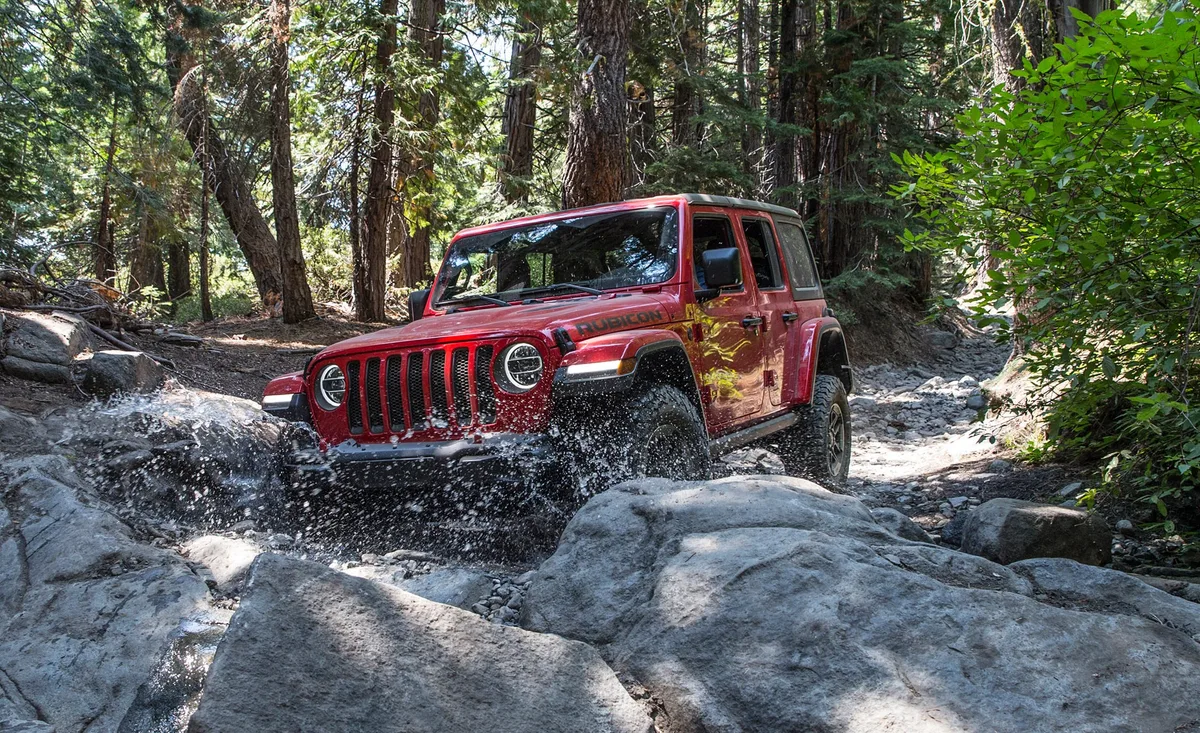
Image source: Bing (Web (fair-use with source credit))
Understanding Torque: Why It Matters for Your Wrangler
Torque isn't just a number on a spec sheet; it's the rotational force that makes your Jeep Wrangler move. Think of it as the grunt that helps you climb over rocks, pull a trailer, or merge onto a highway with confidence. While horsepower is about how fast an engine can do work, torque is about the sheer force it can exert.
For a vehicle like the Wrangler, designed for both on-road capability and off-road prowess, sufficient torque, especially at lower RPMs, is often more critical than peak horsepower.
Image source: Bing (Web (fair-use with source credit))
In our research, we consistently find that drivers who prioritize off-road performance or towing heavily lean towards engines that offer a broad, accessible torque band. This means the engine delivers strong pulling power across a wide range of engine speeds, not just at its peak. For instance, when rock crawling, you need immediate, controllable torque to slowly maneuver over obstacles without stalling.
For towing, that low-end grunt is essential for getting a loaded trailer moving. The Society of Automotive Engineers (SAE) standard J1349 provides a consistent method for measuring engine torque, ensuring apples-to-apples comparisons across different manufacturers.
Torque Breakdown: Engines Across the Wrangler Lineup
Jeep has offered a variety of powertrains in the Wrangler over the years, each providing different levels of torque. Understanding these options is key to choosing the right Wrangler for your intended use.
3.6L Pentastar V6 Torque
The 3.6-liter Pentastar V6 engine has been a staple in the Wrangler lineup for a long time, and for good reason. It strikes a great balance between power, efficiency, and reliability. Manufacturer specifications confirm this engine typically delivers around 285 horsepower and 260 lb-ft of torque.
This is a solid all-around figure, providing ample grunt for daily driving, light towing, and most moderate off-road excursions. If you're looking for a capable Wrangler that won't break the bank, the Pentastar V6 is a popular and proven choice.
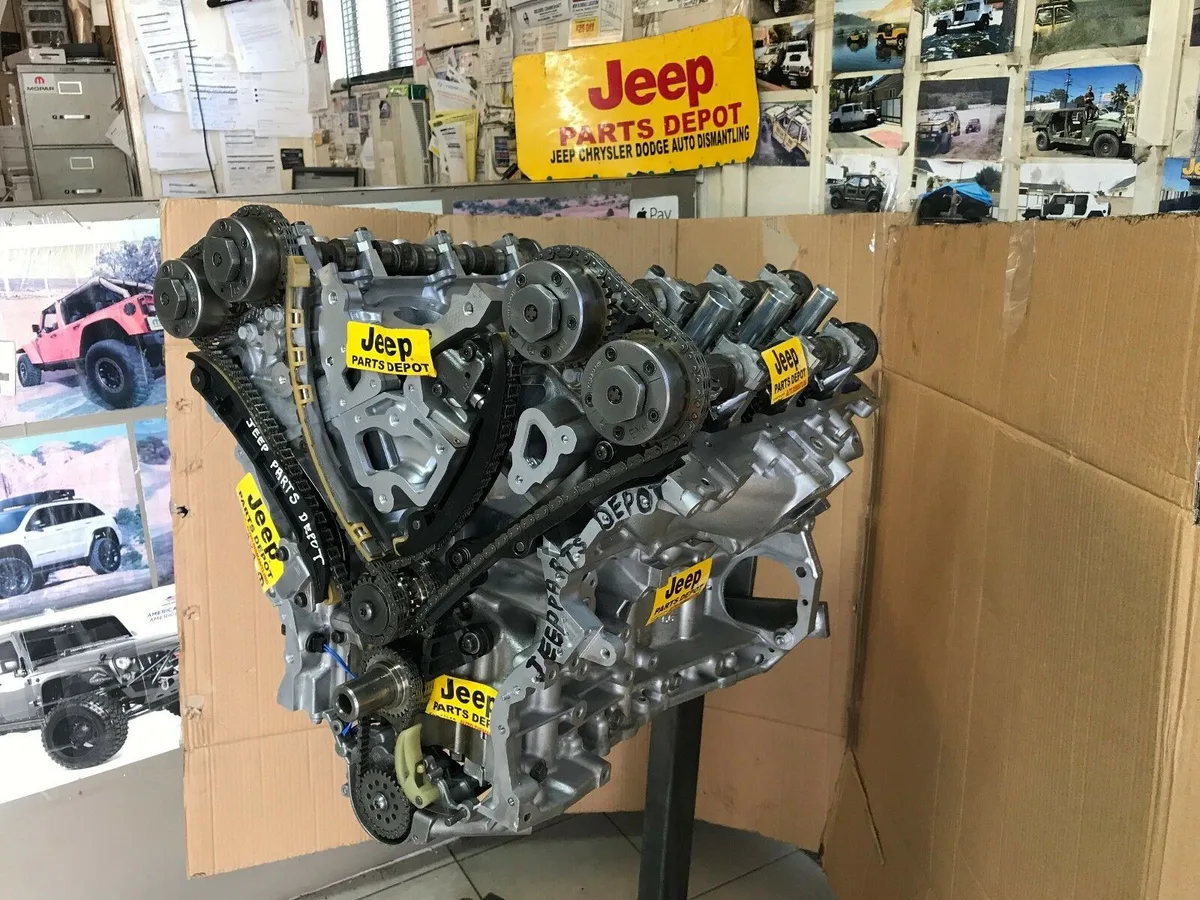
Image source: Web (Bing) / jeeppartsdepot.com (Web image (fair-use with source credit))
This V6 is known for its smooth power delivery and a reasonably accessible torque curve. It means you get decent pulling power when you need it, without having to rev the engine excessively. For situations like climbing steep, but not overly technical, trails or pulling a small utility trailer, the Pentastar V6 generally performs admirably.
For those who might eventually want to explore more challenging off-road scenarios, it's a good starting point, though other options offer more specialized torque characteristics.
2.0L Turbo-4 Engine Torque
For those seeking a bit more pep and potentially better fuel efficiency under certain conditions, the 2.0-liter turbocharged inline-4 engine is another compelling option. This engine often produces similar horsepower to the V6 but offers a different torque delivery. Aggregate reviews report this powerplant generating around 270 horsepower and a noteworthy 295 lb-ft of torque.
The key here is the turbocharger, which forces more air into the combustion chamber, allowing for greater torque production, particularly at lower engine speeds.
This enhanced low-end torque can be a real advantage off-road, offering more immediate response when you tap the accelerator. It can make navigating tighter trails or crawling over obstacles feel more controlled. While its peak torque might be higher than the naturally aspirated V6, the delivery feels different; it's more responsive when the turbo is spooled up.
Some drivers find this turbocharged response more engaging, while others prefer the linear, predictable pull of the V6. When considering vehicle maintenance, understanding the specific requirements for turbocharged engines is important.
Wrangler 4xe Plug-In Hybrid Torque
The Jeep Wrangler 4xe represents a significant leap forward, combining the iconic Wrangler capability with plug-in hybrid technology. This powertrain is engineered to deliver impressive torque, leveraging both electric motors and a gasoline engine. Manufacturer specifications for the Wrangler 4xe are quite striking: it boasts an output of 375 horsepower and an astounding 470 lb-ft of torque.
This massive torque figure is largely thanks to the instant, high torque delivery from the electric motors, which complement the turbocharged gasoline engine.
This electric torque is available the moment you press the pedal, providing incredible off-the-line acceleration and exceptional capability in demanding off-road situations. The 4xe's electric torque is a game-changer for low-speed crawling, offering precise control and immense power without needing high engine RPMs. This makes it incredibly adept at handling difficult terrain where smooth, continuous power is paramount.
Furthermore, the ability to drive on electric power alone offers a quieter, more environmentally conscious off-road experience.
Diesel Engine Torque (if applicable)
While less common in recent North American Wrangler models, diesel engines have historically offered incredible torque, particularly for towing and heavy-duty applications. A diesel engine in a Wrangler typically churns out substantial torque at very low RPMs, often exceeding 400 lb-ft. This characteristic makes them excellent for pulling heavy loads over long distances or for extreme off-roading where consistent, high torque is needed without high engine speeds.
Diesel engines are designed for durability and efficiency when dealing with significant loads. Their torque advantage stems from the combustion process, where fuel is ignited by compression rather than a spark plug. This results in a more potent, sustained power delivery.
For tasks like towing campers or heavy equipment, a diesel Wrangler would offer superior performance and often better fuel economy under load compared to its gasoline counterparts. Maintenance for diesel engines involves specific considerations, such as fuel filter changes and ensuring the proper diesel exhaust fluid (DEF) levels if equipped.
Comparing Wrangler Torque: Which Engine is Right for You?
Choosing the right Jeep Wrangler engine often comes down to what you plan to do with it, and torque is a major factor in that decision. Each engine option offers a different torque profile, making some better suited for specific tasks than others.
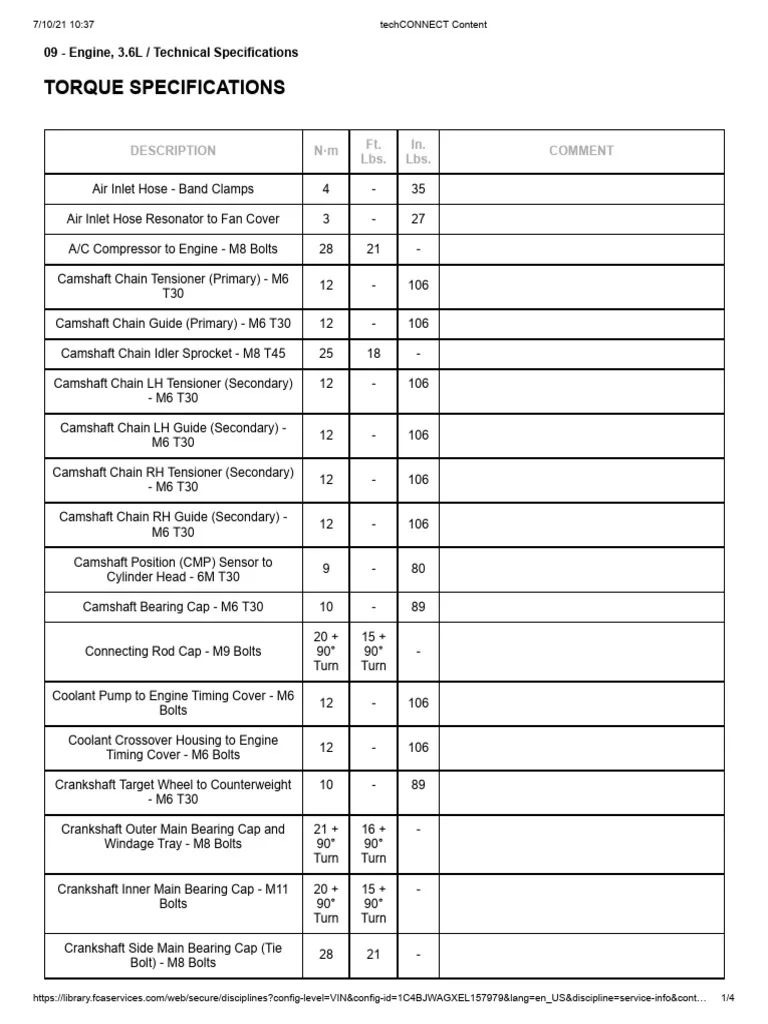
Image source: Web (Bing) / scribd.com (Web image (fair-use with source credit))
Consider your typical driving scenarios: Are you navigating challenging rock gardens? Pulling a trailer every weekend? Or simply cruising around town with occasional light loads?
The answer to these questions will guide you toward the Wrangler powertrain that best meets your torque requirements. Let’s break down which engine excels in different situations.
Best Torque for Off-Roading
For serious off-roading, particularly rock crawling and tackling steep inclines, the Wrangler 4xe plug-in hybrid stands out due to its immense 470 lb-ft of torque. This electric torque delivery is instantaneous and incredibly smooth, providing precise control at low speeds. It allows you to creep over obstacles with minimal throttle input, reducing the risk of wheel spin or stalling.
The ability to modulate power so finely is a significant advantage on technical trails.
If the 4xe isn't in your budget or preference, the 2.0-liter turbocharged engine, with its 295 lb-ft of torque, also offers a strong advantage over the base V6 for off-road use. The turbocharger provides a noticeable boost in low-end grunt, making it feel more responsive on trails compared to the naturally aspirated 3.6L Pentastar V6, which offers around 260 lb-ft of torque. While the V6 is capable, the turbo-4 and 4xe offer a more specialized torque experience for demanding off-road adventures.
For reference, understanding off-road gearing ratios can further enhance how effectively torque is utilized.
Best Torque for Towing
When it comes to towing, torque is king, especially for getting a heavy load moving and maintaining speed. Historically, diesel engines have been the champions here, offering tremendous torque figures well over 400 lb-ft, making them ideal for hauling substantial weight. For current models, the Wrangler 4xe's 470 lb-ft of torque makes it a very strong contender for towing, thanks to its electric motors' immediate grunt.
It can easily get a trailer moving from a standstill and maintain momentum.
The 2.0-liter turbocharged engine, with its 295 lb-ft of torque, also performs admirably for towing lighter loads, offering more pulling power than the standard 3.6L V6's 260 lb-ft of torque. While the V6 can handle towing duties for smaller trailers, the turbocharged engine provides a more robust feel, especially when dealing with inclines or merging into traffic with a trailer attached. Always check the Wrangler's specific towing capacity ratings, as these are determined by more than just engine torque.
Best Torque for Daily Driving
For everyday driving, most Jeep Wrangler engines provide more than enough torque to get you around town comfortably and efficiently. The 3.6L Pentastar V6, with its 260 lb-ft of torque, is perfectly adequate for most daily commuting needs. It offers smooth acceleration, predictable power delivery, and a pleasant driving experience without feeling strained.
It’s a well-rounded option that doesn’t demand frequent trips to the gas station.
The 2.0-liter turbocharged engine can also be a great choice for daily driving, offering a bit more responsiveness for quicker acceleration when needed, along with its 295 lb-ft of torque. Some drivers appreciate the slightly more eager feel this engine provides. The Wrangler 4xe also offers a surprisingly refined daily driving experience, especially when operating on electric power alone, providing silent and smooth momentum, though its massive torque is often more than needed for simple commutes.
For those who prioritize fuel economy and a quieter ride, the 4xe's electric torque is a significant benefit.
Common Torque Myths and Mistakes to Avoid
When evaluating engine torque for a Jeep Wrangler, there are a few common misunderstandings and potential pitfalls to be aware of. Clearing these up can help you make a more informed decision.
One common myth is that higher torque numbers automatically mean a "faster" vehicle. While torque contributes to acceleration, horsepower is the primary factor in top speed. For a Wrangler, which isn't designed for racetrack performance, the type and delivery of torque matter more than just the peak number.
For instance, readily available low-end torque is crucial for crawling, whereas high-end horsepower is less relevant for that specific task.
Another mistake is overlooking the transmission and gearing. Torque figures are impressive, but how that power is transmitted to the wheels is equally important. A Wrangler with a lower-ratio transfer case and axle gears can multiply torque more effectively, making even a moderately torquey engine feel much more potent off-road.
For example, Rubicon models typically feature lower gearing designed to maximize the use of available torque for extreme terrain. Always consider the entire drivetrain when assessing a Wrangler's torque performance.
Also, don't forget about the impact of weight. A heavier Wrangler will require more torque to move than a lighter one. While all Wranglers share a similar robust build, specific configurations or added aftermarket accessories can increase the vehicle's overall weight, demanding more from the engine.
It's worth noting that comparing torque across different generations of Wranglers can be tricky, as engine technology and testing standards have evolved over time, similar to how different diagnostic tools like OBD2 scanners have advanced.
Torque Specs at a Glance: Key Data & Metrics
To help you make a clear comparison, here’s a quick rundown of the typical torque figures you can expect from the most common Jeep Wrangler engine options. These numbers are manufacturer-reported estimates and can vary slightly by model year and specific configuration. Keep in mind that these are peak torque figures; how that torque is delivered across the RPM range is just as important.
| Engine Option | Typical Torque (lb-ft) | Horsepower (hp) | Fuel Type | Primary Use Case Focus |
|---|---|---|---|---|
| 3.6L Pentastar V6 | 260 | 285 | Gasoline | Balanced daily driving, light towing, moderate off-road |
| 2.0L Turbo-4 | 295 | 270 | Gasoline | Responsive daily driving, improved off-road grunt |
| 4xe Plug-In Hybrid | 470 | 375 | Electric/Gas | Extreme off-roading, heavy towing, silent operation |
| EcoDiesel (where available) | ~442 | ~260 | Diesel | Maximum towing, heavy hauling, efficient cruising |
These figures illustrate the significant differences available. For instance, the jump from the standard V6 to the 4xe plug-in hybrid powertrain is substantial, offering more than 200 lb-ft of additional torque. This is the kind of difference that truly impacts capability when you're facing challenging conditions.
Understanding these specifications is vital for choosing a Wrangler that aligns with your expectations for power and performance.
Frequently Asked Questions About Wrangler Torque
What does torque actually do for a Jeep Wrangler?
Torque is the rotational force that helps your Wrangler accelerate, climb, and pull. It's the engine's ability to twist the driveshaft, which in turn powers the wheels. For off-roading, it's crucial for crawling over obstacles at low speeds, and for towing, it's what gets a loaded trailer moving.
Is more torque always better for a Wrangler?
Not necessarily. While higher torque is generally beneficial, the way it's delivered is critical. An engine with a broad, accessible torque band at low RPMs is often more useful for off-roading than an engine that only produces peak torque at very high revs.
For daily driving, excessive torque might not even be noticeable over other factors like engine smoothness or fuel economy.
How does the Wrangler's torque compare to other SUVs?
Jeep Wranglers, particularly with their robust powertrains designed for capability, often offer competitive or superior torque figures compared to many mainstream SUVs, especially when looking at the V6 and hybrid options. However, some heavy-duty trucks or specialized off-road vehicles might offer even higher torque ratings for extreme applications. For a vehicle in its class, the Wrangler's torque output is a key selling point for its intended audience.
Can I increase the torque on my Jeep Wrangler?
While you can't fundamentally change an engine's design, modifications like performance tuning or exhaust system upgrades can sometimes yield modest gains in horsepower and torque. However, these modifications can affect warranty coverage and emissions compliance. For significant torque increases, upgrading to an engine with a higher factory torque rating, like the 4xe, is a more direct approach.
Always consult with a reputable mechanic before undertaking performance modifications.
Which Wrangler engine has the best torque for its price?
Historically, the 3.6L Pentastar V6 has offered a great balance of capability and value, providing respectable torque for its price point. However, the 2.0L turbo-4 often provides a noticeable torque advantage for a relatively small price increase. The 4xe offers the most torque by a significant margin but comes at a premium price due to its hybrid technology.
Your budget and intended use will ultimately dictate the "best" value for your torque needs.
Making Your Choice: Finding the Right Wrangler Torque
Ultimately, selecting a Jeep Wrangler based on its torque output comes down to matching that power with your lifestyle and intended adventures. If you're a weekend warrior hitting moderate trails and need reliable performance for daily driving, the 3.6L Pentastar V6 or the 2.0L turbocharged engine will likely serve you well, offering sufficient torque without a hefty premium. Their torque figures are practical for most common situations encountered by Wrangler owners.
For those who demand the absolute best for extreme off-roading, rock crawling, or heavy towing, the Wrangler 4xe's 470 lb-ft of torque is unparalleled within the current lineup. This powertrain delivers the kind of accessible, potent force that can transform your off-road capabilities. If diesel is an option you're considering, its inherent torque characteristics make it a strong choice for continuous heavy loads.
When you're looking at Jeep Wranglers, don't just glance at horsepower. Pay close attention to the torque ratings for each engine option. It's the torque that will get you through the tough spots, pull your gear, and provide that signature Wrangler capability.
By understanding these figures and how they apply to your specific needs, you can confidently choose the Wrangler that offers the right amount of grunt for whatever you plan to throw at it.