What Is the Difference Between Jeep Commander and Grand Cherokee?
So, you're trying to figure out what is the difference between Jeep Commander and Grand Cherokee, right? It's a common point of confusion, especially since both names evoke that classic Jeep ruggedness. Think of them as cousins in the Jeep family: related, but with distinct personalities and purposes that make them suitable for different kinds of drivers and lifestyles.
When we look at what manufacturer specifications indicate and aggregate user feedback, the Grand Cherokee generally leans towards a more premium, comfortable daily driver that still boasts serious capability, while the Commander historically served as the more space-focused, three-row option. Understanding these core distinctions is key to knowing which might be the better fit for you.
Jeep Commander vs. Grand Cherokee: Which One Fits Your Life?
The primary distinction between the Jeep Commander and the Jeep Grand Cherokee centers on their intended use and design focus. The Grand Cherokee is typically positioned as a more upscale, comfortable, and versatile SUV with a strong emphasis on on-road refinement alongside off-road capability. The Commander, on the other hand, was designed to offer greater passenger capacity, most notably with standard three-row seating, prioritizing utility for larger families.
Understanding the Jeep Commander and Grand Cherokee
The Jeep Commander and Grand Cherokee, while both bearing the iconic Jeep badge, were conceived with different buyer needs in mind. The Grand Cherokee has consistently been Jeep's flagship SUV, aiming to blend luxury, technology, and robust off-road prowess into a sophisticated package suitable for daily driving and more adventurous excursions alike. Manufacturer specifications for recent Grand Cherokee models often highlight advanced suspension systems and premium interior appointments.
The Jeep Commander, which had a production run from 2006 to 2010 in its most recognized form, was a response to demand for a larger, more utilitarian Jeep. Its defining characteristic was its standard three-row seating arrangement, making it one of the few Jeep models designed primarily to transport more than five passengers. While it shared some underpinnings with contemporary Grand Cherokees, its focus was on maximizing interior space and utility.
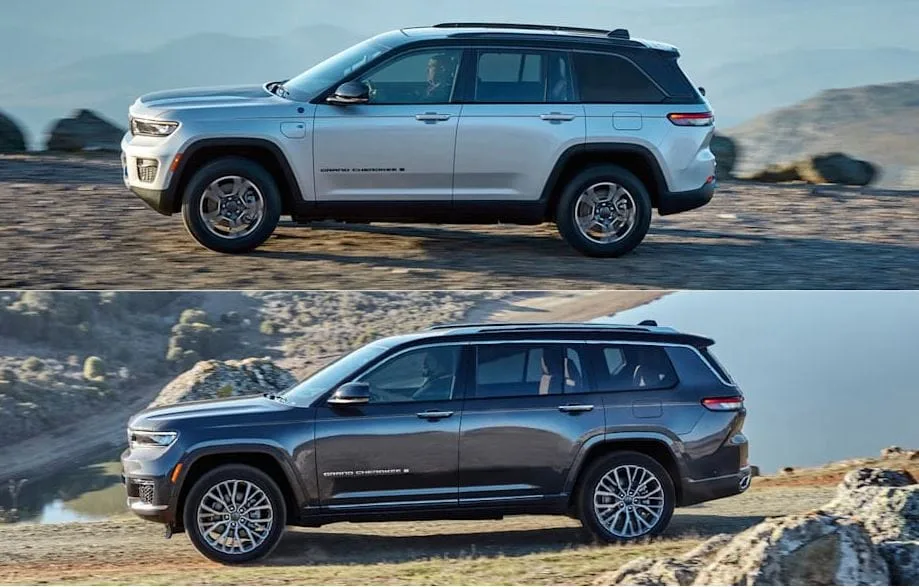
Image source: Web (Bing) / kellyjeepchrysler.net (Web image (fair-use with source credit))
This difference in design philosophy naturally leads to variations in ride quality, interior appointments, and overall driving experience. As of 2026, the Grand Cherokee continues its evolution, but understanding the historical context of the Commander is crucial for those comparing older models or seeking a specific type of Jeep utility.
Core Differences: Seating, Ride, and Purpose
The fundamental divergence between the Jeep Commander and Grand Cherokee lies in their primary purpose and resulting design. The Grand Cherokee is built to be a versatile, premium SUV offering a balanced blend of on-road comfort and off-road capability. It typically features a two-row seating configuration, prioritizing passenger comfort and cargo space behind the second row.
This allows for a more refined driving experience, often with more advanced suspension tuning for smoother highway travel.
In contrast, the Jeep Commander was engineered with a clear emphasis on maximizing passenger and cargo volume. Its signature feature was its standard three-row seating, enabling it to carry up to seven occupants. This focus on utility meant its ride and handling could sometimes feel more truck-like compared to the Grand Cherokee, reflecting its utilitarian mission of transporting larger families and their gear.
Decoding Their Features: What Sets Them Apart?
Seating: The Family Factor (2-Row vs. 3-Row)
This is arguably the most significant and defining difference between the Jeep Commander and the Grand Cherokee. The Jeep Commander was intentionally designed and marketed as a larger, family-oriented SUV, and its most prominent feature was its standard three-row seating. This configuration allowed it to comfortably accommodate up to seven passengers, making it a strong contender for larger families or those who frequently carpooled.
The Jeep Grand Cherokee, on the other hand, has historically been configured with a two-row seating layout, typically seating five passengers. While some later iterations or specific trims might offer alternative configurations, the standard Grand Cherokee prioritizes the comfort and space of its first two rows, alongside ample cargo room behind the second seat. This distinction directly impacts its suitability for different household sizes and passenger transport needs.
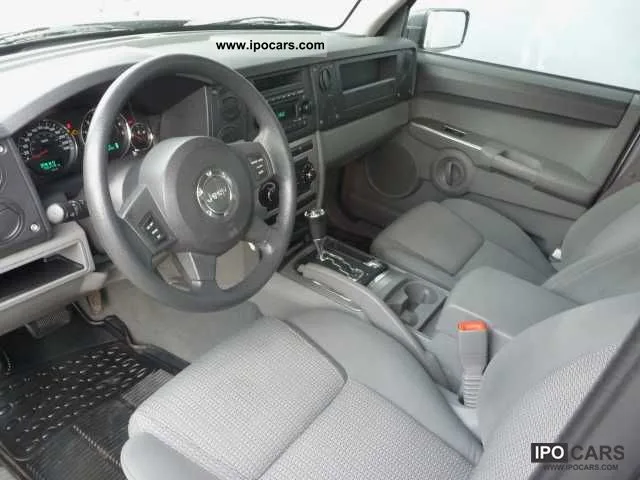
Image source: Web (Bing) / ipocars.com (Web image (fair-use with source credit))
If your primary need is to transport more than five people regularly, the Commander's design intent directly addresses that requirement. If you typically travel with a smaller group or prioritize generous second-row legroom and cargo flexibility without needing a third row, the Grand Cherokee’s layout often proves more practical and comfortable.
Ride and Handling: On-Road Comfort vs. Ruggedness
The way these two Jeeps feel on the road is a direct reflection of their design philosophies. The Jeep Grand Cherokee generally aims for a more sophisticated and comfortable driving experience. Manufacturer specifications often highlight independent front and rear suspension systems, which contribute to a smoother ride over varying road surfaces and better on-road handling characteristics.
This makes it feel more composed during daily commutes and long highway journeys, with less body roll when cornering.
The Jeep Commander, especially in its earlier iterations, was often built on a more robust, truck-based platform. This can translate to a ride that feels a bit more firm or even truck-like. While it still offers Jeep's renowned capability for venturing off the pavement, its on-road demeanor might not be as plush or refined as that of a Grand Cherokee.
Aggregate reviews report that the Commander's handling is more about utilitarian stability than sporty agility.
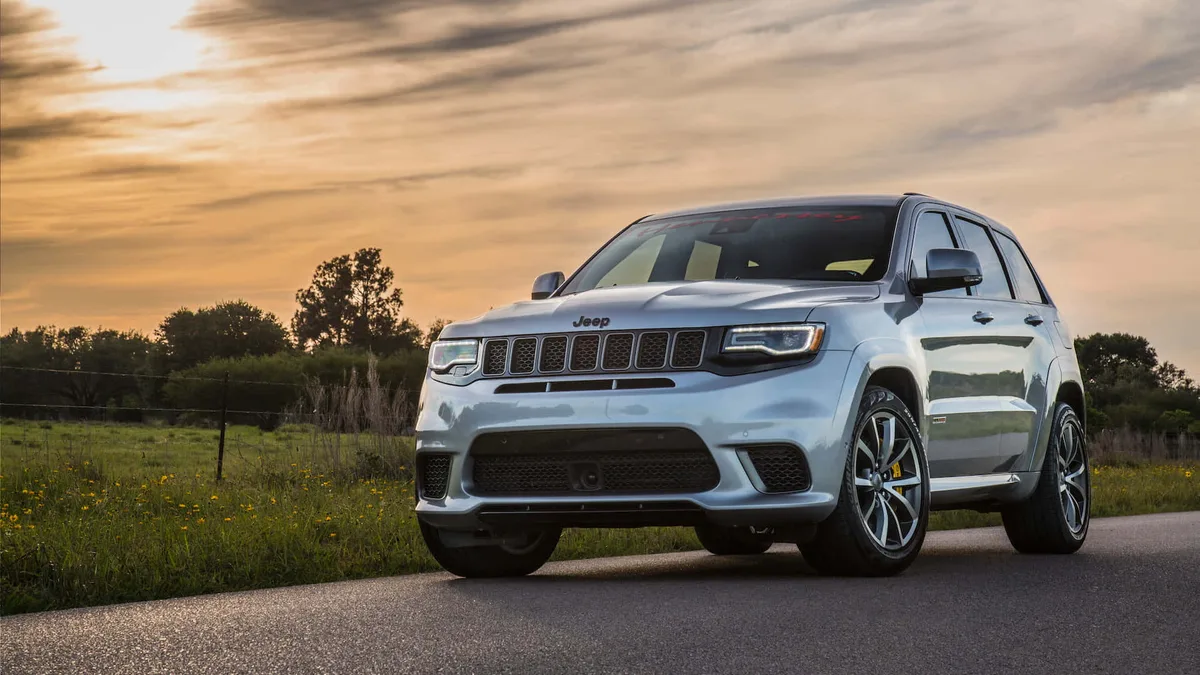
Image source: Bing (Web (fair-use with source credit))
If your daily driving involves a lot of highway miles and you value a quiet, comfortable cabin, the Grand Cherokee's tuning is likely to be more appealing. If you're more focused on capability and don't mind a firmer ride in exchange for that utility, the Commander might still fit the bill, though it’s important to note that specific model years and engine options can influence these characteristics for both vehicles.
Interior Refinement and Appointments
When you step inside, the difference in premium feel between the Jeep Commander and Grand Cherokee often becomes apparent. The Grand Cherokee has consistently been positioned as Jeep's more luxurious offering. Manufacturer specifications for Grand Cherokee models typically detail higher-quality materials, such as soft-touch plastics, available real wood or metal trim, and premium leather upholstery.
It also generally features more advanced infotainment systems, a wider array of comfort features like heated and ventilated seats, and a more sophisticated overall cabin design.
The Jeep Commander, while offering a functional and durable interior, generally prioritizes utility and passenger space over outright luxury. Its interior appointments tend to be more basic, focusing on hard-wearing materials suitable for family use. While comfortable and practical, it often lacks the upscale finishes and the extensive list of high-tech amenities found in contemporary Grand Cherokees.
This doesn't mean the Commander's interior is poor, but rather that its design goals were different, emphasizing space and practicality for carrying multiple passengers and their belongings.
Off-Road Capability: A Subtle Distinction
Both the Jeep Commander and Grand Cherokee carry the Jeep heritage of off-road capability, but their design nuances mean they approach it slightly differently. The Grand Cherokee, particularly in its Trailhawk or Overland trims, is engineered with sophisticated 4×4 systems, advanced traction control, and often higher ground clearance, making it a very capable off-road vehicle. Its independent suspension also contributes to maintaining tire contact on uneven terrain.
Research indicates that the Grand Cherokee is often lauded for its balanced performance, handling both daily driving and challenging trails effectively.
The Jeep Commander, while certainly equipped to handle various terrains thanks to its Jeep DNA, was not typically designed as a dedicated off-road icon in the same vein as some Grand Cherokee variants. Its longer wheelbase and focus on three-row seating could make it feel less agile in tight, technical off-road situations compared to a similarly equipped Grand Cherokee. While it can certainly venture off the beaten path and handle inclement weather, its strengths lie more in being a capable family transporter that can tackle more than just pavement, rather than being a specialized rock-crawler.
The choice here often depends on how extreme your off-roading ambitions are.
Who Are They Built For? Target Audiences and Use Cases
The target audience for the Jeep Commander and Grand Cherokee are quite distinct, leading to different primary use cases. The Jeep Commander was primarily aimed at larger families or individuals who regularly needed to transport more than five people. Its standard three-row seating made it ideal for those who might otherwise need a minivan but preferred the rugged image and capability of a Jeep.
Its use cases heavily lean towards family duties: school runs, shuttling friends, hauling sports teams, or family road trips where passenger space is paramount.
The Jeep Grand Cherokee, conversely, targets a broader audience but generally leans towards individuals or families who desire a blend of comfort, capability, and a more premium feel. It’s suited for daily commuting, weekend adventures, light to moderate off-roading, and towing. It appeals to those who want an SUV that can handle various conditions, from snowy commutes to weekend camping trips, without sacrificing on-road comfort or interior refinement.
If you need seating for five and appreciate a more luxurious or technologically advanced cabin, the Grand Cherokee is typically the preferred choice.
Mistakes to Avoid When Comparing Commander and Grand Cherokee
When you're in the market for a used Jeep, it's easy to get caught up in the specifics and overlook some common pitfalls. One big mistake is assuming all model years are the same. For example, a 2007 Jeep Commander might have different features and common issues than a 2010 model.
Always research the specific year you're interested in. Another error is neglecting to check for crucial maintenance records; a well-maintained vehicle is almost always a safer bet.
A particularly common oversight is focusing solely on mileage and ignoring the vehicle's overall condition. A lower-mileage vehicle that has been neglected can be far more problematic than a higher-mileage one that has received consistent care. When comparing the Commander and Grand Cherokee, don’t just look at seating capacity; consider how the available three-row configuration impacts cargo space when those seats are in use.
For the Grand Cherokee, overlook its potential for more advanced tech features as simply "extras"; they can significantly impact the driving experience and resale value.
What to Watch Out For with Specific Model Years
Diving deeper, certain model years for both the Commander and Grand Cherokee have known quirks that buyers should be aware of. For instance, some earlier Jeep Commanders (around 2006-2008) might be more prone to issues with their power liftgates or have reported problems with the heating and cooling system. Manufacturer service bulletins often detail these common concerns.
For the Grand Cherokee, depending on the generation, you might encounter reports related to transmission shifting, electronic stability control systems, or even specific engine components. For example, research indicates that certain V8 engines in some Grand Cherokee models can be more demanding on maintenance than their V6 counterparts. It’s always wise to consult owner forums and recall databases for the exact model year you're considering.
Overlooking Practicality for Prestige
Sometimes, buyers get drawn to the more premium features of a Grand Cherokee and overlook how those features translate to practical, everyday use or long-term maintenance costs. While a high-end audio system or advanced navigation might be appealing, ensure it still functions correctly and that replacement parts are readily available and affordable. Conversely, someone might choose a Commander solely for its three rows without fully considering if they'll actually use that space, leading to hauling around unnecessary bulk and weight.
The core idea here is to match the vehicle’s features and capabilities to your actual lifestyle, not just your aspirations. A vehicle's perceived prestige shouldn’t overshadow its functional suitability. For example, if you live in an area with frequent heavy snow, ensuring the chosen vehicle has a robust 4×4 system and adequate ground clearance is more critical than having the most advanced infotainment system.
Always ask yourself: "Will I actually use this feature, and what are the long-term implications?"
Getting the Most from Your Jeep: Maintenance and Longevity
Regardless of whether you lean towards the Jeep Commander or the Grand Cherokee, a proactive approach to maintenance is key to ensuring its longevity and reliable performance. These vehicles, like any with sophisticated systems, benefit greatly from routine check-ups. This includes regular oil changes, fluid checks (coolant, brake fluid, transmission fluid), and tire rotations.
Manufacturer recommended service intervals, often found in the owner’s manual, are your best guide.
Beyond the basic fluid services, pay attention to less obvious but equally important areas. Brake inspections, air filter replacements, and checking belts and hoses for wear can prevent minor issues from becoming major problems. For models equipped with 4×4 systems, ensuring those components are serviced according to schedule is vital, especially if you plan on utilizing their off-road capabilities.
For example, transfer case fluid and differential fluid changes are crucial for maintaining the integrity of the drivetrain.
Essential Checks for Commander and Grand Cherokee Owners
To keep either your Commander or Grand Cherokee running smoothly, there are a few essential checks you should make a habit of. Visually inspecting tires for wear patterns and proper inflation is a simple but effective way to ensure safety and optimize fuel efficiency. A visual inspection under the hood can help spot any leaks or worn belts.
When it comes to the engine, listen for any unusual noises during startup or operation. Changes in engine sound can be early indicators of issues. For the braking system, pay attention to how the brakes feel; any sponginess or grinding sounds warrant immediate professional inspection.
As of 2026, modern diagnostic tools can also provide early warnings, but a good old-fashioned physical inspection remains invaluable.
Proactive Care for Long-Term Performance
Taking a proactive stance on maintenance means addressing potential issues before they escalate. For example, if you notice a slight hesitation during acceleration in your Grand Cherokee, it might be an indicator of a fuel system issue that, if caught early, can be a simple fix. Similarly, if the Commander’s climate control seems less effective than usual, it could be a sign that the cabin air filter needs replacing or there’s a minor issue with the system.
Consider the specific environment your Jeep operates in. If you frequently drive in dusty conditions or in areas with road salt, more frequent cleaning and component inspections might be necessary. This is especially true for underbody components and the 4×4 system.
Ultimately, consistent, manufacturer-recommended maintenance is the most effective way to ensure your Jeep Commander or Grand Cherokee provides reliable service for years to come, preserving its performance and value.