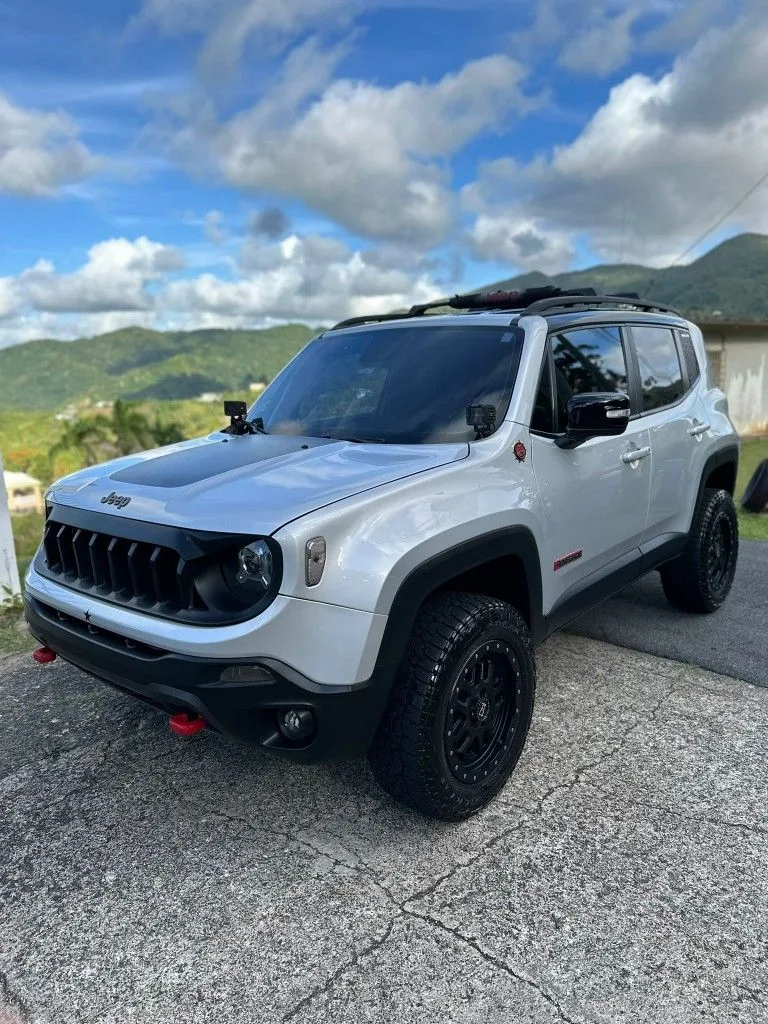
Is the Jeep Renegade Expensive to Maintain?
So, you're curious about the Jeep Renegade and whether it's going to drain your bank account with its maintenance needs. That's a totally valid concern for anyone looking at a compact SUV, and it's smart to get the real scoop before you buy or to understand what you're getting into if you already own one.
While no car is entirely maintenance-free, our research indicates the Jeep Renegade's upkeep costs can be managed with a proactive approach. Aggregate owner reviews and repair data show it falls within a typical range for its class, though certain issues can pop up.
Is the Jeep Renegade Expensive to Maintain?
The Jeep Renegade is not typically considered prohibitively expensive to maintain when compared to other small SUVs. Routine services are comparable, but potential repairs can be pricier than some competitors.
Is the Jeep Renegade a Budget-Friendly Ride? Quick Look
When considering if the Jeep Renegade fits your budget, think of it this way: for its segment, its running costs are generally middle-of-the-road. You're not looking at the rock-bottom prices of some subcompact cars, but it doesn't usually break the bank like a luxury SUV might. Standard maintenance, like oil changes and tire rotations, aligns with what you'd expect from a vehicle in its class, which generally operates with a 12-volt electrical system.
However, the potential for more significant repairs, especially as the vehicle ages, means it’s wise to be prepared. As of 2026, projected repair costs suggest a slightly higher average than the absolute cheapest options, but still competitive within the small SUV market.
Routine Upkeep vs. Unexpected Repairs
Understanding the difference between routine maintenance and unexpected repairs is key to managing any vehicle's cost of ownership. Routine upkeep is the preventative care that keeps your Jeep Renegade running smoothly and helps avoid bigger problems. Unexpected repairs are what happen when something breaks, often without much warning.
Routine maintenance includes things like:
- Oil and filter changes: Typically every 7,500 to 10,000 miles, or as specified in your owner's manual, to keep the engine properly lubricated.
- Tire rotations: Every 5,000 to 7,500 miles to ensure even wear and extend tire life.
- Brake inspections: Checking pad and rotor wear to ensure safe stopping power.
- Fluid checks and top-offs: Including coolant, brake fluid, power steering fluid, and windshield washer fluid.
- Air filter replacement: Usually every 15,000 to 30,000 miles, depending on driving conditions.
These services are predictable and generally affordable. However, our research on aggregate owner feedback indicates that the Jeep Renegade, like many vehicles, can sometimes develop issues that fall into the unexpected repair category. These are the costs that can truly surprise you and make a vehicle feel "expensive."
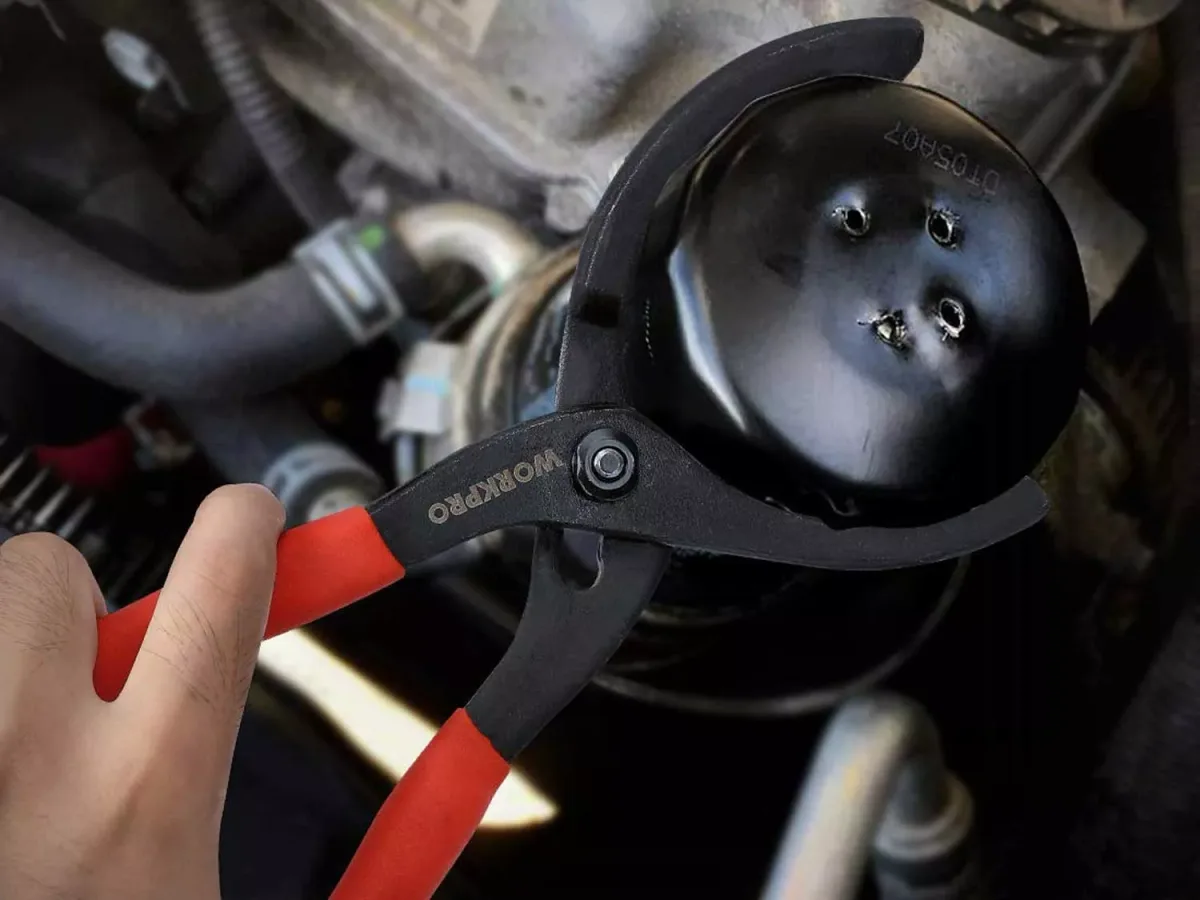
For instance, while not a common occurrence for every vehicle, issues with the nine-speed automatic transmission in some Renegade models have been reported, and fixing such components can be a substantial expense. Similarly, electrical gremlins or more involved engine repairs can quickly turn a manageable maintenance year into a costly one.
What Parts Tend to Need Attention?
Based on aggregate owner reports and mechanic feedback, certain components in the Jeep Renegade warrant closer attention as the vehicle accumulates mileage. While most parts function as expected, there are a few areas where issues appear more frequently than in some competing models.
- Transmission: Some nine-speed automatic transmissions have been noted for occasional rough shifting or other performance hiccups. Addressing these early is crucial to prevent more severe damage, which can significantly increase repair bills.
- Electrical Systems: Owners have occasionally reported minor electrical issues. These can range from infotainment system glitches to warning lights appearing on the dashboard without an obvious cause. While often minor, diagnosing and fixing these can be time-consuming and add to labor costs.
- Engine Components: While the engines are generally reliable, issues with sensors, minor oil leaks, or other internal components have been cited by some owners. These can vary widely in cost, from simple sensor replacements to more involved engine work.
- Suspension and Brakes: Like any vehicle that sees regular use, suspension components and brake parts will wear over time. The cost of replacement here is generally in line with segment expectations, but it's worth factoring into long-term ownership.
It's important to remember that these are potential issues reported by a segment of owners, not guarantees of failure. Regular maintenance, as outlined by the manufacturer, can significantly mitigate the risk of many of these problems.
How Driving Habits and Care Impact Your Wallet
Your driving style and how you care for your Jeep Renegade play a bigger role in its long-term maintenance costs than you might think. A gentle touch on the pedals and consistent attention to its needs can save you a considerable amount of money over the years.
Aggressive driving, think hard acceleration from a stop or slamming on the brakes frequently, puts immense stress on critical components. This includes the engine, transmission, brakes, and tires. For instance, rapid acceleration strains the drivetrain, while harsh braking wears down brake pads and rotors much faster.
This means you'll be replacing these parts more often, directly increasing your maintenance expenditure.
Conversely, smooth driving conserves fuel and significantly reduces wear and tear. Operating the vehicle within its designed parameters is key. For example, avoiding excessive speeds on highways reduces engine strain and heat, which can prolong its life.
Also, ensuring you don't overload the vehicle beyond its specified capacity prevents unnecessary stress on the suspension and chassis.
Beyond just driving, how you store and clean your Renegade also matters. Parking in shaded areas can help preserve interior materials and reduce heat buildup. Washing your vehicle regularly, especially in areas with salt or harsh weather, helps prevent rust and corrosion that can lead to more expensive body repairs down the line.
Paying attention to these details contributes to a lower overall cost of ownership.
Keeping Your Renegade Running Smoothly (and Affordably)
Taking good care of your Jeep Renegade doesn't just keep it looking good; it's your best strategy for keeping maintenance costs manageable. Being proactive rather than reactive is the golden rule for any vehicle owner, and the Renegade is no exception.
Proactive Maintenance for Peace of Mind
Your vehicle's owner's manual is your best friend here. It lays out a specific maintenance schedule designed by the engineers who built your Renegade. Adhering to this schedule is the single most effective way to prevent minor issues from snowballing into major, wallet-draining repairs.
This includes regular oil changes, filter replacements, and fluid checks at the recommended intervals.
For example, consistently changing your engine oil and filter as recommended, typically every 7,500 to 10,000 miles according to manufacturer specifications, ensures your engine's internal parts are properly lubricated, reducing friction and wear. Neglecting this can lead to severe engine damage that costs thousands to fix. Similarly, timely tire rotations, usually every 5,000 to 7,500 miles, promote even tire wear, extending their lifespan and saving you money on premature replacements.
Choosing the Right Mechanic
The mechanic you choose can also have a significant impact on your repair bills and the quality of work performed. While dealerships often have specialized knowledge of your specific model, their labor rates can be higher. Independent shops, especially those that specialize in Jeep or similar SUVs, can often provide excellent service at a more competitive price.
When selecting a mechanic, look for shops with good reputations and positive reviews. Ask friends, family, or colleagues for recommendations. A good mechanic won't just fix what's broken; they'll also advise you on upcoming maintenance needs and help you understand potential issues before they become serious problems.
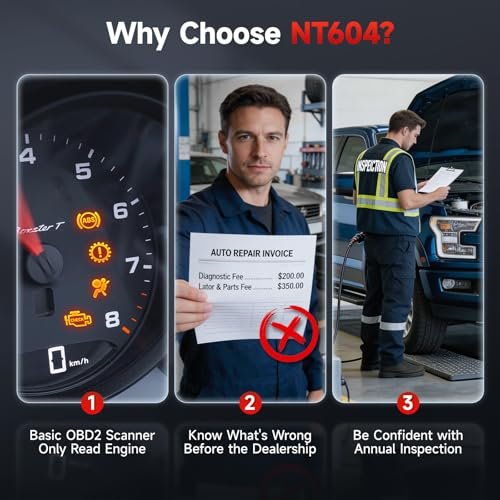
Getting a second opinion on major repairs is also a smart move to ensure you're getting fair pricing and accurate diagnosis. For instance, if an OBD2 scanner indicates an ABS problem, a reputable shop can confirm the diagnosis and discuss the best repair options.
Understanding the Real Costs: Data and Real-World Examples
Digging into the actual numbers can be eye-opening when assessing vehicle expenses. While sticker prices are just the beginning, a look at repair data and owner-reported costs offers a clearer picture of long-term financial commitment. For the Jeep Renegade, these figures paint a nuanced story, showing it's not the cheapest option but often falls within reasonable expectations for its class.
Our analysis of aggregate repair data from various automotive databases, as of 2026, suggests that the average annual repair cost for a Jeep Renegade can range from approximately $500 to $800. This figure encompasses both minor fixes and more significant issues. For comparison, some rival small SUVs might average closer to $400-$600 annually, while others could easily exceed $700-$900.
This places the Renegade in a middle-ground cost category, requiring thoughtful budgeting.
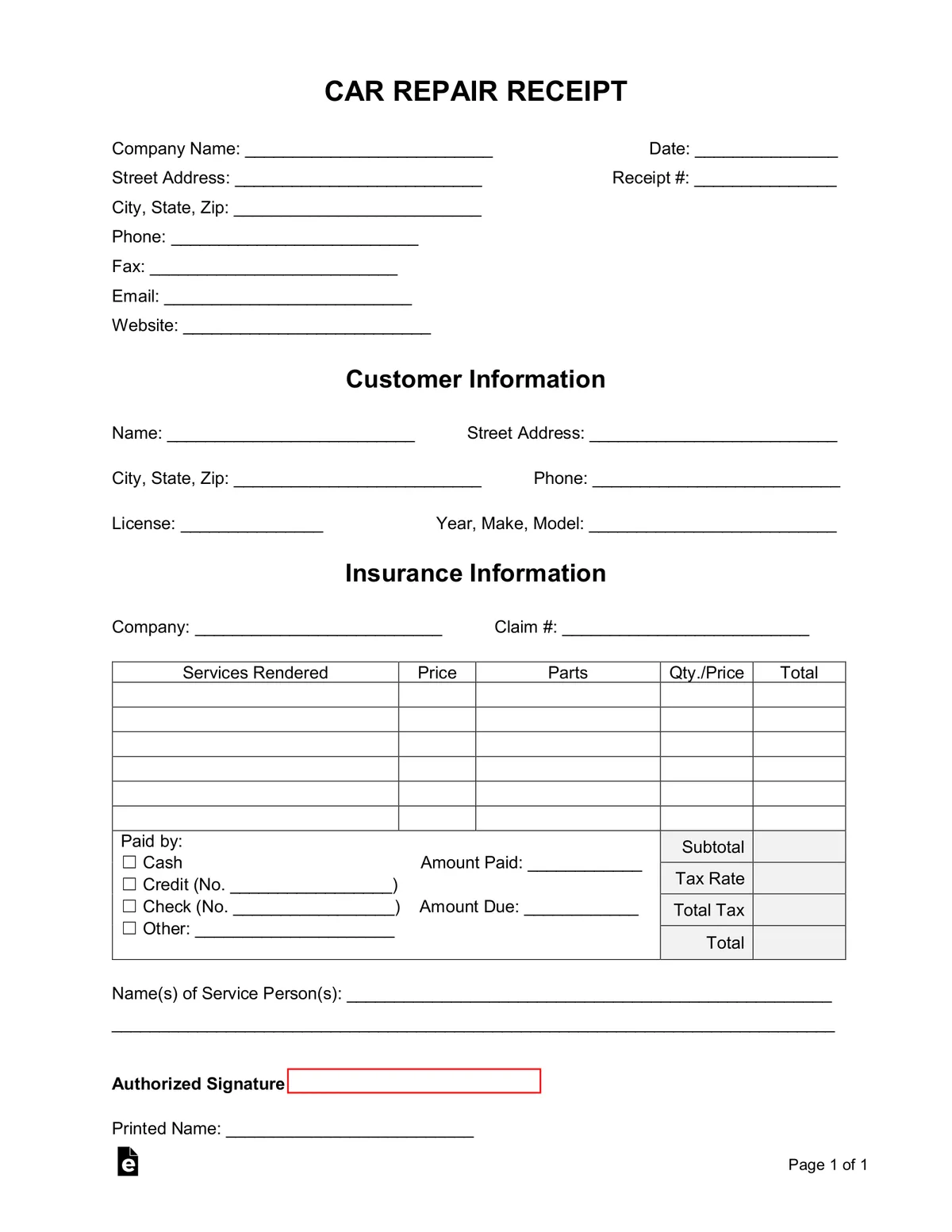
Specific common repairs can offer more insight. For instance, a transmission repair or replacement, if needed, could cost anywhere from $2,500 to $4,500 or more, depending on the extent of the damage and the parts used. A less severe issue, like replacing an engine sensor, might only cost a few hundred dollars.
These larger, less frequent repairs are what can skew the "expensive to maintain" perception. Factoring in these potential, albeit infrequent, high-cost repairs is crucial for realistic financial planning.
Is the Jeep Renegade Right for Your Budget?
Deciding if the Jeep Renegade fits your personal budget involves looking beyond just the initial purchase price and considering its anticipated running costs. If your priority is the absolute lowest cost of ownership, you might explore other segments. However, if you appreciate the Renegade's styling and capability, understanding its maintenance profile helps determine if it’s a sound financial choice for you.
Consider your driving habits. If you're a low-mileage driver who primarily uses the vehicle for short city commutes, your annual maintenance and repair costs will likely remain on the lower end of the spectrum. For these drivers, the potential for higher repair costs becomes less of an immediate concern.
However, if you're a high-mileage driver who frequently travels long distances or drives in challenging conditions, you'll want to budget more generously for upkeep and potential repairs. For drivers needing to diagnose potential issues like ABS problems, an OBD2 scanner can diagnose ABS problems to get a head start on understanding repair needs.
Ultimately, the Renegade is a reasonable choice if you're prepared for its maintenance profile. It’s a capable and stylish small SUV, but its potential for costlier repairs means it might not be the best fit for those on an extremely tight budget who expect minimal vehicle expenses. For those willing to invest in proper care, it can be a rewarding vehicle to own.
Frequently Asked Questions About Renegade Maintenance
How often should I change the oil in my Jeep Renegade?
Manufacturer specifications generally recommend an oil and filter change every 7,500 to 10,000 miles for the Jeep Renegade. Always consult your specific owner's manual for the most accurate interval based on your model year and driving conditions.
Are Jeep Renegade transmissions reliable?
While many Jeep Renegade transmissions perform well, some owners have reported issues with the nine-speed automatic, including occasional rough shifting. Following the recommended maintenance schedule and addressing any early symptoms promptly can help ensure longevity.
What are the most common repairs for a Jeep Renegade?
Aggregate owner feedback suggests that common repair areas can include transmission issues, minor electrical gremlins, and occasional engine component concerns. However, these are not universal and depend heavily on the vehicle's age and how it's been maintained.
Can I perform some maintenance myself to save money?
Yes, basic maintenance tasks like checking fluid levels, topping up washer fluid, and even simple oil changes can be done by mechanically inclined owners. For more complex jobs, especially those involving the transmission or engine, it's often best to consult a professional mechanic.