What Muscles Does a Rowing Machine Work
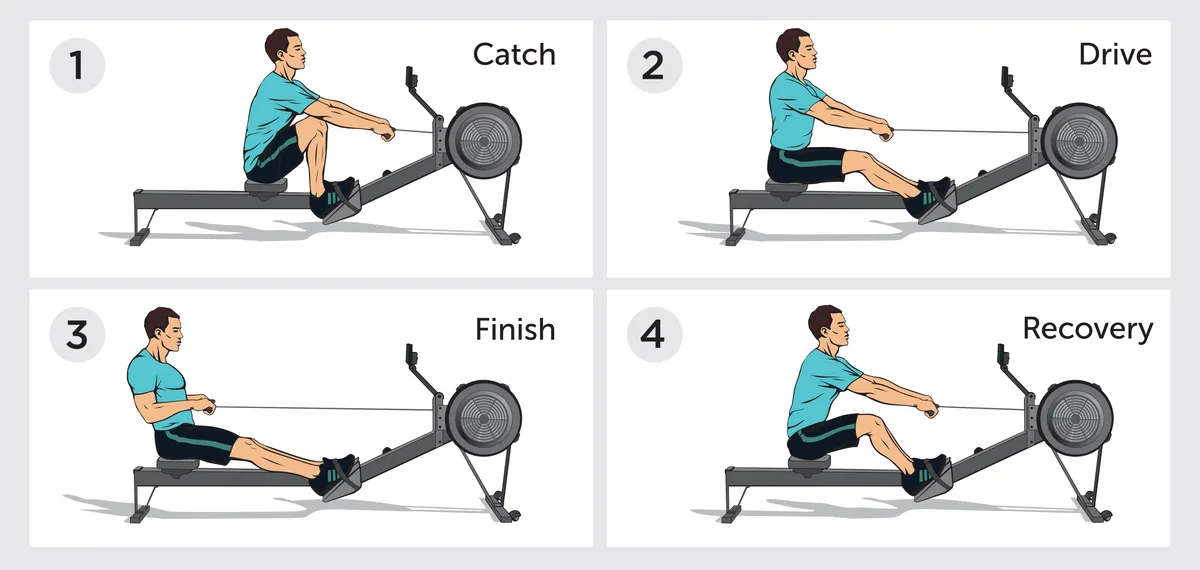
Image source: Bing (Web (fair-use with source credit))
When you hop on a rowing machine, you're not just giving your arms a workout. The real magic of what muscles does a rowing machine work lies in its ability to engage your entire body in a fluid, powerful motion. It’s a fantastic way to build both strength and endurance efficiently.
This low-impact exercise mimics the sport of rowing, targeting major muscle groups from your legs all the way up to your shoulders. Manufacturer specifications often highlight its full-body engagement, making it a go-to for a comprehensive fitness routine. Let’s dive into precisely how this machine sculpts your physique.
Understanding the Rowing Stroke: It's More Than Just Arms
The rowing stroke is a coordinated sequence of movements, and understanding each phase is key to maximizing muscle activation and efficiency. It's a cyclical process, with each part building upon the last to create momentum. Getting this sequence right ensures you're not just moving the handle, but driving power from your whole body.
The Catch
The catch is where your body prepares for the drive. You're positioned at the front of the machine, knees bent, shins relatively vertical, and arms reaching forward to grip the handle. Your core is engaged, maintaining a stable posture.
This initial position readies your legs and core to initiate the movement.
The Drive
This is the power phase, where you'll feel most of the work in your legs. You push through your feet against the footrests, extending your knees and hips simultaneously. As your legs straighten, you lean back slightly, engaging your core and back muscles.
Your arms remain relatively straight during the initial leg drive, acting as a connection to the handle.
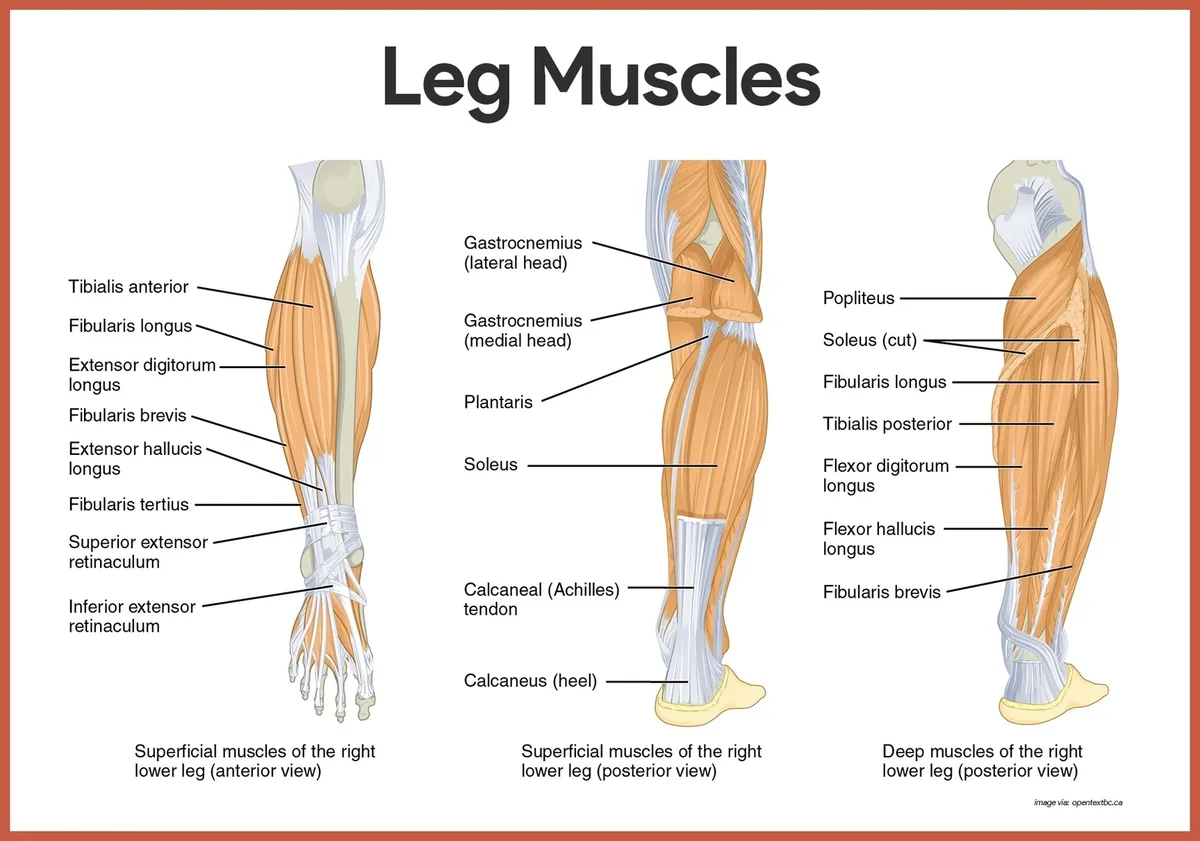
Image source: Bing (Web (fair-use with source credit))
The Finish
As your legs reach near full extension, you now pull the handle towards your chest, engaging your back and arm muscles. Your shoulders retract, and your elbows bend, bringing the handle to the lower part of your ribcage. Your core remains braced to prevent excessive leaning.
This phase transfers the power generated by your legs into forward momentum.
The Recovery
The recovery is the controlled return to the starting position. It's not just coasting; it's an active process. You extend your arms forward first, then hinge at your hips, and finally, bend your knees to slide the seat forward.
This controlled movement helps prepare for the next stroke while maintaining balance and engaging stabilizing muscles.
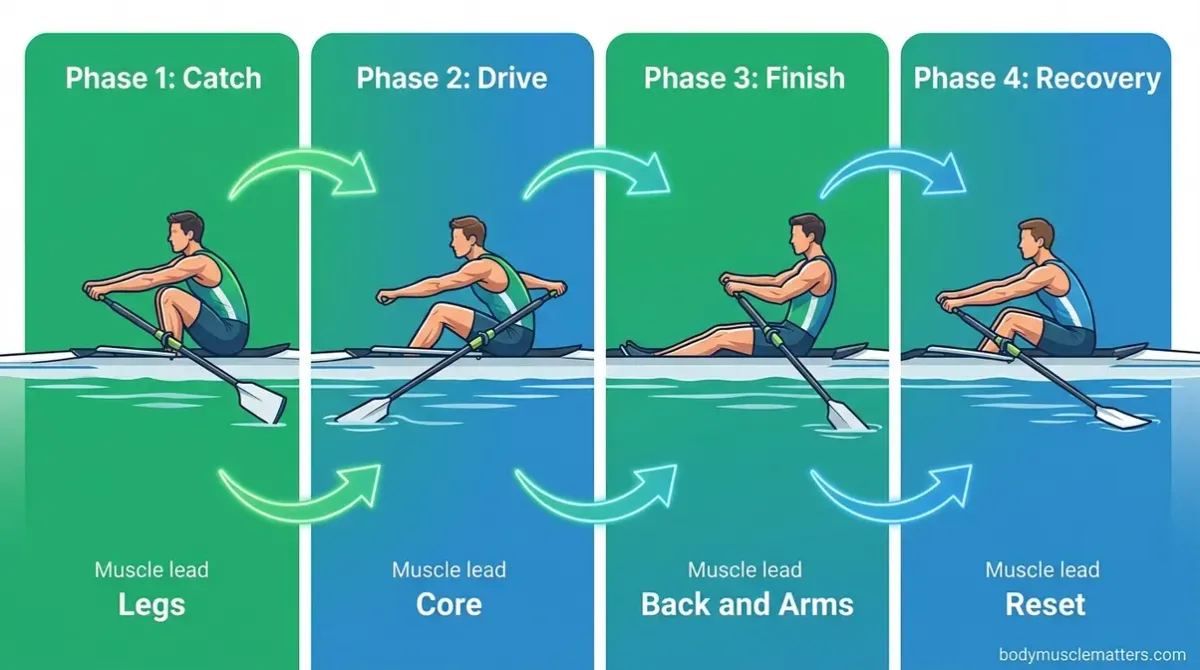
Image source: Bing (Web (fair-use with source credit))
Your Entire Body on a Rower: Muscle Breakdown
A rowing machine is a master of full-body workouts. It recruits a wide array of muscles in a single, fluid motion, making it incredibly efficient for fitness. Knowing which muscles are firing helps you focus on form and maximize the benefits.
Legs: The Powerhouse
The primary movers on the rowing machine are your legs. When you push off the footrests, you're primarily engaging:
- Quadriceps: The muscles at the front of your thighs, responsible for extending your knees.
- Hamstrings: The muscles at the back of your thighs, which work to extend your hips.
- Glutes (Gluteal Muscles): Your buttock muscles, crucial for hip extension and generating significant power.
- Calves: While less dominant, they contribute to the final push at the footrests.
These muscles work together to drive the boat (or the machine's resistance) forward.
Core: The Stabilizer
Your core is the unsung hero of the rowing stroke, keeping you stable and transferring power. Key muscles include:
- Abdominals (Rectus Abdominis, Obliques): These muscles brace your torso, preventing hyperextension of your back during the drive and finish.
- Erector Spinae: Muscles along your spine that help maintain an upright posture and prevent slouching.
- Transverse Abdominis: The deepest abdominal muscle, acting like a natural corset to stabilize your spine.
A strong core prevents injury and ensures that the power generated by your legs is effectively transmitted.
Back: The Support System
Your back muscles play a vital role, especially during the drive and finish phases. They include:
- Latissimus Dorsi (Lats): Large muscles in your mid-back, responsible for pulling the handle towards your body.
- Rhomboids and Trapezius: Muscles between your shoulder blades, helping to retract and stabilize your shoulders.
- Lower Back Muscles: Working in conjunction with the core to maintain posture.
Arms & Shoulders: The Finishers
While the legs do the heavy lifting, your arms and shoulders complete the stroke. They engage during the pull phase and help control the recovery:
- Biceps: Muscles at the front of your upper arms, assisting in pulling the handle.
- Forearms: Muscles in your forearms and hands grip the handle and control the wrist.
- Deltoids (Shoulders): Muscles in your shoulders help with the pulling motion and control arm movement.
Rowing Machine Workout Benefits: Beyond Just Muscle
Using a rowing machine offers a suite of advantages that extend far beyond just toning specific muscle groups. It’s a holistic approach to fitness, promoting overall well-being and athletic development.
Cardiovascular Gains
As a highly effective aerobic exercise, rowing significantly boosts your cardiovascular health. It elevates your heart rate consistently, strengthening your heart muscle and improving blood circulation. Regular rowing can help lower resting heart rate and blood pressure.
Per guidelines from the U.S. Department of Health and Human Services, aiming for at least 150 minutes of moderate-intensity aerobic activity per week is recommended, and rowing easily helps meet this target.
Calorie Burn Efficiency
Rowing is a champion when it comes to calorie expenditure. Because it engages so many large muscle groups simultaneously, you burn a substantial number of calories in a shorter amount of time compared to many other cardio machines. For instance, a person weighing around 155 pounds could burn approximately 377 calories in 30 minutes of vigorous rowing.
This makes it an excellent tool for weight management and fat loss goals.
Low-Impact, High Reward
Unlike high-impact activities like running or jumping, rowing places minimal stress on your joints, particularly your knees and ankles. This makes it an ideal choice for individuals with joint pain, those recovering from injuries, or older adults looking for a safe yet effective workout. You get the benefits of intense physical exertion without the jarring impact.
This also makes it a great complement to other training routines, reducing the risk of overuse injuries.
Common Rowing Mistakes to Sidestep
While rowing is generally safe and effective, improper form can lead to reduced efficiency and, more importantly, potential injuries. Being aware of common errors is crucial for getting the most out of your workout.
Form Fumbles
Many users unknowingly fall into bad habits that compromise their stroke. A frequent mistake is initiating the pull with the arms too early, rather than waiting for the leg drive to complete. This shifts the workload away from the powerful leg muscles to the less powerful arm and shoulder muscles, significantly reducing efficiency and increasing strain on the upper body.
Another common issue is "crunching" forward during the recovery, where the upper body folds too aggressively, shortening the stride and minimizing the core engagement.
Pacing Pitfalls
One common pacing error is focusing too much on handle speed (strokes per minute or SPM) without considering the power being generated on each stroke. A rapid, light stroke won't provide the same full-body workout or cardiovascular challenge as a powerful, well-paced stroke. Conversely, some users may pull too hard but not recover efficiently, leading to fatigue without completing the full range of motion.
For optimal results, a balanced approach that emphasizes power through the legs and a controlled recovery is key, often guided by real-time metrics like watts.
Optimizing Your Rowing Experience
Getting the most out of your rowing machine workout involves more than just showing up. A few smart adjustments can significantly enhance effectiveness, boost your results, and make your sessions more enjoyable.
Finding Your Rhythm
The rhythm of your rowing stroke, often measured by strokes per minute (SPM), is crucial for efficiency and endurance. While there's no single "perfect" SPM for everyone, a common recommendation for steady-state cardio is between 20-30 SPM. A lower SPM (around 20-24) typically allows for more power per stroke and a longer recovery, focusing on strength and endurance.
A higher SPM (25-30+) can feel more like a sprint, increasing heart rate rapidly but potentially sacrificing power if not executed correctly. Experimenting to find a pace that feels sustainable and effective for your fitness goals is key.
Adjusting Resistance
Most rowing machines offer adjustable resistance, usually controlled by air, magnetic, water, or hydraulic systems. This setting dictates how much force you need to exert to move the handle. For general fitness and calorie burning, a moderate resistance is often recommended, allowing you to maintain a consistent stroke rate and power output for a sustained period.
If your goal is strength building, you might opt for higher resistance, which will naturally decrease your SPM and require more power from your legs and back. Always ensure that even with higher resistance, your form remains intact.
Comparison: Rowing Machine vs. Other Cardio Options
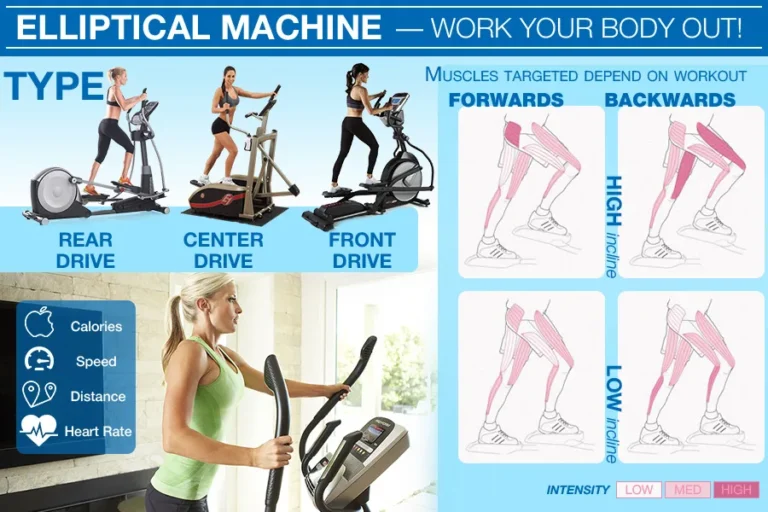
When considering how to work those muscles, the rowing machine stands out among cardio equipment. Unlike treadmills that focus heavily on the lower body, or stationary bikes that isolate the legs, rowing offers a comprehensive engagement. For instance, while elliptical machines provide a low-impact, full-body feel, they typically engage the upper body more passively than rowing.
If you're looking for an exercise that offers a serious cardiovascular challenge alongside significant muscle activation across your entire body, rowing is a top contender. It demands coordination and power from your legs, core, back, and arms, providing a balanced workout that many other machines can't match. If you're interested in exploring alternatives, you might find devices like compact elliptical machines offer a good space-saving option for cardio, or perhaps adjustable dumbbells for targeted strength work.
Who Benefits Most from Rowing?
Rowing machines are incredibly versatile and beneficial for a wide range of individuals, from seasoned athletes to beginners. Their low-impact nature makes them accessible for those seeking to improve fitness without putting excessive strain on their joints. People looking to enhance their cardiovascular endurance, build functional strength, or burn calories efficiently will find rowing highly effective.
For athletes, rowing serves as excellent cross-training. Rowers themselves use ergometers extensively to build power and stamina. However, individuals focused solely on maximal strength might prefer dedicated weightlifting routines with equipment like hex dumbbells.
For seniors or those new to exercise, a rowing machine offers a gentler introduction to a full-body workout compared to higher-impact options, provided proper form is maintained. Ultimately, anyone seeking a time-efficient, full-body workout that strengthens both muscles and the heart can benefit greatly.
Frequently Asked Questions About Rowing Muscles
Does rowing work your abs?
Yes, rowing significantly works your abdominal muscles. Your core is engaged throughout the stroke to stabilize your torso and transfer power from your legs. The bracing and control needed during the drive and recovery phases actively engage your rectus abdominis, obliques, and transverse abdominis.
Can rowing build significant muscle mass?
Rowing is excellent for building muscular endurance and toning, and it does contribute to muscle hypertrophy, especially in the legs, glutes, and back. However, for maximal muscle mass gains, traditional heavy resistance training with weights, such as using dumbbells for strength training, is generally more effective due to the ability to progressively overload specific muscle groups.
How many calories can you burn rowing?
Calorie burn on a rowing machine varies based on intensity, duration, and individual body weight. A moderate 30-minute session can burn anywhere from 250 to 400 calories. For a more vigorous workout, this number can climb even higher.
Is rowing better than running for cardio?
Rowing and running are both excellent cardiovascular exercises, but they offer different benefits. Rowing provides a full-body, low-impact workout, engaging more muscle groups and burning a comparable or higher number of calories in less time. Running is a high-impact exercise that excels at improving bone density and is very accessible, but it can be harder on the joints.
The "better" choice depends on individual fitness goals and physical condition.