How to Troubleshoot a Slow Cooker
If your slow cooker has stopped heating, started burning dinner, or simply won't switch on, these troubleshooting steps will help you find the culprit. Learning how to troubleshoot a slow cooker doesn't have to mean a trip to the repair shop or an expensive replacement. Most common failures are easy to diagnose with a few basic tools and a little patience.
Manufacturer specifications indicate that a healthy slow cooker pulls between 70 and 300 watts and typically holds around 200°F on low and 300°F on high. As of 2026, most models still use the same simple heating coil design, which makes them surprisingly predictable to repair. Let's start by working out exactly what your slow cooker is doing, and what it isn't.
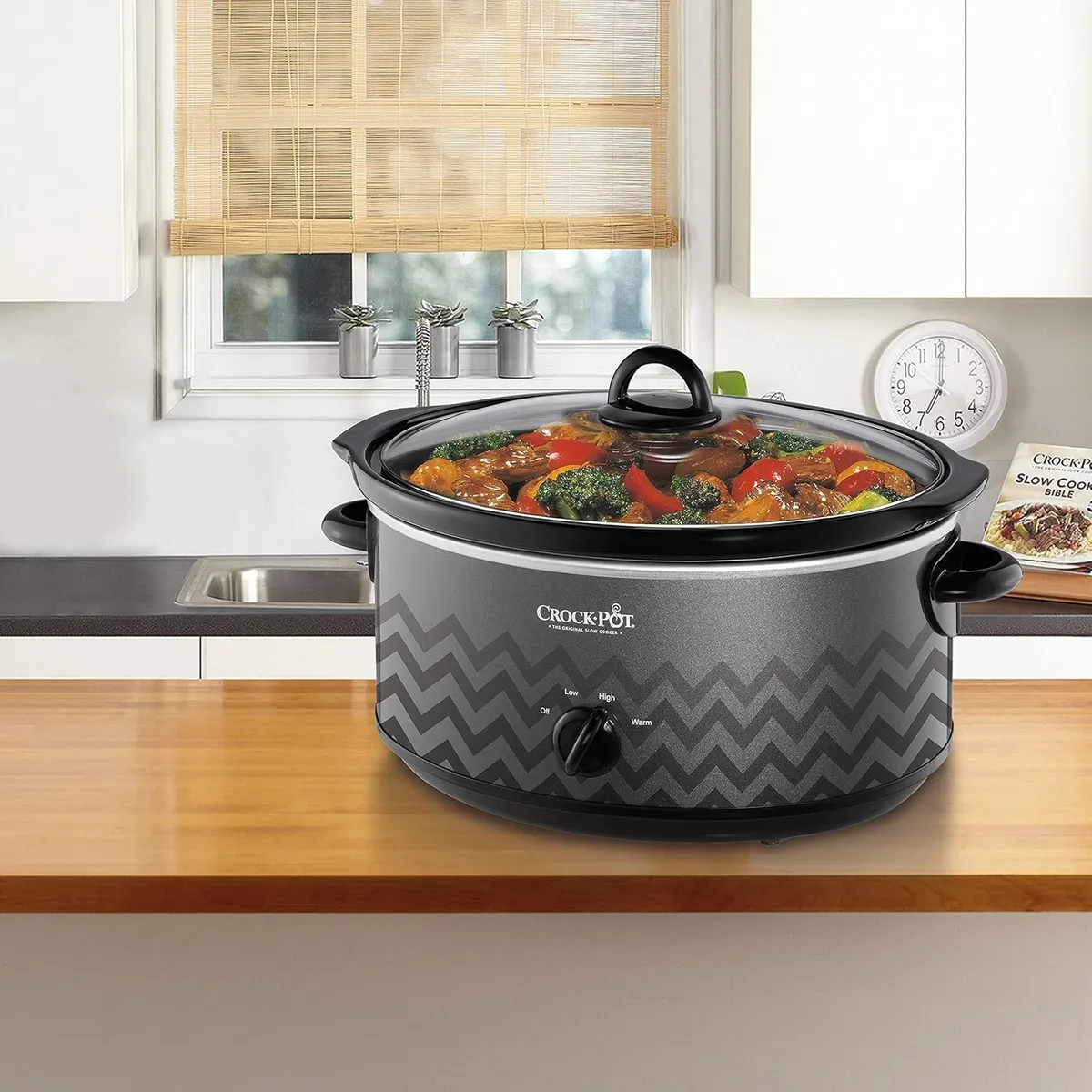
Image source: Bing (Web (fair-use with source credit))
First, Nail Down the Exact Symptom
Slow cookers are simple machines, but the range of weird behaviors can feel overwhelming. The fastest way through this is to ask one question: what exactly is happening? Not what you think is wrong, but what the cooker is actually doing.
Here are the four symptom categories. Match yours, and you'll know exactly which troubleshooting branch to take.
| Symptom Category | What It Looks Like |
|---|---|
| Power failure | No lights, no heat, knob does nothing |
| Heat failure | Turns on, but never gets hot or heats unevenly |
| Cooking failure | Cooks too fast, too slow, or food comes out wrong |
| Physical damage | Cracked ceramic, broken lid, frayed cord |
Power issues come from the electrical side: the outlet, cord, or internal fuse. Heat issues point to the heating element or thermostat. Cooking issues often tie back to the stoneware, lid, or even your ingredients.
Physical damage is the only branch where replacement is usually the answer.
Pick your category. If you're seeing multiple problems, start with the most obvious one, like a dead unit or a cracked insert. Then we'll dig into the first branch.
The same logic applies here as when you're dealing with a mixer that stops spinning.
The Power Branch: Why Won’t My Slow Cooker Turn On?
If your slow cooker is completely dead, the issue is almost always in the power path. Work through these steps in order.
Step 1: Test the outlet first. Plug a lamp or phone charger into the same wall socket. If that doesn't work, you likely have a dead outlet or a tripped breaker. Check the panel and reset if needed.
This step saves you from tearing apart a perfectly good cooker.
Step 2: Inspect the power cord. Look for frays, burns, or exposed wires. If the cord feels warm or smells like melting plastic, unplug it immediately. A damaged cord means a repair or replacement, not a quick fix.
Never use electrical tape to patch a power cord.
Step 3: Verify the control knob or display. On analog models, make sure the knob is actually clicking into a setting. Some dials spin freely when the internal switch breaks. On digital models, check for a blank screen.
The same process you'd use to check if a kitchen scale is accurate applies here: press firmly, listen for clicks, and watch for any response.
Step 4: Consider a blown thermal fuse. If the outlet and cord are fine but you still get zero power, the internal thermal fuse may have blown. That's a common safety cut-off after a power surge or overheating. Replacing it requires a multimeter and basic soldering skills.
If that feels out of your depth, call a professional or consider a new unit, since a blown fuse often signals deeper failure.
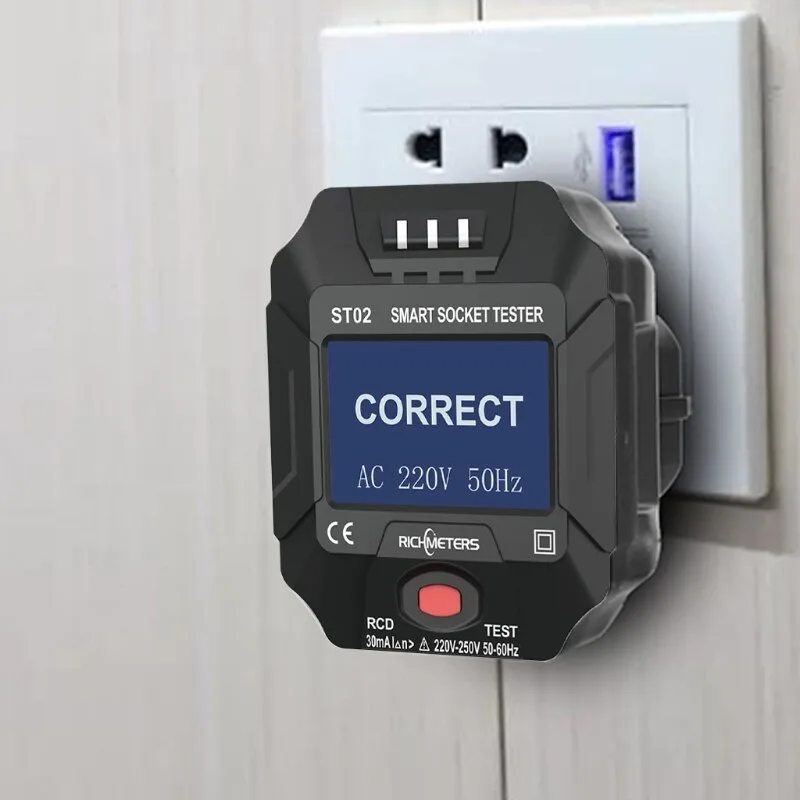
Image source: Bing (Web (fair-use with source credit))
The Heat Branch: Too Slow, Too Fast, or Never Gets Hot Enough
If the power is fine but temperatures are off, you need to measure what's actually happening. Don't guess. Use a simple water test.
Step 1: Fill the stoneware with 2 cups of water. Put the lid on. Set the cooker to High and wait 15 to 20 minutes. A healthy slow cooker will show visible steam and hot water by then.
Step 2: Check the temperature with an instant-read thermometer. Manufacturer specs say Low should sit around 200°F and High around 300°F. Keep-warm mode typically hovers between 145°F and 165°F. If your readings fall well outside those ranges, you've found the problem.
Step 3: Look at the heating element. If the water stays cold, the heating coil may be burned out. Sometimes you can see visible breaks or hot spots near the element. On many models, you can test continuity with a multimeter, but if you're not comfortable, a replacement base is often more economical.
Step 4: Suspect the thermostat. If the cooker runs too hot, the thermostat might be stuck closed. If it barely warms up, the thermostat could be stuck open. This isn't a user-serviceable part on most units.
In our research, we found that thermostat failures are far less common than element failures, so don't jump to this conclusion first.
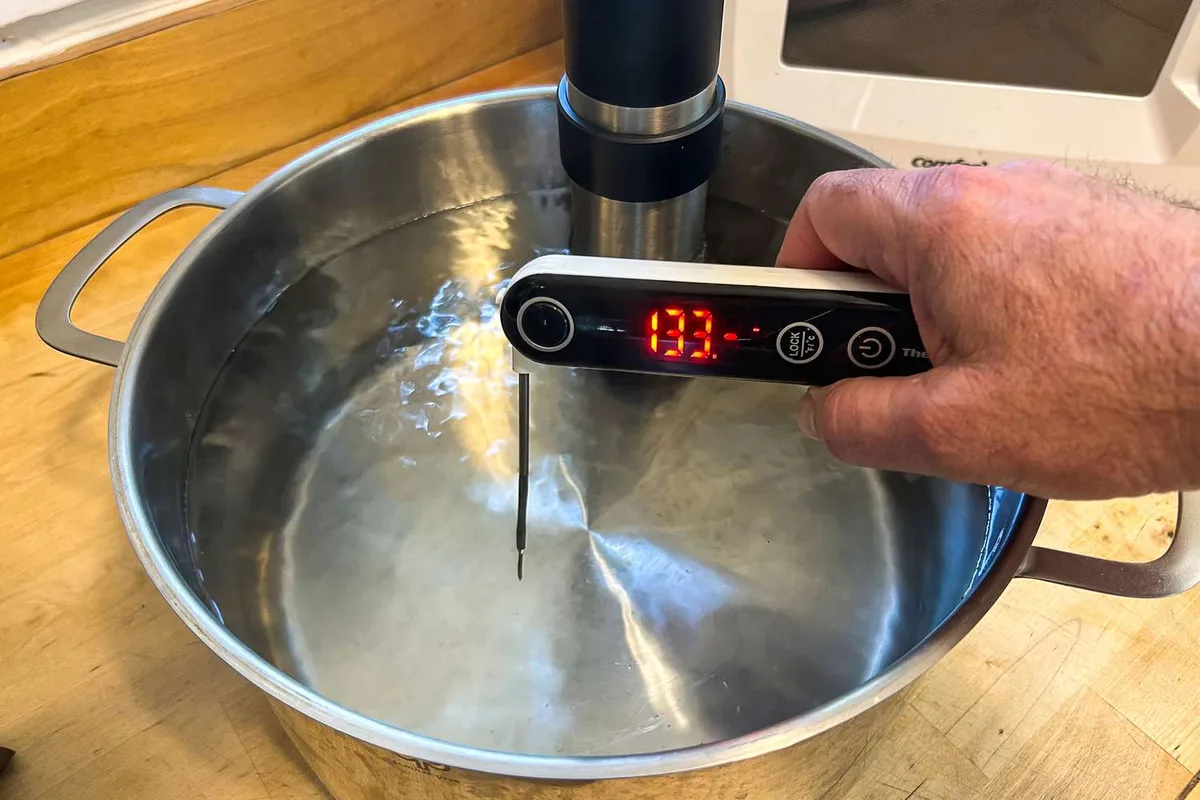
Image source: Bing (Web (fair-use with source credit))
The Cooking Branch: Food Undercooked or Overcooked When It Looks Fine
Sometimes the cooker heats perfectly, but dinner still comes out wrong. Soft vegetables, dry meat, or a layer of burned food on the bottom. That's usually a different problem entirely.
Check the stoneware fit. The insert must sit flush against the heating element. A warped or misshapen ceramic pot creates air gaps, which cause uneven heat. Gently rotate the insert while it's in the base.
If it rocks or slides, you've got a seating issue.
Examine the lid seal. A loose lid lets steam escape, which means lower temperatures and dry food. Place a piece of paper between the lid and the rim. If you can pull it out easily, the seal is weak.
Some models have a vent hole, which is normal, but a cracked or chipped rim can cause excessive vapor loss.
Factor in frozen ingredients. Dropping a block of frozen chicken into a slow cooker can drop the internal temperature by 20°F or more for the first hour. That extends cooking time significantly. The USDA recommends fully thawing meat before slow cooking for even, safe results.
Verify safe final temperatures. Use your instant-read thermometer to confirm food reaches safe minimums. Poultry needs 165°F, ground meats 160°F, and beef or pork around 145°F. If you're unsure about readings, test multiple spots.
Check the center and the thickest part of the meat, not just the surface.
When It’s the Stoneware or the Lid: Cracks, Chips, and Poor Seals
Physical damage isn't something to patch. It's something to replace. And that's one branch where you shouldn't try to save money.
Never cook in cracked stoneware. Cracks harbor bacteria, can leak hot liquid, and can shatter completely during a heating cycle. A chipped rim is equally risky, especially if the chip is on the cooking surface. Sharp edges can end up in your food.
Replace the insert.
Find a direct replacement. Most manufacturers sell replacement stoneware inserts. Check the model number on the bottom of the base and search for that exact part. Crock-Pot brand units typically have replacement inserts available directly from their site.
If the insert is glazed and the crack is small, some people try ceramic repair kits, but those aren't food-safe for high heat. Don't risk it.
Check the lid for warps. Heat and dishwasher cycles can warp glass lids. A warped lid sits unevenly, allowing steam to escape and changing cooking times. A new lid is usually affordable, but ensure it matches your model for a proper seal.
Clean the insert gently to maintain it. Harsh scrubbing, thermal shocks, and dishwasher use slowly weaken the ceramic. Hand washing with warm soapy water extends the insert's life significantly. It's the same idea as maintaining your food scale in good shape so it stays reliable.
Soft cleaning, careful handling, and regular inspection go a long way.
Common Mistakes That Make Slow Cooker Troubleshooting Worse
You'd be surprised how many slow cookers end up in the trash over a tripped breaker. Most failures trace back to simple oversights. Avoiding these mistakes turns a confusing diagnosis into a five-minute fix.
- Skipping the outlet test. Plug another device into the same outlet first. This step separates a dead outlet from a dead cooker.
- Overloading the circuit. A slow cooker and an electric kettle on the same breaker can trip it. Appliance loads add up fast, especially in older kitchens.
- Inspecting the cooker while plugged in. Unplug the unit before touching the cord, base, or heating element. This safety miss causes painful shocks.
- Replacing parts before checking the warranty. Most manufacturers cover the thermal fuse and heating element for a year. A repair shop will charge more than a new budget unit costs, so call customer service first.
- Ignoring recalls. Agencies like the Consumer Product Safety Commission list fire and shock hazards for specific models. Searching your model number takes one minute. Start simple, methodically, and don't skip the obvious checks.
Your Slow Cooker Troubleshooting Decision Guide at a Glance
When dinner is raw and the clock is ticking, you need a fast map. Here's the quick-reference table for the most common symptoms.
| Symptom | First Check | Fix or Replace |
|---|---|---|
| Won't turn on | Outlet, cord, knob | Reset breaker, replace cord, or repair thermal fuse |
| Lights on, no heat | Water test at 20 minutes | Replace heating element or base |
| Runs too hot | Thermostat reading | Replace thermostat or base |
| Food burns on bottom | Lid seal, heat setting | Use Low, check lid fit |
| Food undercooked | Frozen ingredients, insert seating | Thaw first, adjust insert |
| Cracked stoneware | Visual inspection | Replace insert immediately |
Repair costs more than half the price of a new unit? Choose replacement. New slow cookers start around $50, while a replacement insert alone can run $20 to $80.
That math only makes sense for a premium model. Knowing when to cut your losses is a skill, just like deciding whether to fix a mixer that's started grinding or retire it. Before you replace anything, look up the model number and warranty terms.
Many issues get solved with a free part. Always cross-check your plan with the USDA's official slow cooker safety guidance.
Slow Cooker Troubleshooting FAQs
Why is my slow cooker taking longer than usual?
Usually a lid seal or frozen ingredients. A cracked lid lets heat escape, and frozen meat drops the internal temperature. Thaw proteins first and make sure the lid sits flush.
If timing is still off, run a water test and compare against the expected 200°F on Low.
Is it safe to use a slow cooker that smells like burning plastic?
No. A burning plastic odor often means melted wiring or a failing component. Unplug it immediately and check the cord, base, and outlet for scorch marks.
Replace the unit if anything looks damaged. It costs more to risk a kitchen fire than to buy a new cooker. Regular upkeep won't fix an electrical fault.
Can I put a cold stoneware insert into a heated base?
No. Thermal shock can crack the ceramic instantly. Always load your ingredients before turning on the heat, and let a chilled insert warm to room temperature first.
A cracked insert can leak hot liquid and harbor bacteria. Replace it rather than risk cooking in it.
How long should a slow cooker last?
Most last 3 to 7 years with regular use. The heating element and thermostat wear out over time. If your cooker fails below the 3-year mark and it's still under warranty, contact the manufacturer first.
For long-term reliability, hand wash the insert and keep the base clean. It's the same approach as keeping a mixer safely stowed between uses. Care extends lifespan.