Where Is The Obd2 Port Located: Find It Fast
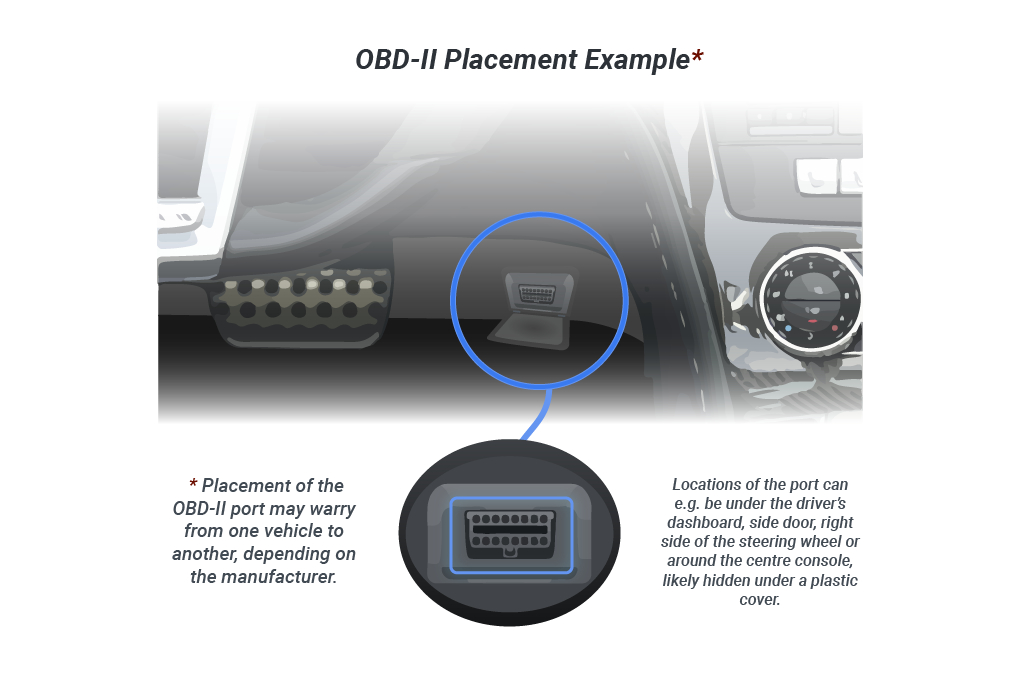
The OBD2 port is usually under the dash on the driver’s side, near the steering column.
If you have ever needed to scan a check engine light, reset a code, or check live data, knowing where the OBD2 port is located saves time fast. I have spent years around cars, and this is one of those small details that can feel confusing the first time but becomes second nature once you know the usual spots and the exceptions.

What the OBD2 port is and why it matters
The OBD2 port, also called the diagnostic link connector, is the standard access point for reading data from your vehicle’s onboard computer. It is the place where a scan tool, code reader, or telematics device plugs in. Once connected, it can pull trouble codes, emission data, sensor readings, and other useful information.
Most drivers only think about the OBD2 port when a warning light comes on. But it is also useful for routine checks, used car inspections, emissions testing, and troubleshooting strange behavior like rough idle or poor fuel economy. In my experience, the port is often the first place I check before guessing at a problem, because it gives the car a voice instead of forcing you to play detective.
The standard was made to keep diagnostics more consistent across vehicles. In the U.S., OBD2 became mandatory for most cars and light trucks sold from 1996 onward, which is why the connector shape and general function are so familiar across brands.

Where is the OBD2 port located in most vehicles?
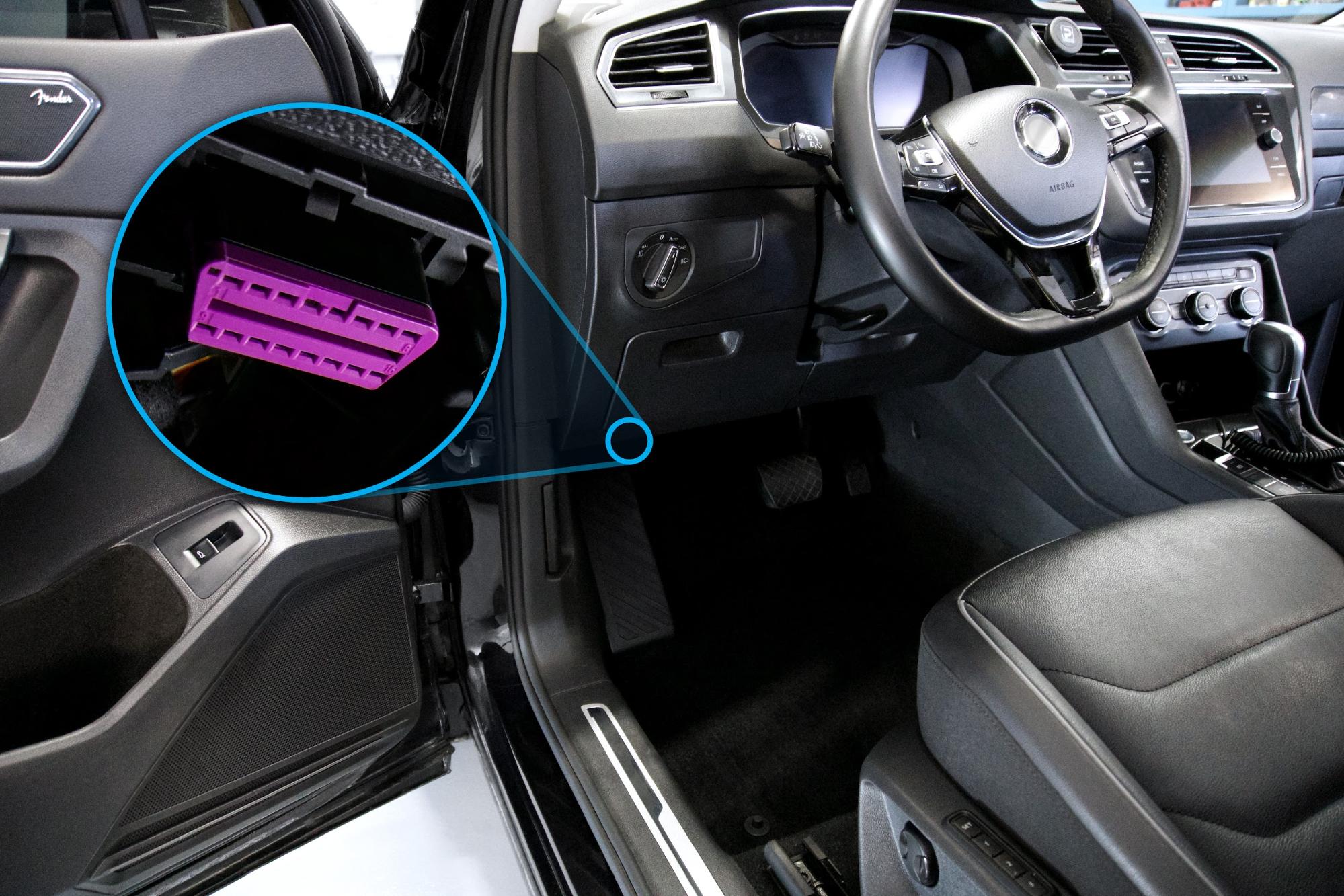
In most vehicles, the OBD2 port is found under the dashboard on the driver’s side. It is usually within reach of the steering wheel, often just above the pedals or near the lower edge of the dash. The port is a 16-pin trapezoid-shaped connector, so it stands out once you spot it.
Common locations include:
- Under the steering column, facing downward
- Near the fuse box under the driver-side dash
- Above the driver’s left knee
- Around the kick panel area by the door
- Behind a small plastic cover labeled for diagnostics
Some vehicles place it a little higher or deeper than expected. I have seen drivers miss it because they were looking straight ahead, when the port was tucked slightly to the left and hidden by trim. A flashlight and a slow scan of the lower dash usually solve the mystery.
How to find the OBD2 port step by step
If you are not sure where is the OBD2 port located in your vehicle, a simple search pattern helps. Do not overthink it. Start with the driver side and work your way down and left.
Follow these steps:
- Sit in the driver’s seat and look below the steering wheel.
- Check the lower dash area, especially around knee level.
- Look near the fuse panel or any removable plastic cover.
- Scan for a trapezoid-shaped 16-pin connector.
- Use a flashlight if the area is dark.
- If needed, feel around gently with your hand for a loose, exposed port.
If you still cannot find it, check the owner’s manual. Many manuals show the exact location. Some vehicles also label the port location in the fuse box diagram or diagnostic section.
Why the OBD2 port is usually in the same place
The reason the OBD2 port is commonly under the driver-side dash is simple: it was designed for easy access. Technicians need to plug in scan tools quickly, and the driver area gives a practical balance between convenience and wiring layout. It also keeps the port close to the vehicle’s main electronic systems.
There is also a safety angle. The location makes it accessible without needing to remove major panels or parts. That said, automakers still have some freedom in the exact placement, so there are variations between brands, models, and body styles.
A good way to think about it is like a home internet router port. The purpose is the same no matter where it sits, but the exact spot may vary a little depending on the layout of the room.

OBD2 port locations by vehicle type
The exact answer to where is the OBD2 port located depends on the type of vehicle you own. Most follow the same pattern, but some body styles and brands have small differences.
Passenger cars
In sedans, hatchbacks, and compact cars, the port is usually under the driver-side dashboard. It may be just above the footwell or slightly left of the steering wheel. Small cars often place it closer to the center because space is tighter under the dash.
SUVs and crossovers
SUVs often keep the port near the driver’s knee area, but it can be a little deeper in the dash. Some larger models hide it beside the lower steering column trim or near the fuse panel. A lot of SUV owners miss it because the lower dash is shaped differently than in a sedan.
Pickup trucks
Pickup trucks often put the OBD2 port under the dash near the driver’s left leg or under the steering wheel. In some trucks, it may sit farther left, close to the door opening. I have found that truck interiors sometimes have more trim panels, so the port is there, just less obvious.
Vans and minivans
Vans and minivans may place the connector under the driver’s dash, but some models move it closer to the center console or even under the storage area. This is one category where checking the manual can save real time. Interior packaging in family vehicles can make the port harder to spot.
Electric and hybrid vehicles
Most EVs and hybrids still have an OBD2 port, and it is usually in a familiar location under the driver-side dash. However, the connector may be used for more than engine faults, including battery and system diagnostics. Since these vehicles have more complex control modules, the port is still a key access point for service work.
What to do if you cannot find the OBD2 port
If you are asking where is the OBD2 port located and still coming up empty, do not assume your vehicle does not have one. Most passenger vehicles sold for road use in the U.S. after 1996 do have it. The challenge is usually visibility, not absence.
Try these tips:
- Check the owner’s manual
- Look under removable dash covers
- Search around the fuse panel
- Use a flashlight and mirror
- Search online for your exact year, make, and model
- Ask a mechanic or dealership service department
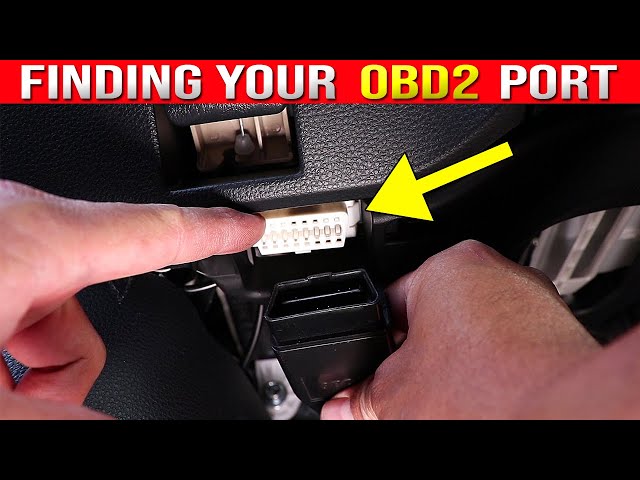
One mistake I have seen many times is people looking only for a visible plug. Sometimes the port is slightly recessed or tucked behind a small flap. Another common issue is confusing it with other connectors that are similar but not standardized diagnostic ports.
What an OBD2 port looks like
The OBD2 port is easy to identify once you know the shape. It has 16 pin slots arranged in two rows, with a slightly trapezoid outline. This shape helps prevent incorrect plugging.
Signs you found the right connector:
- 16 pin slots
- Black, gray, or sometimes white plastic
- Mounted under the dash, usually not connected to anything else
- Often exposed or partially covered by a small panel
If you see a connector with fewer pins or a round shape, that is probably not the OBD2 port. Some vehicles also have factory test plugs or accessory connectors nearby, so the shape matters.

Common mistakes people make when searching for the port
When people ask where is the OBD2 port located, the issue is often not the answer itself but the search method. The most common mistake is looking in the wrong area of the cabin. The second most common is assuming the port must be obvious and fully exposed.
Watch out for these mistakes:
- Looking on the passenger side first
- Confusing the OBD2 port with a power outlet
- Ignoring a covered connector
- Searching too high on the dash
- Not checking the driver-side footwell
- Forgetting that trim can hide the port
A small tip from hands-on experience: if you are using a scan tool for the first time, do not force the connector. The OBD2 plug should slide in with light, steady pressure. If it resists, double-check the orientation instead of pushing harder.
Why the location matters for scan tools and troubleshooting
Knowing where is the OBD2 port located helps with more than convenience. It makes diagnostics faster and safer. A technician or driver can quickly connect a code reader and confirm whether a warning light points to a real fault or a temporary glitch.
It also matters because some devices stay plugged in for days or weeks. For example, fleet trackers, insurance devices, and performance monitors all need access to the port. If you know the location, you can install or remove them without damaging the dash or yanking on wires.
In real life, this saves time during inspections and roadside checks. It also reduces frustration when you are in a hurry and trying to read a code before a trip.
Frequently Asked Questions
Where is the OBD2 port usually located in a car?
The OBD2 port is usually under the dashboard on the driver’s side. It is often near the steering column or above the pedals.
Can the OBD2 port be on the passenger side?
Yes, but that is less common. Some vehicles place it closer to the center console or passenger side due to interior design, but the driver-side lower dash is still the standard spot.
What if my car does not have an OBD2 port?
Most vehicles sold in the U.S. from 1996 onward have one. If you cannot find it, check the owner’s manual or look for a covered connector under the driver-side dash.
Is the OBD2 port the same as a charging port?
No, it is not a charging port. It is a diagnostic connector used for reading vehicle data, trouble codes, and system information.
How do I know I found the right connector?
The OBD2 port has a 16-pin trapezoid shape. It is usually located under the dash and is not a power outlet or round accessory socket.
Can I leave a device plugged into the OBD2 port all the time?
Some devices are designed for that, but not all. Check the device instructions, because some can drain the battery or interfere with vehicle sleep modes.
Conclusion
The answer to where is the OBD2 port located is simple in most cases: under the driver-side dashboard, near the steering column or fuse panel. Still, small changes in vehicle design can hide it better than you expect, so using the owner’s manual and a flashlight can make the search much easier.
Once you know the port’s location, you can scan trouble codes, check live data, and handle diagnostics with a lot more confidence. If you want, take a minute today to locate the OBD2 port in your own vehicle so you are ready the next time a warning light appears.


