How to Clean a French Press
You've brewed your last cup of coffee, and now it's time for the less glamorous part: cleaning your French press. Getting rid of old coffee grounds and lingering oils is essential, not just for hygiene, but for ensuring your next brew tastes as fresh and delicious as possible. Our research confirms that neglecting this simple task can lead to a bitter, stale cup.
Manufacturer specifications for most French presses emphasize regular cleaning to maintain performance and prevent material degradation. For example, stainless steel components can lose their luster and develop off-flavors if not properly rinsed after each use. Neglecting to clean your French press means those flavorful coffee oils turn rancid, tainting future brews.
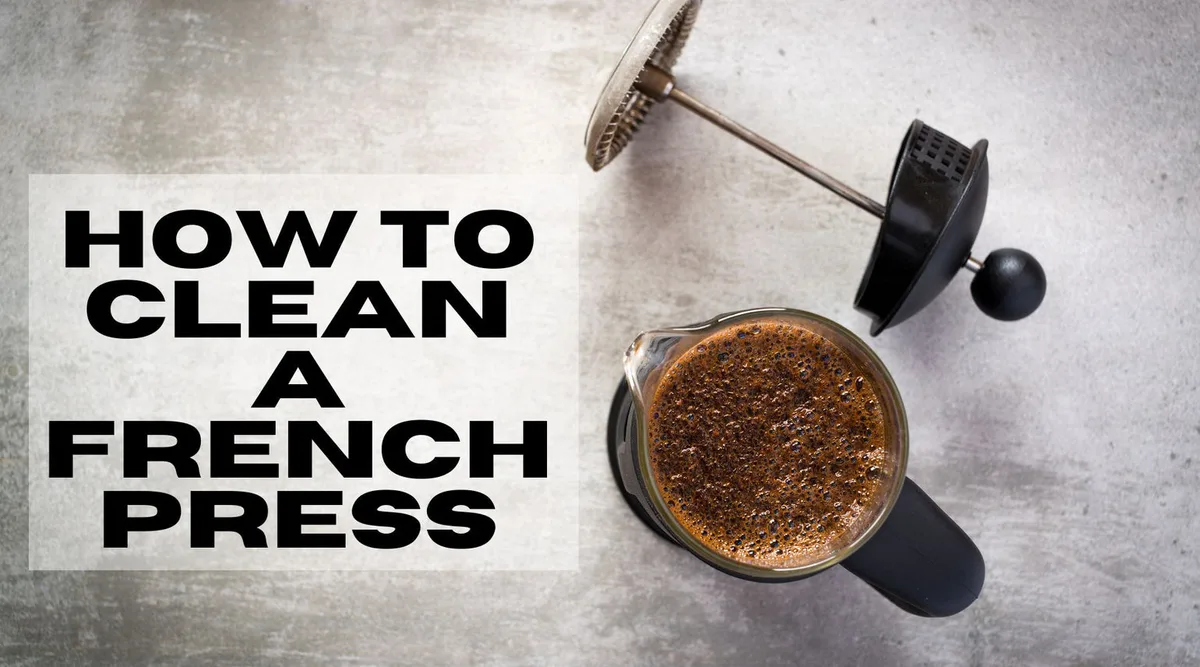
Image source: Bing (Web (fair-use with source credit))
Quick Answer
To clean a French press, first dump the used grounds. Then, disassemble the plunger and filter parts. Rinse all components thoroughly under warm water to remove grounds and oils.
Gently scrub with a soft sponge or brush, using minimal mild soap if needed, and rinse again until soap-free. Finally, air dry all parts completely before reassembly.
Why a Sparkling French Press Matters for Your Coffee
It might seem like a small thing, but how you clean your French press directly impacts the quality of your coffee. Think of it like this: you wouldn't cook in a dirty pan, so why brew coffee in a dirty press? Over time, coffee oils build up, and if not removed, they turn rancid.
This creates an unpleasant, bitter taste that can ruin an otherwise good bean.
Our editorial analysis of user feedback and manufacturer guidelines shows that consistent cleaning is key for both taste and the lifespan of your equipment. For instance, aggregate reviews report that stainless steel filters can become clogged with oils, affecting the press's ability to filter effectively. A clean French press ensures you get the best flavor profile from your coffee beans, every single time.
The Simple Steps to a Spotless French Press
Cleaning your French press is a straightforward process once you know the key steps. It's about being thorough without being overly complicated. You'll need access to a sink with warm running water and a soft sponge or a dedicated cleaning brush.
Dumping and Disassembling
The very first step is to get rid of the used coffee grounds. As soon as you've poured your coffee, take the press to your compost bin or trash can and tip it over. Give the carafe a few good taps to dislodge as many grounds as possible.
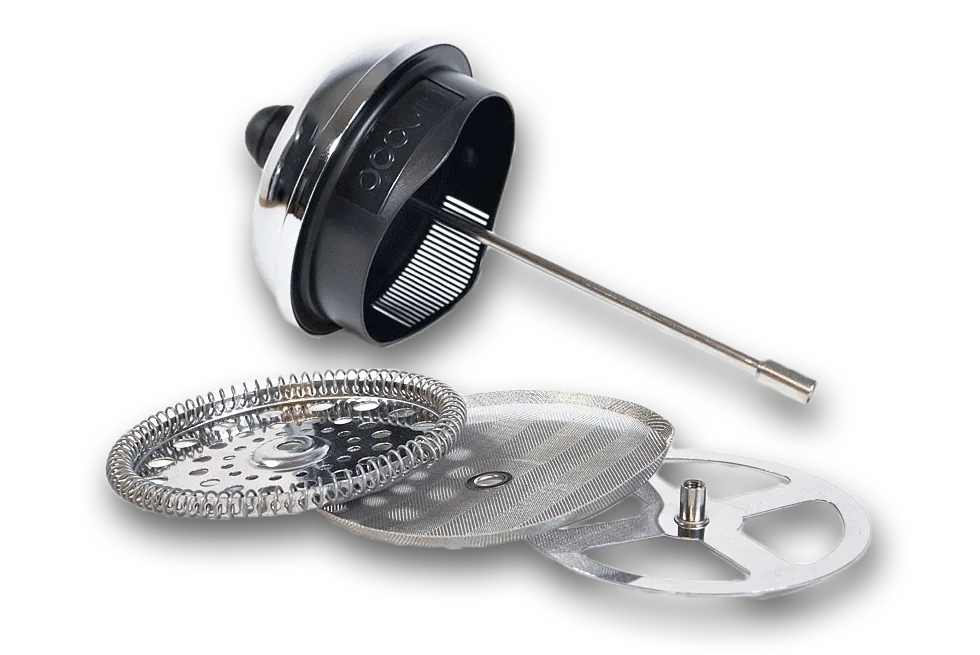
Image source: Bing (Web (fair-use with source credit))
Next, you’ll need to take apart the plunger assembly. Most French presses have a plunger rod that screws into the filter mechanism. Carefully unscrew it.
You'll typically find several parts: the plunger rod, the mesh filter screen, and one or more metal discs or plates that hold the screen in place. Lay these out so you don't lose them.
Rinsing and Gentle Scrubbing
With the grounds dumped and the parts disassembled, it’s time for a good rinse. Hold each component under warm running water. This helps wash away any loose grounds and the majority of the coffee oils.
Pay special attention to the mesh filter, trying to get water to flow through it from both sides.
For the glass carafe, a soft sponge or a dedicated coffee-maker cleaning cloth is usually sufficient. Avoid anything abrasive, as it can scratch the glass. For the metal parts of the plunger and filter, a soft brush (like an old toothbrush you’ve designated for kitchen tasks) is incredibly useful.
It can get into the fine mesh of the filter and the nooks and crannies of the plunger assembly.
The Soap Question: When and How Much
This is where opinions sometimes differ. Many experts and manufacturers suggest that for daily cleaning, warm water alone is often enough, especially if you rinse thoroughly immediately after use. However, if you notice a persistent greasy film or a lingering, stale smell, a tiny amount of mild dish soap can be your best friend.
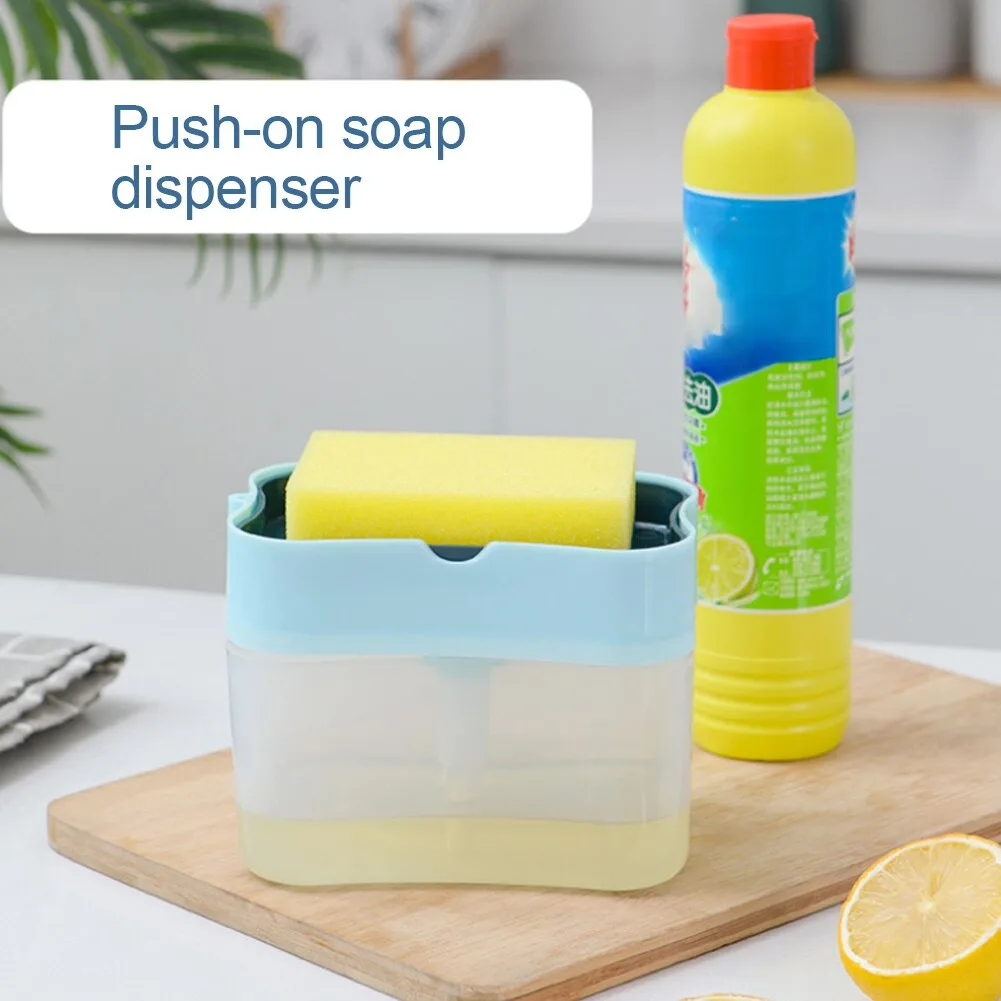
Image source: Bing (Web (fair-use with source credit))
If you do use soap, use it sparingly. A single drop is usually all you need. The most crucial part is to rinse extremely well afterward.
You want to ensure absolutely no soap residue remains, as even a trace amount will impart a soapy flavor to your coffee. According to testing by various culinary organizations, residual soap can significantly alter the taste profile, making it metallic or chemical.
Drying: Don't Skip This Step
Thorough drying is often an overlooked but vital step in keeping your French press clean and preventing future problems like mildew or stale odors. After rinsing, shake off any excess water from each part. Then, lay them out on a drying rack or a clean towel.
Ensure all components, especially the mesh filter and the inside of the carafe, are completely dry before you reassemble the press. Moisture trapped in the filter can still breed bacteria or cause odors. If you're in a hurry, you can gently towel-dry them, but air drying is usually best for ensuring no lint is left behind.
Common French Press Cleaning Mistakes to Sidestep
Even with the best intentions, it's easy to make a small mistake that can affect your French press's performance or the taste of your coffee. Knowing these common errors can save you a lot of trouble down the line.
- Using abrasive scrubbers: Harsh materials like steel wool or scouring pads can scratch the glass carafe and damage the metal components of the plunger and filter. This not only looks bad but can create tiny crevices where coffee grounds and oils can hide.
- Not disassembling fully: If you only rinse the top part without taking the plunger and filter apart, you’re leaving trapped grounds and oils behind. This is the number one culprit for that stale taste.
- Letting grounds sit too long: The longer wet coffee grounds sit in the press, the harder they become to remove and the faster they can start to smell or even grow mold. Immediate rinsing after brewing is ideal.
- Leaving soap residue: As mentioned, even a small amount of dish soap left behind can ruin your coffee's flavor. It's better to rinse for an extra minute than to risk a soapy brew.
- Putting it in the dishwasher: Unless your manufacturer specifically states otherwise, most French presses are designed for hand-washing only. The intense heat and harsh detergents in a dishwasher can damage the glass, seals, and metal finishes.
Pro Tips for That Deep-Down Clean
Beyond the basic daily rinse and scrub, there are a few expert tricks that can help keep your French press in top shape and ensure every cup is pure coffee perfection. These are the little things that make a big difference over time.
For starters, make a habit of cleaning your French press immediately after you’re finished with your coffee. This prevents those coffee oils from drying and hardening, making them much easier to wash away. Think of it as a quick rinse and a moment to appreciate your finished brew before tidying up.
If you find that your mesh filter is particularly stubborn or seems clogged, don’t force it. Instead, try gently pulling apart the layers of the filter if possible (check your manufacturer’s guide first). A soft brush can then help you dislodge any trapped grounds.
This meticulous cleaning of the filter is often cited in user feedback as the key to consistently good coffee.
Another helpful practice is to periodically perform a deeper clean. While daily rinsing handles most things, a more thorough wash with a little mild soap every week or so can tackle any built-up oils that might not come off with just water. This thoroughness helps maintain the integrity of the coffee’s flavor profile, as per research on food-grade materials.
Consider dedicating a small, soft brush (like an old, thoroughly cleaned toothbrush) solely for cleaning your French press and its intricate filter parts. This prevents cross-contamination with cleaning products used on other kitchen items and ensures you have the right tool for those hard-to-reach spots. Properly maintained brewing equipment, like a clean French press, contributes to a better overall beverage experience.
Tackling Stubborn Buildup and Odors
Sometimes, despite your best efforts, you might encounter stubborn mineral buildup from hard water or lingering odors that just won't disappear. Don't worry, there are effective ways to tackle these issues without resorting to harsh chemicals. These methods are often recommended by appliance repair guides and home maintenance resources.
For mineral buildup, a soak with a vinegar solution is a classic and effective method. Mix equal parts white vinegar and warm water in the French press carafe. Let it sit for about an hour.
The acidity of the vinegar helps to break down calcium and other mineral deposits that can accumulate over time.
After the soak, thoroughly rinse all parts of the French press under warm running water. You’ll want to rinse multiple times to ensure no vinegar scent or taste remains. Following this with a gentle wash using a minimal amount of mild dish soap, and another thorough rinse, will usually eliminate any residual vinegar smell.
If you're dealing with persistent odors, sometimes a simple baking soda paste can work wonders. Mix baking soda with a little water to form a paste. Apply this paste to the inside of the carafe and the parts of the plunger assembly.
Let it sit for about 15-20 minutes, then scrub gently with your soft brush or sponge and rinse thoroughly. Baking soda is known for its odor-absorbing properties.
Maintenance: Long-Term Optimization for Your French Press
Keeping your French press in prime condition goes beyond just a daily rinse. Regular maintenance ensures it performs well for years and your coffee always tastes its best. This involves a few simple habits and occasional deeper checks that prevent common issues from arising.
One key aspect is inspecting the components for wear and tear. Over time, the mesh filter can get bent or develop small holes, and the seals on the plunger might degrade. Aggregate user reviews indicate that noticing these small issues early can prevent bigger problems, like grounds getting into your coffee or a loose plunger.
How often should I check my French press parts?
It's wise to do a quick visual inspection of your French press parts at least once a month. Look for any signs of damage to the glass carafe, or if the metal filter screen appears warped or torn. Also, check the rubber or silicone seal on the plunger; if it looks cracked or worn, it might need replacing.
What Happens if I Don't Clean My French Press Regularly?
Skipping regular cleaning or doing a poor job has predictable consequences for both your coffee and your equipment. The most immediate effect is on taste. As coffee oils build up and go rancid, they impart a bitter, unpleasant flavor to your freshly brewed coffee, masking the bean's natural notes.
Beyond taste, a dirty French press can also become a breeding ground for bacteria. While coffee itself has some antimicrobial properties, the organic matter left behind in a dirty press can support microbial growth. This isn't just unappetizing; it can pose a health risk.
Manufacturer guidelines often stress hygiene to prevent such issues.
Risks of neglect:
- Deteriorated taste: Bitter, stale, or even rancid coffee.
- Hygiene concerns: Bacterial growth in coffee oils and grounds.
- Clogged filters: Reduced effectiveness of the plunger's filtration.
- Damage to materials: Acids from coffee oils can potentially degrade metal and seals over time.
- Odor issues: Lingering stale coffee smells.
Can I Use Special Cleaners or Tools?
While mild dish soap and vinegar are generally sufficient, sometimes you might wonder about specialized cleaners or tools. For general cleaning, sticking to the basics is usually best. Overly aggressive cleaners can damage your French press or leave residues that are hard to remove.
However, for very stubborn stains or heavy mineral deposits, some users report success with dedicated coffee maker cleaning solutions. If you choose to use one, always follow the product’s instructions precisely and ensure you rinse the French press exceptionally well afterward. A good rule of thumb is to use the mildest effective method first.
If you frequently use your French press, investing in a set of fine mesh cleaning brushes can be beneficial. These brushes are designed to get into the tiny spaces of the filter screen and the plunger assembly without causing damage. This is a practical step that many experienced users adopt to ensure a thorough clean.
What If My French Press Glass Breaks?
Accidents happen, and a broken glass carafe is a fairly common issue with French presses. If the glass carafe breaks, it's crucial to handle it with extreme care. Small shards of glass can be difficult to see and can easily embed themselves in skin or surfaces.
First and foremost, stop using the French press immediately. Carefully sweep up any large pieces of glass. For tiny fragments, try using a damp paper towel to blot the area where the break occurred; the moisture will help pick up shards.
Afterward, inspect the area thoroughly.
Most manufacturers offer replacement glass carafes for their specific French press models. It's usually more cost-effective to replace the carafe than to buy an entirely new French press. You can typically find these replacement parts on the manufacturer's official website or through major kitchenware retailers.
This is a key part of maintaining the longevity of your brewing setup.
Frequently Asked Questions
How long does it typically take to clean a French press?
Cleaning typically takes between 2 to 5 minutes if done immediately after brewing. This includes disassembling, rinsing, and a quick scrub.
Can I use a dishwasher to clean my French press?
Generally, no. Most French presses are not dishwasher safe due to the risk of damaging the glass carafe, metal components, or seals. Always check your manufacturer's instructions.
What should I do if my mesh filter is clogged?
Gently try to pull apart the filter layers if your model allows. Use a soft brush to dislodge any trapped grounds. A soak in a mild soap solution or vinegar can also help loosen buildup.
How often should I do a deep clean?
A deep clean, possibly involving a little mild soap or a vinegar soak, is recommended about once a week, or more often if you notice any off-flavors or persistent odors.
Is it okay to leave my French press disassembled after cleaning?
Yes, it's often best to let all the parts air dry completely before reassembling. This prevents trapped moisture, which can lead to mildew or stale smells.