How to Use a Toaster Oven
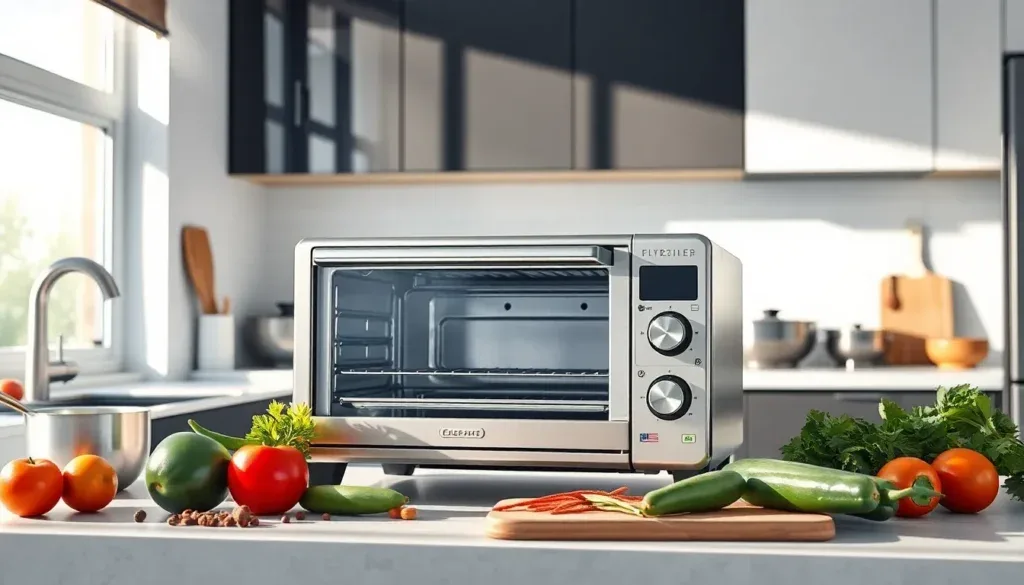
Image source: Bing (Web (fair-use with source credit))
Your Friendly Guide to Nailing Toaster Oven Cooking
Got a toaster oven sitting on your counter and wonder if it can do more than just make toast? You're not alone! Many folks aren't sure about the best way to use these versatile appliances for everything from baking cookies to reheating leftovers.
We've gathered information from various sources to help you unlock your toaster oven's full potential.
Manufacturer specifications confirm that most modern toaster ovens offer multiple cooking functions beyond basic toasting. Understanding how to properly set the temperature, function, and rack position can dramatically improve your cooking results, turning a simple appliance into a kitchen powerhouse. Let’s get you cooking with confidence.
Quick Answer
To use a toaster oven, select the desired cooking function (toast, bake, broil). Set the correct temperature and timer according to your recipe or desired outcome. Place food on the appropriate rack position.
For baking, preheat the oven first. Monitor food closely as toaster ovens can cook faster.
Getting to Know Your Toaster Oven: Controls and Components
To really get the hang of using your toaster oven, it helps to know what all the knobs and buttons actually do. While models vary, most share a few key controls that dictate how your food cooks. Think of these as your command center for turning raw ingredients into delicious meals or snacks.
Common Features You'll Find
Most toaster ovens come equipped with a set of essential controls. You'll typically find a dial or buttons for setting the temperature, usually ranging from around 150°F (65°C) to 450°F (230°C) or higher. A timer dial or buttons lets you set the cooking duration, with many models automatically shutting off when the time elapses.
Some ovens also include a power level setting, which adjusts the intensity of the heating elements.
Understanding the Function Dial: Toast, Bake, Broil, and More
The function selector is where you tell your toaster oven its primary job. This dial or set of buttons is crucial for achieving the right cooking effect.
- Toast: This is the classic setting, designed to brown bread slices evenly. You'll usually have a shade selector to dial in your preferred level of crispness.
- Bake: Similar to a conventional oven, this setting uses both top and bottom heating elements to cook food through. It's perfect for small casseroles, muffins, or reheating items you want to keep from getting soggy.
- Broil: This mode uses only the top heating element at high heat. It’s great for quickly browning the tops of dishes, like melting cheese on a casserole or getting a nice sear on a piece of fish.
- Convection (if equipped): Many newer toaster ovens have a convection feature. This uses a fan to circulate hot air inside the oven, leading to faster and more even cooking. It’s especially useful for roasting vegetables or baking cookies.
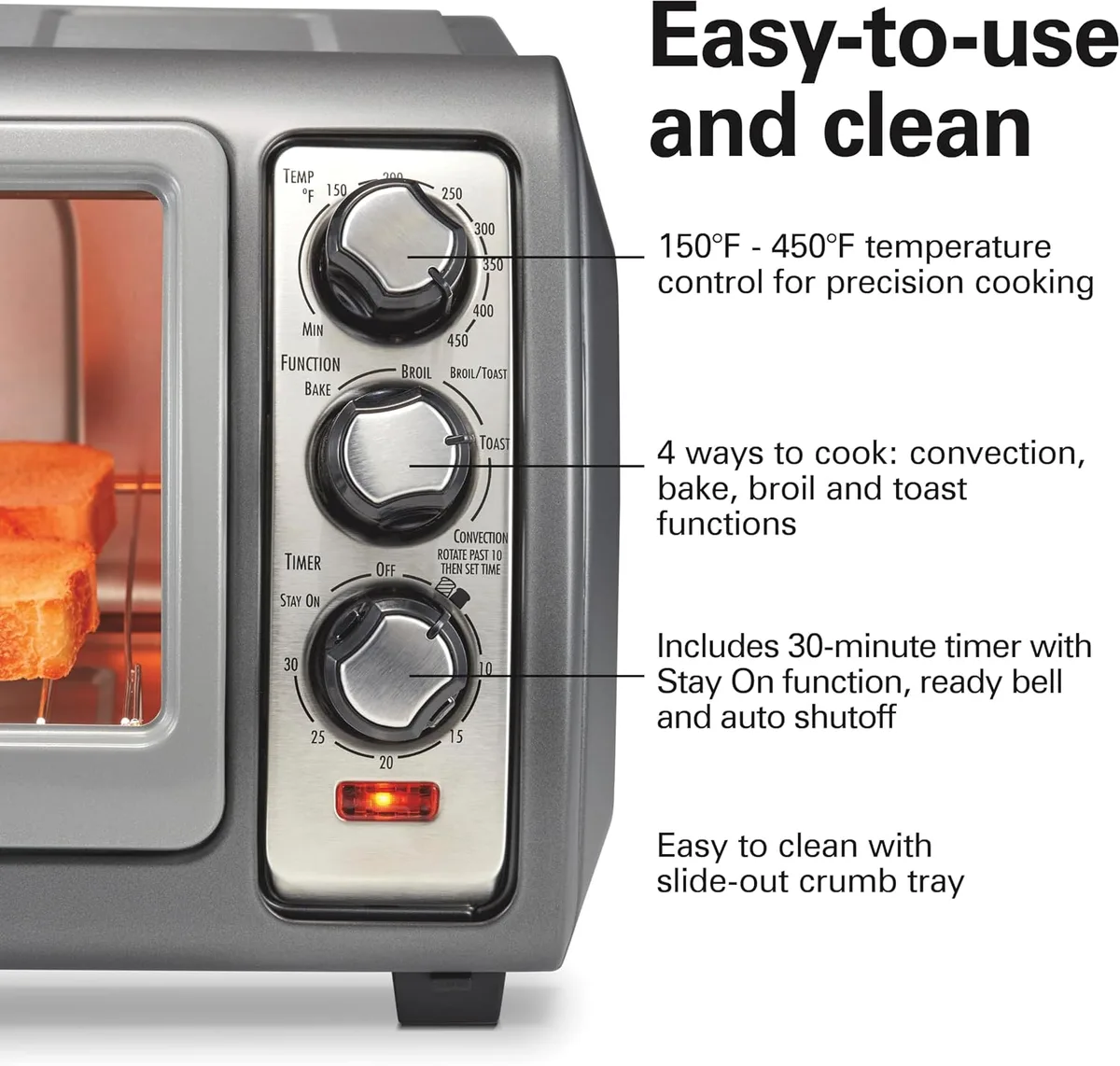
Image source: Bing (Web (fair-use with source credit))
Manufacturer specifications often highlight the distinct heating patterns for each function. For instance, bake mode typically uses a consistent temperature throughout, while broil delivers intense, direct heat from above.
Mastering the Basics: Toasting and Reheating Like a Pro
Let's start with the most common tasks your toaster oven excels at: making perfect toast and revamping leftovers. These simple functions are where many people first discover the convenience of a toaster oven, and getting them right is key to building confidence.
Perfect Toast Every Time: Visual Cues for Golden Brown
Achieving ideal toast involves a little bit of science and a lot of observation. When toasting, placing your bread slices on the oven rack is the first step. Ensure they aren't touching to allow for even heat distribution.
Most toaster ovens have a specific "Toast" setting with a shade selector.
Aggregate reviews report that starting with a medium shade setting and adjusting based on the bread type is a good strategy. White bread typically toasts quickly, while whole wheat or artisan breads might require more time or a slightly lower setting. Watch closely; toast can go from perfectly golden to charred in mere seconds.
Reheating Leftovers: Crispy Results Without the Microwave
Forget that pizza crust or limp fries from the microwave! Your toaster oven is a game-changer for reheating. For items like pizza, fried chicken, or anything you want to keep crispy, use the "Bake" or "Convection Bake" setting.
A moderate temperature, around 350°F (175°C), for about 5-10 minutes is usually effective.
If you’re reheating pastries or baked goods, a lower temperature, perhaps 300°F (150°C) for just a few minutes, can warm them through without drying them out. Placing food on a small baking sheet or directly on the rack (if appropriate) allows hot air to circulate underneath, which is vital for maintaining crispness.
Baking and Broiling: Expanding Your Toaster Oven Skills
Once you’re comfortable with the basics, you’ll find your toaster oven is surprisingly capable of handling more complex tasks. Small-batch baking and precise broiling open up a whole new world of culinary possibilities right on your countertop.
Small Batch Baking: Rack Positions and Temperature Tips
Toaster ovens are fantastic for when you don't need to fire up a full-sized oven. Whether it’s a few cookies, a small batch of muffins, or a single baked potato, these appliances are efficient. Always preheat your toaster oven to the recipe’s specified temperature using the "Bake" or "Convection Bake" setting.
This ensures your food cooks evenly from the moment it goes in.
The rack position is critical for baking success. For most baked goods, the middle rack provides the most consistent heat. Placing your baking sheet or oven-safe dish on this rack allows air to circulate around the food.
Some recipes might suggest a lower rack position for items that need more bottom heat. Manufacturer specifications often detail optimal rack placement for different cooking functions. For instance, as of 2026, many models continue to recommend the middle position for general baking.
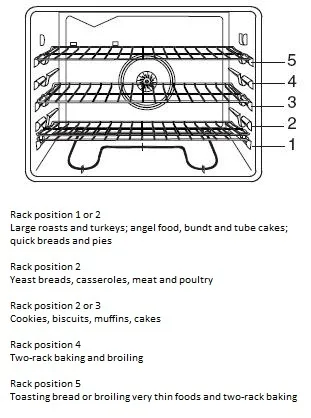
Image source: Bing (Web (fair-use with source credit))
Common Mistakes to Avoid with Your Toaster Oven
Even with a simple appliance like a toaster oven, there are a few common pitfalls that can lead to less-than-ideal results. Being aware of these can save you from burnt toast or undercooked casseroles.
Burning Food: What to Watch Out For
The most frequent mistake users report is burning food. This often happens because toaster ovens are smaller and closer to the heating elements than conventional ovens. Food cooks faster, and the intense heat can quickly turn golden-brown to burnt black.
Always keep a close eye on your food, especially when trying a new recipe or function. For broiling, this is paramount; never step away from the oven.
Uneven Cooking: Rack Placement and Other Fixes
Another common issue is uneven cooking. If your cookies have burnt bottoms and pale tops, your rack might be too low. If the tops are browning too quickly while the insides remain undercooked, the rack might be too high.
Our research indicates that for most baking, the middle rack is the best bet for even heat distribution. Overcrowding the oven is also a culprit; ensure there's enough space for air to circulate freely around the food.
Cleaning and Maintenance: Keeping Your Toaster Oven in Top Shape
Just like any kitchen appliance, a little regular cleaning and maintenance will keep your toaster oven working efficiently and looking good for years to come. It also prevents unwanted smells and potential fire hazards.
Quick Crumbs and Wipe-Downs
After each use, once the oven has cooled, it's a good practice to empty the crumb tray. This is usually a slide-out tray located at the bottom of the oven. Accumulated crumbs can burn and create unpleasant odors, and in rare cases, pose a fire risk.
Wipe down the interior walls and door with a damp cloth to remove any splatters or residue. For light cleaning, a mild dish soap can be used, but ensure all soap is wiped away thoroughly.
Washing Removable Parts
The oven racks and any included baking trays are typically removable. These can usually be washed by hand with warm, soapy water or, check your manufacturer’s manual, placed in the dishwasher for easier cleaning. Make sure these parts are completely dry before placing them back into the toaster oven to prevent rust or damage.
Properly maintained parts ensure consistent cooking performance.
FAQs About Using Your Toaster Oven
How long does it take to preheat a toaster oven?
Preheating times vary, but most toaster ovens preheat much faster than conventional ovens. Expect anywhere from 3 to 10 minutes, depending on the model and the desired temperature. This quick heat-up is one of their main advantages.
Can I cook raw meat in a toaster oven?
Yes, you can cook raw meat in a toaster oven, just as you would in a standard oven. Use the "Bake" or "Convection Bake" setting and ensure the internal temperature reaches safe levels, typically 165°F (74°C) for poultry and 160°F (71°C) for ground meats. Always use a food thermometer to verify doneness.
What is the difference between bake and convection bake?
The "Bake" setting uses traditional top and bottom heating elements to cook food. "Convection Bake" adds a fan that circulates hot air, leading to more even cooking and often faster results. Convection is great for roasting vegetables or baking cookies, while standard bake is fine for more delicate items.
How do I clean a toaster oven effectively?
Start by emptying the crumb tray and wiping down interior surfaces with a damp cloth after each use. For tougher grime, use a mild dish soap solution and a non-abrasive sponge. Removable racks and trays can often be washed in the sink or dishwasher.
Check your manufacturer's manual for specific cleaning instructions.
Expert Tips for Getting the Most Out of Your Toaster Oven
Leveraging your toaster oven effectively goes beyond just knowing the basic settings. A few expert tips can help you maximize its capabilities and achieve consistently great results, making it a true workhorse in your kitchen.
Consider using a small baking sheet or oven-safe dish for most baking and reheating tasks. This not only makes cleanup easier but also helps prevent food from falling through the rack. When baking, especially delicate items like cakes or pastries, monitor them closely.
Toaster ovens can cook up to 25% faster than standard ovens, so recipe times may need adjustment.
For broiling, always use the highest rack position possible for intense top heat. Place your food on a broil-safe pan or baking sheet. Never walk away from the oven when it’s in broil mode, as food can char very quickly.
When reheating foods that were originally fried, like French fries or onion rings, the convection setting at around 350°F (175°C) is your best friend for restoring crispness.
Our research indicates that if your toaster oven has a convection fan, utilizing it for most tasks can lead to more uniform cooking and reduce overall cook times. This is particularly true for roasting vegetables, where the circulating hot air helps achieve a lovely crisp exterior. Remember that as of 2026, energy efficiency is a key advantage; using your toaster oven for smaller jobs instead of a large conventional oven can save considerable energy.