How To Use A Hitch Lock: Easy Security Guide
A hitch lock secures your trailer or accessory to the tow vehicle and helps prevent theft.
If you want to protect your trailer, bike rack, cargo carrier, or other hitch-mounted gear, learning how to use a hitch lock is one of the smartest small upgrades you can make. I’ve seen people lose sleep over loose equipment on the road, but the right lock gives you peace of mind in parking lots, campsites, and driveways alike. Let’s walk through how to use a hitch lock the right way, what to check before you buy one, and how to avoid the small mistakes that can make a good lock useless.

What a hitch lock is and why it matters
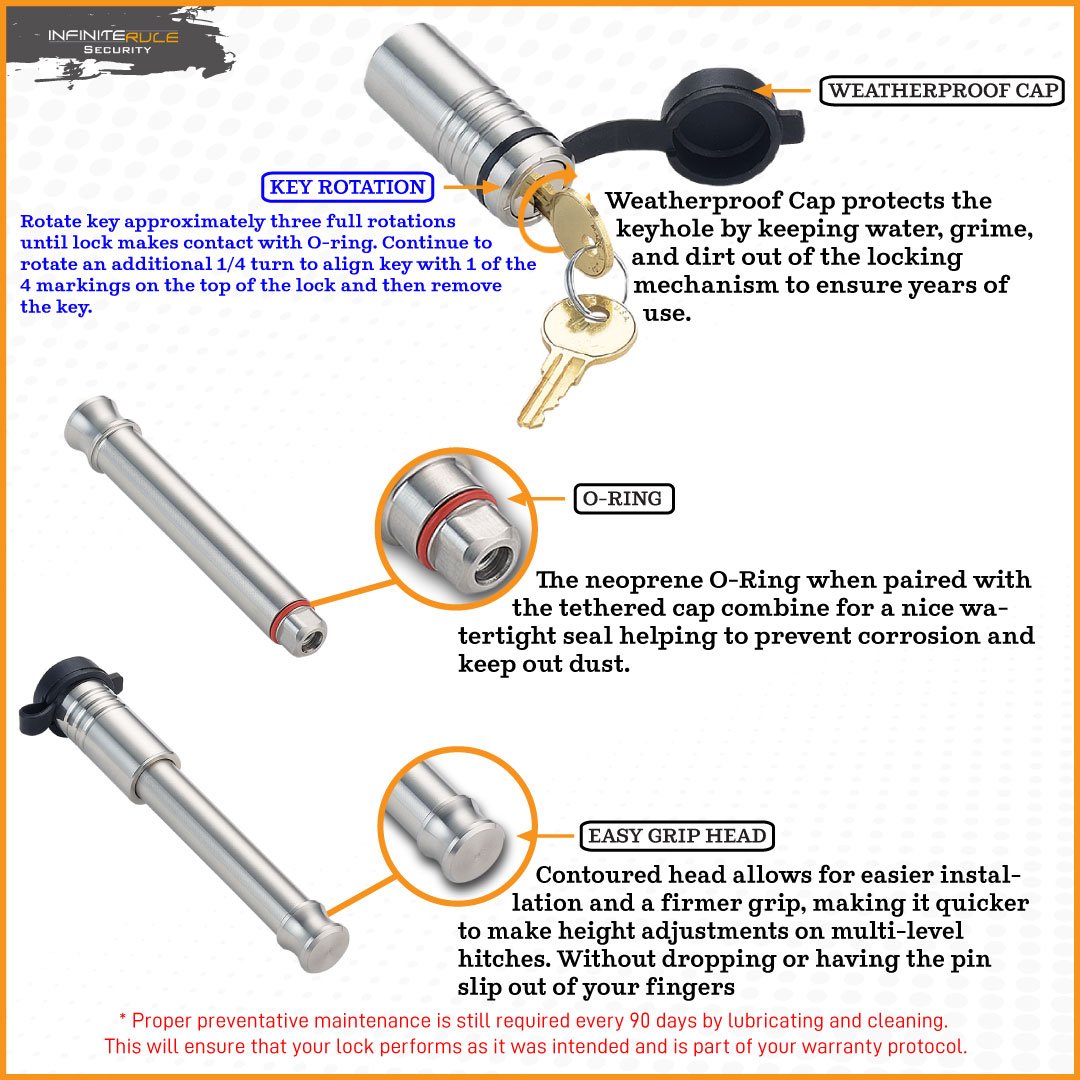
A hitch lock is a locking device that helps secure a hitch pin, trailer coupler, or hitch-mounted accessory to keep it from being removed without a key or code. In simple terms, it replaces a basic pin with a lockable version so your gear is harder to steal.
If you use a trailer, a bike rack, a cargo rack, or a hitch step, a hitch lock adds a layer of security. It will not make theft impossible, but it does make the job slower, louder, and riskier for a thief. That extra effort often sends them looking for an easier target.
The best part is how simple it is. Once you know how to use a hitch lock, it becomes a quick part of your routine, almost like buckling a seat belt before you drive.

Types of hitch locks you may use
Not all hitch locks work the same way. The right one depends on what you are trying to secure.
Common types include:
- Hitch pin locks: These replace the standard hitch pin and secure the receiver-mounted accessory.
- Coupler locks: These fit over the trailer coupler when the trailer is parked and not connected.
- Adjustable locks: These work with different receiver sizes or accessory setups.
- Keyed locks: These use a physical key for opening and closing.
- Combination locks: These use a code instead of a key, which can be handy if you dislike carrying keys.
I’ve found that many people buy the wrong style because they focus only on price. A lock that does not match your hitch size or coupler shape can be more trouble than it is worth. Always match the lock to your exact setup before you buy.
How to use a hitch lock step by step
Using a hitch lock is usually simple, but doing it correctly matters. A loose fit, wrong size, or rusty pin can make the whole system weaker than it looks.
Follow these steps:
-
Check your hitch size
Measure your receiver size first. Common sizes are 1.25 inch, 2 inch, and 2.5 inch. -
Align the accessory or trailer part
Slide the bike rack, cargo carrier, ball mount, or trailer tongue into the hitch receiver. Make sure the holes line up cleanly. -
Insert the hitch lock pin
Push the lock through the aligned holes. It should fit smoothly, not forcefully. -
Secure the locking head
Close the lock mechanism until it clicks or fully seats. If it is a keyed model, turn the key and remove it. -
Test the fit
Tug gently on the attached item to make sure it does not wobble more than normal. -
Keep the key or code safe
Store the key in a known place. If it is a combination lock, write the code somewhere secure.
A mistake I have seen more than once is leaving the lock partly closed. It looks fine at a glance, but under road vibration, that can become a real problem. Always give it a quick hands-on check before driving away.
How to use a hitch lock for a trailer coupler
If you are securing a trailer while it is parked, the process is a little different. A coupler lock is designed to stop someone from hooking your trailer to another vehicle and towing it away.
Here is the usual method:
- Park the trailer on level ground.
- Make sure the trailer is disconnected from the tow vehicle.
- Place the coupler lock over or through the coupler opening, depending on the design.
- Lock it in place with the key or combination.
- Pull on it lightly to confirm it is seated firmly.
If your trailer sits outside often, a coupler lock is worth its weight in gold. It is one of those tools that feels boring until the day it saves you a major headache.
How to use a hitch lock on a bike rack or cargo carrier
Bike racks and cargo carriers are popular theft targets because they are easy to remove. A hitch lock makes them much less convenient to steal.
For these accessories:
- Slide the rack or carrier into the hitch receiver.
- Line up the pin holes.
- Insert the hitch lock.
- Lock it fully and remove the key.
- Check for movement, then tighten any anti-wobble device if your rack has one.
Many hitch-mounted accessories also come with their own anti-rattle or stabilizer hardware. That matters because a hitch lock prevents removal, while a stabilizer reduces movement. Together, they make the setup safer and quieter.
What to check before installing a hitch lock
Before you install a hitch lock, take a few seconds to inspect your equipment. That tiny habit can save you from a lot of frustration later.
Look for these things:
- Rust or dirt in the hitch holes
- Bent or worn receiver holes
- Incorrect hitch size
- Damaged key cylinder or frozen lock parts
- Weak latching on a coupler lock
- Loose accessory fit
I learned the hard way that grit and road salt can clog a lock faster than people expect. A quick wipe with a rag and a little lock-safe lubricant can make a big difference, especially if you live in a wet or snowy area.
How to maintain a hitch lock
A hitch lock works best when it is clean and dry. Like any outdoor hardware, it needs a little care.
Simple maintenance tips:
- Clean off dirt after rain, mud, or winter driving.
- Use a graphite or lock-safe lubricant if the manufacturer allows it.
- Dry the lock before storing it.
- Check for corrosion regularly.
- Replace worn keys before they break.
- Keep the spare key somewhere secure.
The National Highway Traffic Safety Administration and other road safety groups consistently stress the importance of checking towing equipment before use. That includes the hardware that keeps things attached. A well-maintained hitch lock is not just about theft prevention; it is part of good towing habits.
Common mistakes to avoid
A hitch lock is only helpful when used correctly. Small errors can reduce its value fast.
Watch out for these mistakes:
- Buying the wrong size for your hitch receiver
- Forgetting to fully lock the mechanism
- Using a rusty or damaged lock
- Leaving the spare key in the glove box
- Assuming all hitch locks offer the same protection
- Skipping regular checks before long trips
One common myth is that a heavy-looking lock must be secure. In reality, fit and build quality matter more than bulk. A smaller, well-made lock often beats a clumsy one that does not seat properly.
Benefits and limitations of a hitch lock
A hitch lock offers several real benefits, but it is important to keep expectations realistic.
Benefits:
- Helps deter casual theft
- Adds protection for parked trailers and accessories
- Easy to install and remove
- Affordable compared with the cost of stolen gear
- Works as part of a larger security setup
Limitations:
- It does not stop a determined thief with tools
- Poor fit can reduce protection
- Cheap locks may corrode or jam
- Some models need regular care to stay functional
Think of a hitch lock like a strong door latch, not a vault. It creates a barrier, but smart security often comes from layers, not one tool alone.
Extra security tips for trailers and hitch-mounted gear
If you really want to protect your setup, combine the hitch lock with other habits.
Helpful add-ons include:
- Parking in well-lit areas
- Using wheel locks on trailers
- Removing the hitch ball mount when parked
- Keeping your setup in view when possible
- Recording serial numbers and photos of your equipment
- Using a cover to make gear less visible
From experience, visibility matters more than people think. Thieves often choose the easiest target, so even simple steps like a cover or a parking spot near foot traffic can help.
Frequently Asked Questions of How to use a hitch lock
How do I know which hitch lock size I need?
Check the size of your hitch receiver before buying. Most common sizes are 1.25 inch, 2 inch, and 2.5 inch, and the lock must match that size for a secure fit.
Can a hitch lock stop theft completely?
No lock can guarantee complete protection. A hitch lock mainly deters quick theft and makes removal harder, louder, and slower.
Should I use a hitch lock on a trailer and a bike rack?
Yes, if both are at risk of theft. A trailer coupler lock protects the trailer when parked, while a hitch pin lock helps secure a bike rack or cargo carrier on the receiver.
How often should I check my hitch lock?
Check it before every trip and after long drives or bad weather. Regular checks help you catch looseness, rust, or wear before they become problems.
What should I do if my hitch lock gets stuck?
Try cleaning the lock and applying a lock-safe lubricant first. If it still will not move, do not force it too hard, because that can break the key or damage the cylinder.
Conclusion
Knowing how to use a hitch lock is one of those practical skills that pays off quickly. It helps protect your trailer, rack, or cargo setup, and it only takes a minute to do it right. The real key is choosing the right lock, installing it correctly, and keeping it in good shape.
If you tow, travel, or carry gear often, make hitch lock checks part of your normal routine. Start with the right fit, stay consistent, and treat security like a habit, not an afterthought. If this guide helped, keep exploring more towing safety tips and share your own experience in the comments.