Simpson Vs Ryobi Pressure Washer: Best Buy Guide
Most homeowners will find Ryobi easier and cheaper, while Simpson is usually the stronger pick for heavy-duty cleaning.
If you’re comparing Simpson vs Ryobi Pressure Washer, you’re really choosing between two very different kinds of machines. I’ve spent years around gas and electric washers, and the gap becomes clear fast: Simpson tends to focus on raw power and job-site toughness, while Ryobi usually wins on ease, value, and everyday home use. In this guide, I’ll break down Simpson vs Ryobi Pressure Washer in plain English so you can pick the one that fits your cleaning work, budget, and comfort level.
Simpson vs Ryobi Pressure Washer: What Sets Them Apart
When people compare Simpson vs Ryobi Pressure Washer, the first thing to understand is that these brands target different users. Simpson is often built for tougher cleaning jobs, like concrete, siding buildup, decks, and frequent use. Ryobi usually aims at homeowners who want something simpler, lighter, and easier to store.
That difference matters more than the logo on the side. A pressure washer is like a tool chest: the best one is not the flashiest, but the one that matches the job in front of you. If you buy too much machine, you waste money and deal with extra weight. If you buy too little, you spend more time scrubbing than washing.
Brand Overview: Simpson and Ryobi
Simpson has a strong reputation in the pressure washing world, especially for gas-powered models. Many of its machines are designed for durability, high PSI, and regular use. In my experience, Simpson feels like the kind of brand people buy when they expect the machine to work hard, not just look good on the shelf.
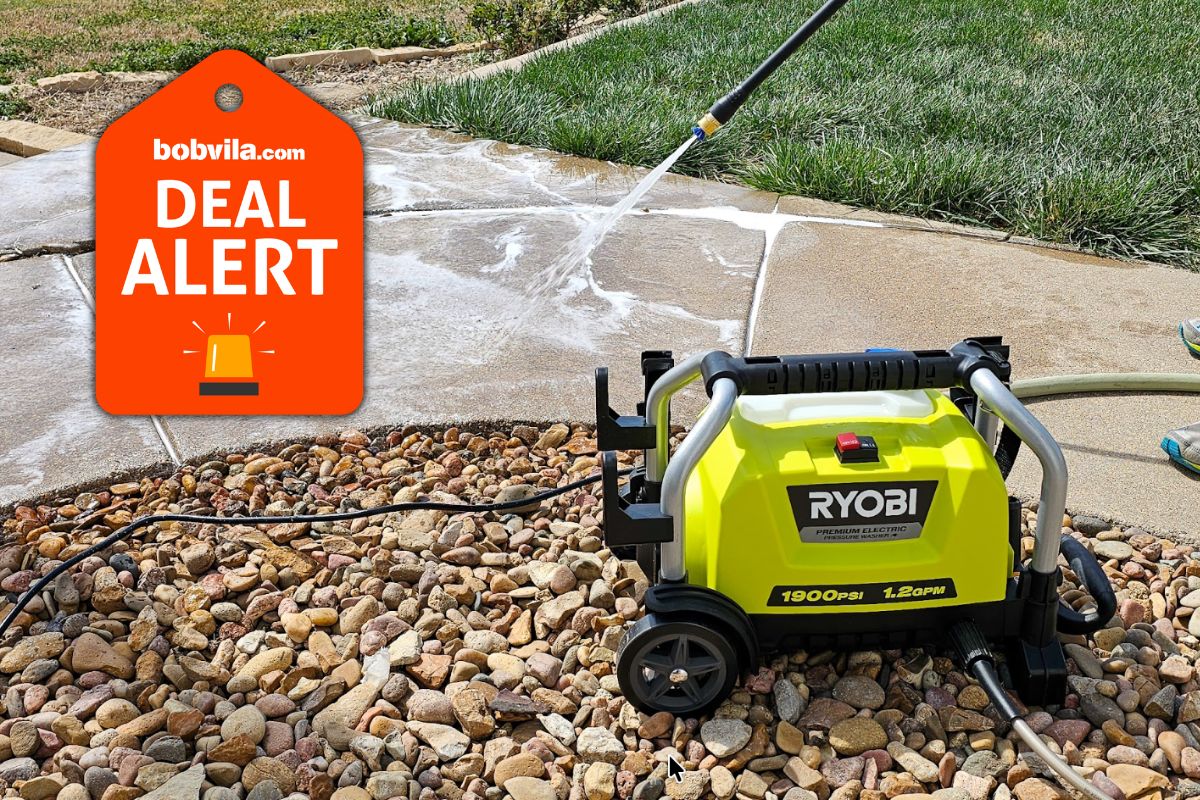
Ryobi is more of a homeowner-friendly brand. It is known for easy setup, good value, and a wide range of electric models. For many people, Ryobi is the first pressure washer they ever own, and that is not a bad thing at all. It makes outdoor cleaning less intimidating, especially if you only use it a few times a season.
Here’s the simple brand split:
• Simpson often fits contractors, property owners, and serious DIY users
• Ryobi often fits casual homeowners and weekend cleaners
• Simpson usually leans toward gas power and higher cleaning strength
• Ryobi usually leans toward electric convenience and lower noise

Simpson vs Ryobi Pressure Washer: Power and Performance
Power is where the comparison gets interesting. Simpson pressure washers often deliver higher PSI and stronger water flow, which helps with stubborn dirt, mildew, oil stains, and concrete grime. Ryobi models can still clean well, but they are usually better for lighter jobs like patio furniture, cars, fences, and vinyl siding.
In pressure washing, PSI tells you the pressure, while GPM tells you the water volume. Both matter. A machine with high PSI but weak GPM can feel punchy but slow. A balanced machine cleans faster and more evenly.
From hands-on use, Simpson tends to feel more aggressive on deep stains. I’ve seen it cut through years of driveway dirt that would have taken an electric unit much longer. Ryobi, on the other hand, is easier to control and less likely to damage delicate surfaces if you are new to pressure washing.
Best use cases by power level:
• Simpson for driveways, brick, heavy mildew, fences, and larger jobs
• Ryobi for cars, outdoor furniture, grills, windows, and light patio cleaning
• Simpson for frequent use and larger properties
• Ryobi for occasional use and smaller homes
Simpson vs Ryobi Pressure Washer: Electric vs Gas
One of the biggest differences in Simpson vs Ryobi Pressure Washer is power source. Most Ryobi units are electric, while Simpson offers many gas-powered options, though it also has electric models. That changes everything from noise to maintenance.
Electric pressure washers are easier to start, quieter, and simpler to maintain. You plug them in, connect the hose, and go. Gas models usually offer more power and mobility, but they need fuel, oil, and a bit more care.
I’ve made the mistake of recommending gas to people who only wash a car or two and a small patio. They usually end up saying the same thing: “This is more machine than I needed.” On the other hand, if you’re cleaning a long driveway or doing a full spring cleanup, gas can save a lot of time and frustration.
Electric advantages:
• Easier start-up
• Lower noise
• Less maintenance
• Better for light to medium household jobs
Gas advantages:
• Stronger cleaning power
• Better for bigger tasks
• No cord to manage
• Often more durable for frequent use
Simpson vs Ryobi Pressure Washer: Build Quality and Durability
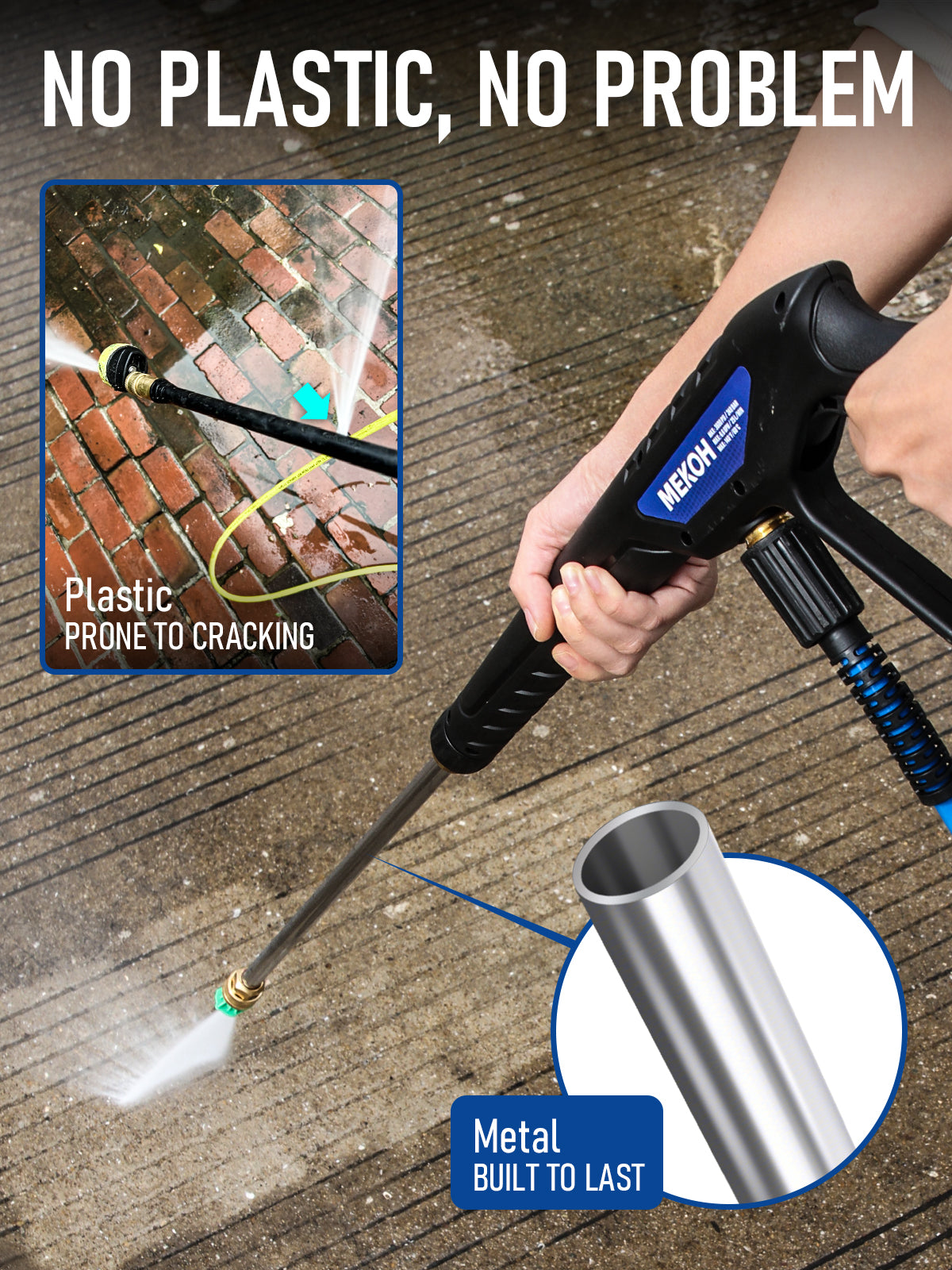
Durability is another place where Simpson often stands out. Many Simpson models are built with contractor-style use in mind, with heavy frames, solid engines, and beefier pumps. That does not mean every Simpson washer is indestructible, but the brand generally has a tougher feel.
Ryobi’s build quality is usually good for the price, especially for homeowner use. The units are often lighter and more compact, which makes them easier to move and store. The tradeoff is that they are not usually built for daily abuse or very long cleaning sessions.
A good rule of thumb:
• Choose Simpson if you want a machine that can handle frequent, rough use
• Choose Ryobi if you want a lighter unit for regular home care
• Choose Simpson if durability matters more than easy storage
• Choose Ryobi if portability matters more than raw strength
Simpson vs Ryobi Pressure Washer: Ease of Use
This is where Ryobi often shines. Many Ryobi pressure washers are simple to assemble and easy to learn. That matters a lot if you are a first-time buyer and do not want a complicated setup.
Simpson can be just as usable, but gas models need a bit more confidence. You may need to check oil, prime the engine, and understand a few more moving parts. None of that is hard, but it does add friction.
I’ve watched beginners feel nervous around gas washers, then relax after using one or two times. Still, if you want a “grab it, plug it in, and clean” experience, Ryobi usually wins here.
Ease-of-use comparison:
• Ryobi is better for first-time users
• Simpson gas models take more setup but reward you with more power
• Ryobi is simpler for short cleaning sessions
• Simpson is better when the job is big enough to justify the extra effort
Simpson vs Ryobi Pressure Washer: Maintenance and Upkeep
Maintenance is often overlooked during shopping, but it should not be. Simpson gas washers need oil changes, fuel care, and seasonal storage prep. You also have to think about pump maintenance and long-term engine care.
Ryobi electric models are much easier in this area. There is no gas to stabilize and no engine oil to check. In many cases, you just rinse the hose, store the unit properly, and keep the electrical parts dry.
This is one reason Ryobi can be a smart choice for people who do not enjoy tool maintenance. If the thought of engine care makes you sigh, electric may save you stress. If you do not mind a little upkeep, Simpson’s added power can be worth it.
Maintenance checklist:
• Simpson gas models need more seasonal care
• Ryobi electric models need less routine maintenance
• Always flush the system after use
• Store hoses and spray guns without kinks
• Keep pumps and nozzles clean

Simpson vs Ryobi Pressure Washer: Best Uses by Job Type
The right choice depends on what you clean most often. A pressure washer is not just about “strong” or “weak.” It is about matching the machine to the surface.
For heavy jobs, Simpson is usually the better fit. For lighter, faster, and more frequent household cleaning, Ryobi often makes more sense. I’ve seen homeowners overbuy power for a small townhouse patio and regret the extra bulk. I’ve also seen people underbuy and spend twice as long on a dirty driveway.
Common job matches:
• Driveways and sidewalks: Simpson
• Cars and motorcycles: Ryobi
• Fences and decks: Both, depending on dirt level
• Patio furniture: Ryobi
• Siding and exterior walls: Both, with proper nozzle use
• Deep mildew and stains: Simpson
Simpson vs Ryobi Pressure Washer: Price and Value
Price is one of the biggest reasons people search Simpson vs Ryobi Pressure Washer. Ryobi is usually the more affordable entry point, especially for electric models. Simpson often costs more, but you are paying for stronger output and tougher construction.
Value is not just about the sticker price. It is about whether the machine saves you time and lasts long enough to justify the cost. If you only wash a few times per year, Ryobi may offer the best value. If you clean often or tackle hard jobs, Simpson may save you more in the long run.
Think of it this way:
• Ryobi gives strong value for casual home use
• Simpson gives stronger long-term value for demanding work
• A lower price is good only if the machine still does the job
• The best deal is the washer you will actually use
Simpson vs Ryobi Pressure Washer: Noise, Storage, and Portability
Noise is a big quality-of-life issue. Ryobi electric models are much quieter, which makes them friendlier for neighborhoods, early morning cleaning, and simple weekend projects. Simpson gas units are louder, which is normal for that class of machine.
Portability also favors Ryobi in many cases. Electric units are often lighter and easier to roll around. Simpson gas units can be heavier, though some have sturdy frames and wheels that help with movement.
If you live in a tight space, storage matters too. Ryobi usually wins for apartments, small garages, and sheds with limited room. Simpson is better if you have space and want a machine with more punch.
Simpson vs Ryobi Pressure Washer: Safety and Surface Protection
Pressure washers can damage surfaces if used the wrong way. That is true for both Simpson and Ryobi. The main risk is not the brand itself, but using too much pressure, the wrong nozzle, or holding the wand too close.
Ryobi can feel safer for beginners because many units are less aggressive. Simpson can be safer in the sense that it gets the job done faster, but you must respect the power. I always tell people to start farther back, test on a small spot, and use a wider spray pattern before moving closer.
Safety tips:
• Wear eye protection
• Never point the wand at people or pets
• Test on a hidden area first
• Use the correct nozzle for the surface
• Keep electrical cords and wet surfaces managed carefully
Which One Should You Buy?
The best choice in Simpson vs Ryobi Pressure Washer comes down to your needs, not brand loyalty. If you want power, durability, and better performance on tough jobs, Simpson is usually the stronger pick. If you want convenience, lower noise, and a simpler cleaning experience, Ryobi is often the smarter choice.
My honest advice is to buy for the jobs you actually do, not the jobs you imagine doing someday. That is where many buyers go wrong. They buy a machine that sounds impressive but does not fit their real-life routine.
Choose Simpson if:
• You clean large areas often
• You need more power for tough stains
• You are comfortable with gas maintenance
• You want a heavier-duty machine
Choose Ryobi if:
• You are a first-time buyer
• You want easy setup and simple storage
• You mostly clean cars, furniture, or light outdoor surfaces
• You prefer electric convenience
Frequently Asked Questions of Simpson vs Ryobi Pressure Washer
Is Simpson better than Ryobi for heavy-duty cleaning?
Yes, in most cases Simpson is better for heavy-duty cleaning because it often offers stronger PSI and higher flow. That makes it a better match for driveways, concrete, and deep grime.
Are Ryobi pressure washers good for beginners?
Yes, Ryobi is one of the easier brands for beginners because many models are electric and simple to start. They are also lighter and less intimidating to use.
Which brand is more durable, Simpson or Ryobi?
Simpson usually has the edge in durability, especially in gas-powered models designed for frequent use. Ryobi is durable enough for household jobs, but it is generally built more for convenience than rugged work.
Can a Ryobi pressure washer clean a driveway?
Yes, a Ryobi can clean a driveway, but it may take longer than a stronger Simpson unit. For light dirt, it can work well, but for old stains or large concrete areas, Simpson is often faster.
Which pressure washer is easier to maintain?
Ryobi is easier to maintain because many of its units are electric and have fewer moving parts. Simpson gas models need more regular upkeep, including fuel, oil, and seasonal care.
Is Simpson worth the higher price?
Simpson can be worth the higher price if you need more power and plan to use it often. If your cleaning tasks are light and occasional, Ryobi may give you better overall value.
Conclusion
When you compare Simpson vs Ryobi Pressure Washer, the answer becomes clear once you think about your real cleaning needs. Simpson is the stronger, tougher option for demanding work, while Ryobi is the easier, lighter, and more budget-friendly choice for everyday home use.
If you want the best fit, start with your surfaces, how often you clean, and how much maintenance you want to handle. That simple filter will save you money and frustration. Take a moment to match the machine to your routine, then choose with confidence and enjoy the cleanup.