ARB Twin Compressor Vs Viair 400P: Best Buy Guide
ARB Twin Compressor is better for fast, reliable onboard air; VIAIR 400P is better for portable, occasional use.
If you’re comparing the ARB Twin Compressor vs VIAIR 400P, you’re probably trying to solve a real-world problem: tires that need air now, not later. I’ve spent enough time around off-road rigs, trail setups, and roadside fixes to know this choice comes down to how you drive, how often you air up, and whether you want a permanent system or a grab-and-go unit. The ARB Twin Compressor vs VIAIR 400P debate is not just about specs; it’s about fit, speed, convenience, and long-term value.

ARB Twin Compressor vs VIAIR 400P: What You Need to Know First
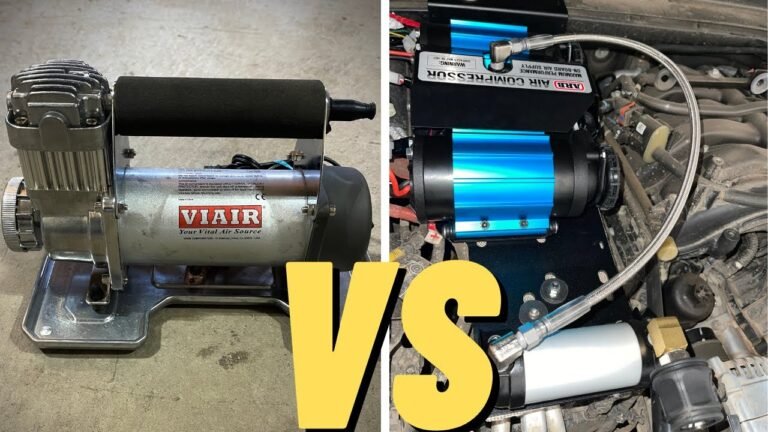
The ARB Twin Compressor is a heavy-duty onboard air system built for frequent use. The VIAIR 400P is a portable tire inflator made for flexibility and emergency inflation. Both are popular, but they serve different kinds of drivers and different kinds of jobs.
The ARB Twin Compressor vs VIAIR 400P comparison usually comes down to one question: do you want air on demand every time you turn the key, or do you want a compact tool you can keep in the truck and pull out when needed? That one choice shapes everything from installation to speed to cost. If you want the clearest answer, the ARB Twin Compressor wins for serious off-road use, while the VIAIR 400P wins for portability and simplicity.
What Each Compressor Is Designed to Do
The ARB Twin Compressor is an onboard air compressor system. It mounts inside a vehicle and connects to the battery and air lines. Many drivers use it for airing up tires, locking differential systems, and running air tools in light-duty situations.
The VIAIR 400P is a portable 12-volt compressor. You carry it in the vehicle, connect it to the battery or a power source, and use it when needed. It is built mainly for tire inflation after off-road driving or for emergency roadside use.
Here is the basic difference in plain words:
- ARB Twin Compressor: fixed in the vehicle, faster, more versatile, more expensive
- VIAIR 400P: portable, easier to move between vehicles, simpler to store, lower commitment
In my experience, this is where many buyers get stuck. They compare pressure numbers and forget the real question: do they want a travel companion or a built-in workshop?

ARB Twin Compressor vs VIAIR 400P: Core Differences
The ARB Twin Compressor vs VIAIR 400P comparison becomes much easier when you look at the categories that matter most.
Installation
The ARB Twin Compressor needs a proper install. That means wiring, mounting, and sometimes air line routing. It is not hard for someone handy, but it is more involved than plugging in a portable unit.
The VIAIR 400P requires almost no setup. You keep it in the vehicle and connect it when needed. For many people, that alone is enough to choose it.
Portability
The ARB Twin Compressor stays with the vehicle. That is great if you always use the same truck or SUV, but it is not ideal if you swap vehicles often.
The VIAIR 400P is easy to move. If you drive one vehicle for camping and another for commuting, portability is a real advantage.
Speed
The ARB Twin Compressor is known for strong airflow and fast inflation. That matters when you air up four large tires after a long trail day.
The VIAIR 400P is respectable, but it is still a portable unit. It works well, yet it usually takes longer than the ARB Twin Compressor on bigger tires.
Durability
The ARB Twin Compressor is built for hard use and regular duty. It feels like gear made for people who use air often, not once in a while.
The VIAIR 400P is well regarded and reliable, but it is designed more for convenience than constant heavy use.
Price
The ARB Twin Compressor costs more, especially once you factor in installation and accessories. The VIAIR 400P is easier on the wallet.
If budget matters most, the VIAIR 400P is the friendlier entry point. If performance and repeat use matter more, the ARB Twin Compressor starts to make more sense.

Performance in the Real World
Specs are useful, but real use tells the story better.
The ARB Twin Compressor vs VIAIR 400P difference shows up fast when you are airing up 35-inch or larger tires after a trail run. The ARB Twin Compressor can feel like a time saver, especially if you are often driving in sand, rocks, or remote areas. I have seen drivers go from frustrated and sweaty to relaxed once they realize their onboard compressor cuts the wait down a lot.
The VIAIR 400P shines in lighter use cases. If you only air up a few times a month, it does the job without demanding a permanent install. For weekend trips, beach runs, and emergency fill-ups, it is easy to live with.
A few practical notes from real-world use:
- Bigger tires increase inflation time for both units
- Hot weather and long runs can affect performance
- Short duty cycles matter when you are inflating multiple tires
- Tire pressure management systems make both options more useful
One mistake I have seen people make is buying a compressor that is too small for their tire size and use pattern. That is like bringing a teaspoon to bail out a boat. It works, but not well.
Which One Is Better for Off-Roading?
If off-roading is your main use, the ARB Twin Compressor usually has the edge. It is faster, more robust, and better suited to frequent pressure changes. It also fits well with lockers and other onboard air needs.
The VIAIR 400P still makes sense for light off-roading or occasional trail use. It is a solid choice if you want an affordable way to reinflate tires after a day on dirt or sand.
For off-road drivers, the best choice often depends on how serious the hobby is:
- Casual trail use: VIAIR 400P
- Frequent overlanding: ARB Twin Compressor
- Daily off-road work or club runs: ARB Twin Compressor
- Occasional weekend adventure: VIAIR 400P
If you air down every trip, the ARB Twin Compressor starts paying for itself in saved time and less hassle. If you only do it once in a while, the VIAIR 400P is usually enough.

Which One Is Better for Trucks, SUVs, and Overlanding?
For trucks and SUVs that spend time on trails or long trips, the ARB Twin Compressor is often the more complete solution. It is especially good if you already want an onboard air system for accessories or differential lockers.
For overlanding, the choice depends on your setup. The ARB Twin Compressor feels like part of the vehicle, which is great for long-term travel. The VIAIR 400P works well if you want to keep things light, simple, and removable.
Here is an easy way to think about it:
- Choose ARB Twin Compressor if you want a built-in system you can trust often
- Choose VIAIR 400P if you want a portable backup that does not require a permanent install
I like to tell people that the ARB Twin Compressor is like a built-in kitchen, while the VIAIR 400P is like a really good camp stove. Both cook. One is just always ready.
Maintenance and Long-Term Reliability
The ARB Twin Compressor usually needs less day-to-day attention once installed correctly. That said, a proper install matters a lot. Poor wiring, weak grounds, or bad mounting can create problems that have nothing to do with the compressor itself.
The VIAIR 400P is simple, but portable gear can be mistreated more easily. Coiled hoses, rough storage, and loose fittings can shorten its life. I always recommend checking the hose, connectors, and gauge before every trip.
Simple care tips:
- Keep connections clean and dry
- Check for air leaks
- Store the VIAIR 400P in a cool, dry place
- Inspect wiring and fuses on the ARB Twin Compressor
- Let the compressor cool if you are inflating several tires in a row
Trustworthy gear lasts longer when you treat it like a tool, not a toy.
Cost Breakdown: Upfront and Hidden Costs
The ARB Twin Compressor costs more at the start. You may also need a mounting bracket, wiring kit, relay, fuse protection, and maybe an air tank or accessories. That can push the total cost up quickly.
The VIAIR 400P is more affordable. It usually arrives as a ready-to-use package, so there are fewer hidden costs. That makes it attractive for first-time buyers or anyone on a tighter budget.
Think about total value, not just sticker price:
- ARB Twin Compressor: higher upfront cost, better long-term utility
- VIAIR 400P: lower upfront cost, easier to justify for light use
If you only air up a few times per year, the VIAIR 400P is easy to recommend. If you’re using air often, the ARB Twin Compressor can be the smarter investment over time.
Best Use Cases for Each Compressor
The ARB Twin Compressor is best for:
- Frequent off-road driving
- Overlanding
- Vehicles with air lockers
- People who want onboard air all the time
- Larger tires and repeated air-up sessions
The VIAIR 400P is best for:
- Weekend drivers
- Emergency roadside inflation
- Smaller budgets
- People who want portability
- Multi-vehicle households
In my view, the ARB Twin Compressor vs VIAIR 400P choice becomes obvious when you match the tool to the job. The wrong compressor can still work, but it will feel like bringing hiking boots to the beach.
Buying Advice: How to Choose the Right One
Use these questions to narrow it down:
- How often do you air down and air up?
- Do you want a permanent install?
- Will you use air for anything besides tires?
- How big are your tires?
- What is your budget, including accessories?
A simple rule works well:
- Pick the ARB Twin Compressor if you value speed, convenience, and frequent use
- Pick the VIAIR 400P if you value portability, lower cost, and occasional use
I have seen people overspend on the wrong system because they wanted “the best” without defining best. The best compressor is the one that fits your actual life.
Pros and Cons Summary
ARB Twin Compressor
Pros:
- Fast inflation
- Strong build quality
- Onboard convenience
- Good for lockers and accessories
- Better for frequent use
Cons:
- Higher cost
- More complex install
- Not portable
- Overkill for light users
VIAIR 400P
Pros:
- Portable
- Lower price
- Easy to store
- Good for emergency use
- Simple to use
Cons:
- Slower than onboard systems
- Not as ideal for frequent heavy use
- Can be less convenient on repeated trips
- Limited compared with a full onboard setup
This is the heart of the ARB Twin Compressor vs VIAIR 400P decision. One is a long-term vehicle upgrade. The other is a flexible tool.
Frequently Asked Questions of ARB Twin Compressor vs VIAIR 400P
Is the ARB Twin Compressor faster than the VIAIR 400P?
Yes, in most real-world setups the ARB Twin Compressor inflates tires faster, especially on larger tires. It is built for frequent use and higher airflow, which makes it better for off-roaders who air up often.
Is the VIAIR 400P good enough for 35-inch tires?
Yes, it can work for 35-inch tires, but it will take longer than an onboard system. If you only inflate them occasionally, it is still a practical option.
Can the ARB Twin Compressor run air tools?
It can handle some light air tasks, but it is not a full shop compressor. It is best thought of as a strong onboard air source for vehicle use, not a replacement for a garage compressor.
Which compressor is easier to install?
The VIAIR 400P is much easier because it is portable and ready to use out of the box. The ARB Twin Compressor requires mounting and wiring, so it takes more time and planning.
Which one is better for overlanding?
The ARB Twin Compressor is usually better for overlanding because it is permanently mounted and faster to use. The VIAIR 400P is still a good choice if you want a lighter, cheaper, and removable option.
Conclusion
The ARB Twin Compressor vs VIAIR 400P debate really comes down to how you use air and how often you need it. If you want fast, dependable onboard performance for off-roading, overlanding, or frequent tire changes, the ARB Twin Compressor is the stronger choice. If you want something portable, simple, and budget-friendly for occasional use, the VIAIR 400P makes a lot of sense.
The smartest buy is the one that matches your driving habits, tire size, and budget. Take a minute to think about your real needs, not just the specs on the box, and you’ll make a much better choice. If this guide helped, explore more tire and off-road gear tips, subscribe for updates, or leave a comment with your setup and experience.