How to Use a Microwave
Ever find yourself staring at your microwave, unsure of the best way to reheat last night's dinner without turning it into a rubbery disc? You're definitely not alone. Mastering the microwave isn't about complex science; it's about a few smart techniques that make a big difference.
We've gathered the essential information to help you get the most out of your microwave, ensuring your food is heated evenly and safely. Whether you're warming up a quick snack or defrosting a meal, understanding the basics is key.
Quick Answer
Using a microwave involves selecting the right power level and time. Cover food to trap moisture, stir or rotate halfway through cooking, and let it rest. Avoid metal and ensure containers are microwave-safe.
Using specific buttons like 'Defrost' can optimize results for frozen items.
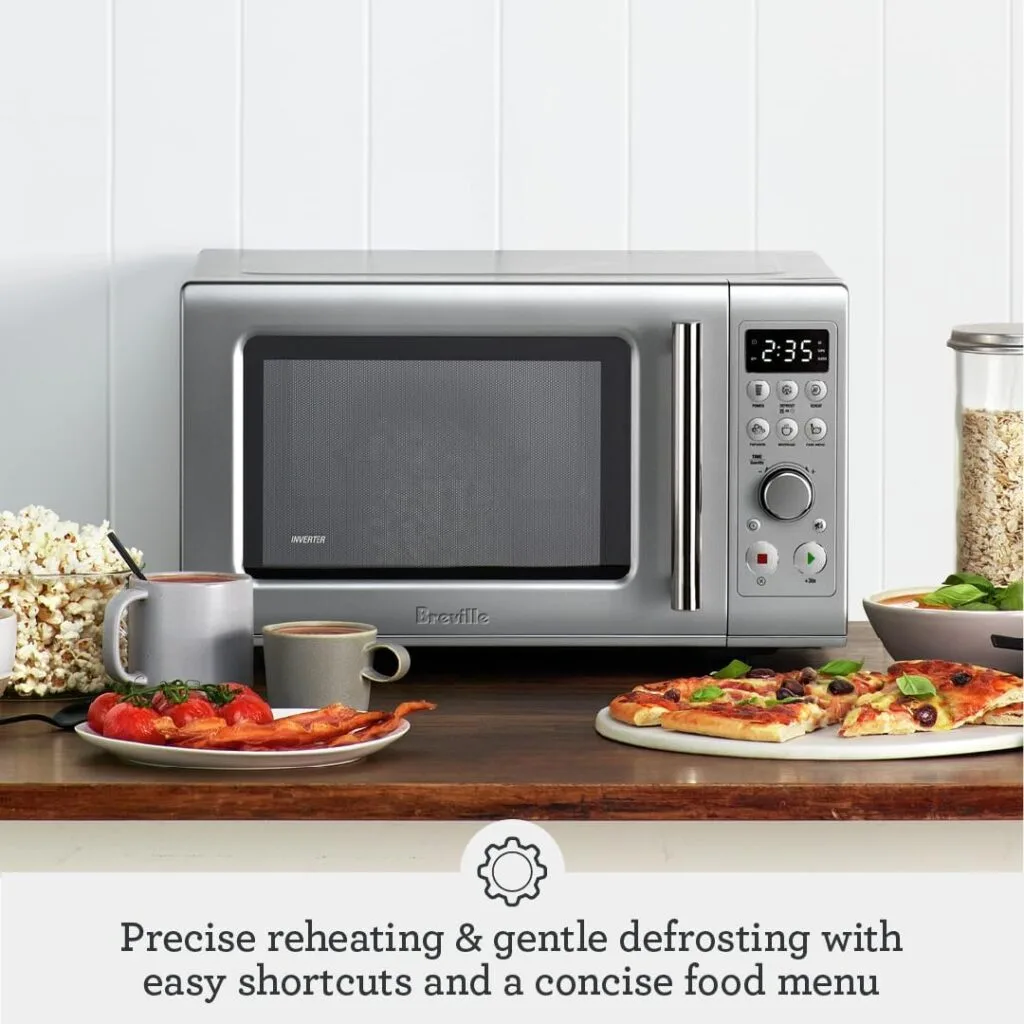
Image source: Bing (Web (fair-use with source credit))
Your Microwave's Control Panel: What Do These Buttons Mean?
Understanding the buttons on your microwave is the first step to using it effectively. While designs vary, most control panels offer similar core functions that dictate how your food is heated.
Buttons for Power, Time, and Quick Tasks
Most microwaves have a numerical keypad for setting the cooking time precisely, usually in minutes and seconds. The "Power Level" button is incredibly important; it allows you to adjust the intensity of the microwave radiation. Using less than 100% power is crucial for delicate foods or for ensuring more even heating.
Manufacturer specifications often indicate a range, with 700W to 1200W being common for home models, each affecting cooking speed and evenness.
The "Start" button is your go-to for initiating cooking, often accompanied by an "Add 30 Seconds" feature that conveniently extends cooking time without re-entering numbers. "Stop/Cancel" is your exit strategy for any cooking cycle. Preset buttons like "Popcorn" or "Beverage" offer one-touch convenience, usually with pre-programmed times and power levels designed for specific items, though results can vary by brand and bag size.
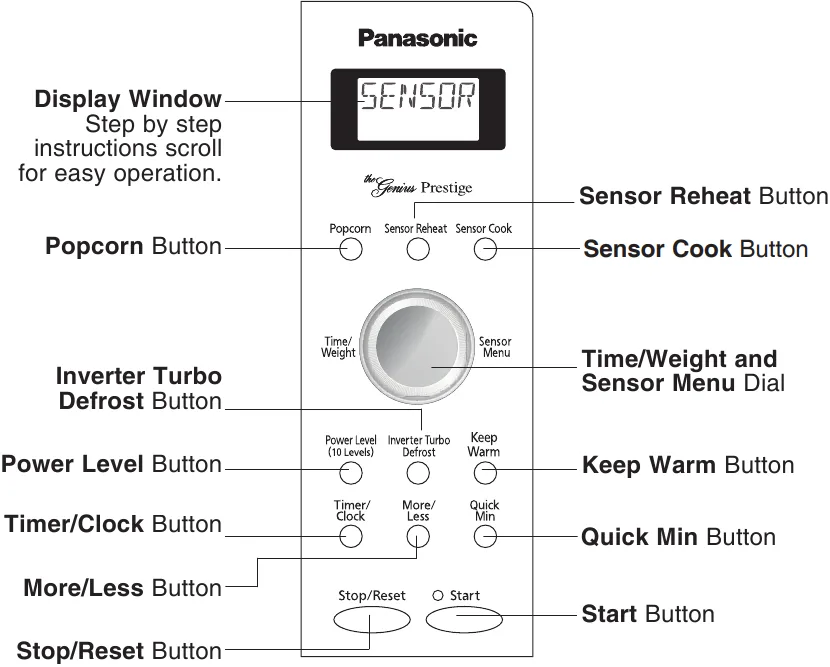
Image source: Bing (Web (fair-use with source credit))
The Mighty Defrost Button
The "Defrost" function is a game-changer for frozen foods. Instead of cooking the outside while the inside remains icy, this setting cycles the microwave's power on and off. This gentle pulsing thaws food more evenly.
You'll typically find two ways to use it: by entering the food's weight (common for meats) or by selecting the type of food, like "poultry" or "bread." This ensures the microwave applies the correct amount of energy over a specific time frame, preventing partially cooked edges and a frozen center.
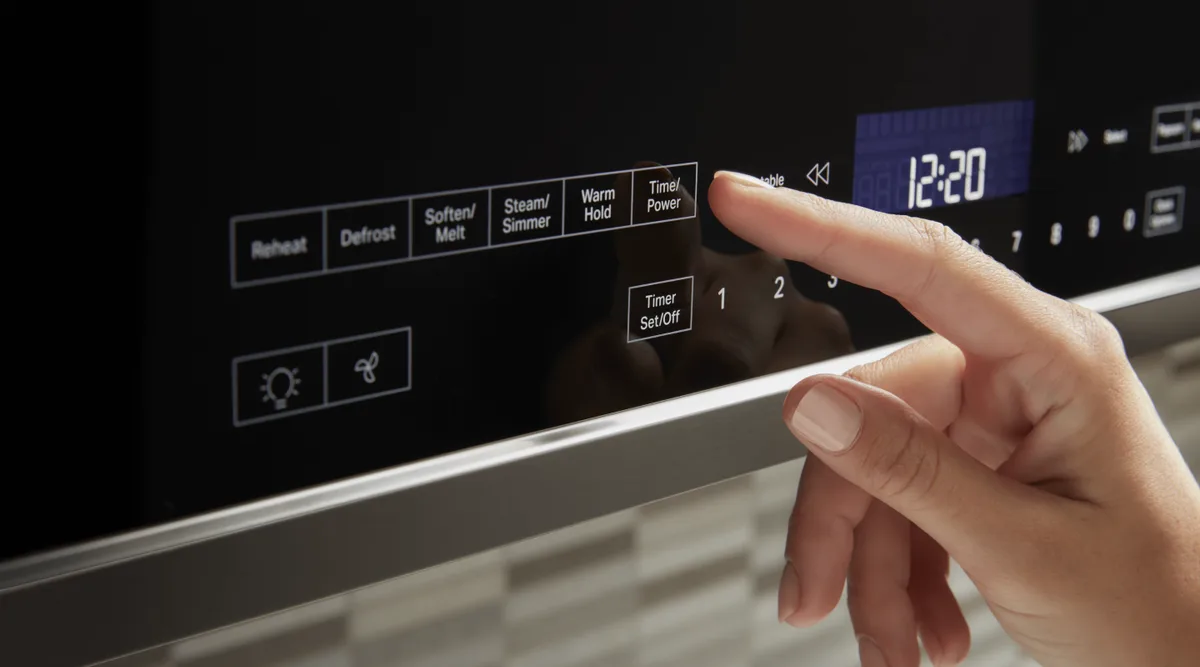
Image source: Bing (Web (fair-use with source credit))
The Microwave Workflow: Heating Up Like a Pro
Mastering microwave cooking isn't just about pushing buttons; it's a process that involves preparing your food correctly and managing the heating cycle. Following these steps can significantly improve your results, from perfectly warmed leftovers to evenly thawed meats.
Step 1: Choosing Your Container and Prepping Your Food
Always opt for microwave-safe containers. Glass and ceramic dishes are generally good choices. Certain plastics are also labeled as microwave-safe, but if a container isn't clearly marked, it's best to avoid it to prevent potential chemical leaching or melting.
Before heating, break up large portions of food or spread them out in a single layer within the dish. This helps ensure more of the food is exposed to the microwaves, promoting even heating. For dense items, placing them towards the outer edges of the dish can also improve results, as microwaves tend to heat the periphery more effectively.
Step 2: Covering Your Food for Even Heating
Covering your food is a critical step that's often overlooked. Using a microwave-safe lid, vented plastic wrap, or even a damp paper towel helps to trap steam and moisture. This not only keeps your food from drying out but also allows it to heat more evenly.
The trapped moisture helps distribute the heat throughout the food. Remember to vent any cover slightly, a small corner of plastic wrap lifted or a few holes poked in it, to allow excess steam to escape, preventing pressure buildup and potential splatters.
Step 3: Setting Time and Power: The Smart Way to Heat
When heating most items, it's wise to start with less time than you think you'll need, especially if you're unsure. A common approach is to set the timer for about half the estimated cooking duration on high power. You can always add more time.
For more delicate foods or when you want to avoid overcooking, utilize the "Power Level" button to reduce the microwave's intensity. For instance, heating a thick piece of lasagna might benefit from a medium power level for a longer duration to allow heat to penetrate the center without scorching the edges.
Step 4: The Crucial Stir or Rotate
This is arguably the most important step for achieving even heating. About halfway through your initial cooking time, pause the microwave. Carefully remove the dish and stir the food, or if it's a whole item like a baked potato or a piece of chicken, rotate it in the dish.
This action redistributes the heat, moving cooler parts to the center where they can absorb more microwave energy. For beverages, stirring before and after heating is also a good practice to ensure consistent temperature.
Step 5: Checking and Fine-Tuning
After stirring or rotating, check the temperature of your food. Gently touch different parts, especially the center, to gauge its warmth. If it's not hot enough, place it back in the microwave and add more time in short increments, such as 30 seconds or 1 minute.
Continue this process of heating, stirring/rotating, and checking until the food reaches your desired temperature. This iterative approach prevents overcooking and ensures you don't end up with pockets of cold food.
Common Microwave Scenarios: Heating Up Specific Items
Beyond general reheating, microwaves excel at specific tasks. Understanding how to tackle these common scenarios can save you time and deliver better results.
Heating Leftovers: Your Daily Go-To
Reheating leftovers is perhaps the most frequent microwave use. To get started, place your food in a microwave-safe dish and break up large portions. Covering the dish with a vented lid or damp paper towel is essential to retain moisture and prevent drying.
For most leftovers, start with a conservative cooking time on high power, then stir or rearrange the food halfway through. This crucial step ensures even heating. If needed, add more time in short bursts, checking for warmth each time.
Letting the food rest for a minute after heating allows the heat to distribute evenly.
Heating Beverages: Hot Coffee, No Explosions!
Warming up coffee, tea, or water is straightforward but carries a slight risk of "superheating," where liquid heats past boiling point without bubbling, then erupts when disturbed. To avoid this, heat beverages in short intervals (30 seconds to 1 minute), especially water. Using a microwave-safe mug is paramount.
It's also a good habit to stir the beverage before and after heating, or even place a non-metal object like a wooden stirrer in the mug while it heats, to provide nucleation sites for boiling and prevent a sudden eruption. Always check the temperature carefully before taking a sip.
Defrosting: Thawing Safely and Quickly
The "Defrost" button is specifically designed for safely thawing frozen foods. To use it, remove food from its original packaging and place it on a microwave-safe plate. If your microwave allows, select the "Defrost" function and input the food's weight, or choose the specific food type (e.g., chicken, beef).
The microwave will cycle its power to thaw the food without cooking it. About halfway through the defrost cycle, the microwave will usually beep, prompting you to flip or separate the food items for more even thawing. Continue until the food is cool to the touch but no longer frozen solid.
Microwave Mistakes You Really Want to Avoid
Even with simple appliances, user errors can lead to poor results, damaged equipment, or even safety hazards. With microwaves, a few common slip-ups can turn a quick meal into a disaster. Knowing what not to do is just as important as knowing the right steps.
The "No Metal" Rule and Why It's So Important
This is the golden rule of microwave use, and for good reason. Metal reflects microwave energy. When metal is inside a running microwave, it can cause sparks, known as arcing.
This isn't just a visual show; it can damage the microwave's internal components, particularly the magnetron, and in extreme cases, it can even be a fire hazard. This applies to everything from aluminum foil and metal utensils to dishes with metallic trim or even twist ties. Always double-check your cookware and food packaging before placing anything inside.
Watch Out for Steam and Splatters
When you're heating food, especially in covered containers, steam builds up. Removing a lid or plastic wrap too quickly can release a burst of hot steam, which can cause serious burns. Always lift lids or plastic wrap away from your face and body, allowing the steam to dissipate gradually.
Splatters are another common issue that not only create a mess but can also lead to uneven heating if food particles block microwave energy. Using covers, as mentioned earlier, is the best way to prevent this.
The Dangers of Superheating Liquids
As touched upon earlier, liquids like water, coffee, or soup can sometimes reach temperatures above their boiling point without actually appearing to boil. This phenomenon, called superheating, occurs when the liquid is heated in a smooth container without any nucleation sites for bubbles to form. When the liquid is then disturbed, by adding a tea bag, stirring, or even just moving the cup, it can erupt violently and suddenly.
To mitigate this risk, avoid overheating liquids, stir them before heating if possible, and handle them with extreme care, as they can be much hotter than they appear.
Running It Empty: A Quick Way to Damage Your Appliance
Never operate a microwave oven when it's empty. The microwaves are designed to be absorbed by food or liquid. If there's nothing inside to absorb them, the microwaves will be reflected back to the magnetron, the component that generates them.
This can cause the magnetron to overheat and fail, leading to an expensive repair or the need to replace the entire appliance. It’s a simple rule to follow, but one that can prevent significant damage to your microwave.
Safety First: Essential Microwave Guidelines
Microwaves are generally safe when used as intended, but adhering to a few fundamental safety practices ensures you and your appliance stay protected. These guidelines help prevent common issues and ensure reliable operation.
Using Microwave-Safe Containers
The primary safety concern with microwave containers is ensuring they are designed to withstand microwave radiation without degrading or leaching harmful chemicals into your food. Look for the "microwave safe" symbol, often a wavy line icon or text on the bottom of the dish. Materials like glass, ceramic, and specific types of plastic are generally safe.
Avoid containers that show signs of warping, cracking, or discoloration, as these could indicate damage and potential safety risks. Remember, even microwave-safe plastics can degrade over time with repeated use.
Checking for Door Seal Integrity
The microwave door and its seal are critical for containing microwave radiation within the oven cavity. Ensure the door closes tightly and that the seal is intact, no cracks, tears, or gaps. If you notice any damage to the door, hinges, or seal, it's advisable to stop using the microwave and have it inspected by a qualified technician.
The U.S. Food and Drug Administration (FDA) provides guidance on microwave oven safety, emphasizing the importance of a properly functioning door and seal to prevent radiation leakage.
Frequently Asked Questions About Microwave Use
How long does it take to heat up a cup of coffee?
Heating a cup of coffee usually takes between 30 seconds and 1.5 minutes, depending on the starting temperature and the microwave's wattage. It's best to heat in 30-second intervals and stir to ensure even warmth.
Can I reheat food in its plastic takeout container?
Only if the container is specifically labeled "microwave safe." Many takeout containers are not designed for reheating and can warp, melt, or leach chemicals into your food. It's safer to transfer food to a glass or ceramic dish.
What happens if I put metal in the microwave by accident?
If you put metal in the microwave, it can cause sparks (arcing), which can damage the appliance. In some cases, it could even pose a fire risk. Immediately stop the microwave if you see sparks.
How do I clean my microwave?
To clean your microwave, place a bowl of water with a splash of vinegar or lemon juice inside and heat it on high for a few minutes until it steams up. Let it sit for a minute, then carefully remove the bowl and wipe down the interior with a soft cloth; the steam should loosen grime.