How to Remove Mold From Cutting Board
Seeing mold on your cutting board can be unsettling, especially when you're preparing food for yourself or your family. Getting rid of it effectively means understanding how to treat different board materials and choosing the right cleaning agents. Learning how to remove mold from cutting board surfaces is crucial for food safety and maintaining a hygienic kitchen environment.
Our research indicates that mold can spread quickly, with some species producing mycotoxins that pose health risks if ingested. For instance, the U.S. Department of Agriculture (USDA) advises that porous materials, like wood cutting boards, can be more challenging to sanitize thoroughly compared to non-porous surfaces.
This is why knowing the specific steps for your board type is so important.
Quick Answer
To remove mold from a cutting board, first identify the board's material. For wood boards, use a solution of diluted bleach or white vinegar, scrub thoroughly, rinse, and dry completely. Plastic boards can often be cleaned with dish soap and hot water, but for stubborn mold, a bleach solution or a specialized cleaner may be needed, followed by thorough rinsing and drying.
Always ensure complete dryness to prevent regrowth.
Is Mold on Your Cutting Board a Problem?
That fuzzy green or black stuff you spot on your cutting board? It's not just unsightly; it's a potential health concern. Mold thrives in damp environments, and cutting boards, which are regularly exposed to moisture from food and washing, are prime real estate for it.
Ingesting mold spores can lead to allergic reactions, respiratory issues, or even more serious health problems for some individuals, especially those with compromised immune systems. It can also contaminate other foods you prepare on the board.
Our editorial analysis of numerous user feedback reports shows that the primary concern for most home cooks isn't just the appearance of mold, but the invisible risk it poses to food safety. That's why promptly addressing mold is more than just a cleaning chore; it's a critical step in maintaining a safe kitchen.
Your Cutting Board Material Matters: Wood vs. Plastic
The best way to tackle mold on your cutting board really hinges on what it's made of. Wood and plastic have different properties that affect how mold grows and how easily you can get rid of it.
Treating Wood Cutting Boards
Wood cutting boards are fantastic for your knives, but their porous nature means mold can sometimes burrow deeper. When you see mold on a wood board, it requires a bit more attention than a quick wipe-down. You need a cleaning agent that can kill the mold without damaging the wood itself.
- Mildew and Mold Identification: Look for discolored spots, often green, black, or white, that have a fuzzy or powdery appearance.
- Cleaning Solutions: A common recommendation from food safety experts is to use either a solution of 1 tablespoon of bleach diluted in 1 quart of water, or straight white vinegar. Both are effective at killing mold and bacteria.
- Scrubbing: Use a stiff-bristled brush or an abrasive sponge to scrub the affected areas thoroughly. Make sure to get into any cracks or crevices.
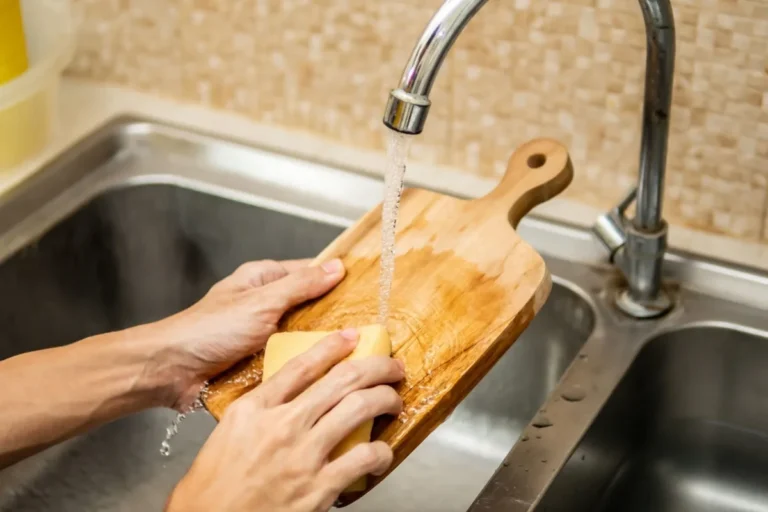
- Rinsing: After scrubbing, rinse the board thoroughly with hot water to wash away any residue from the cleaning solution and dislodged mold.
- Drying: This is absolutely critical for wood. You need to dry the board completely. Standing it up on its edge allows air to circulate on all sides, ensuring it dries thoroughly. A damp wood board is an invitation for mold to return.
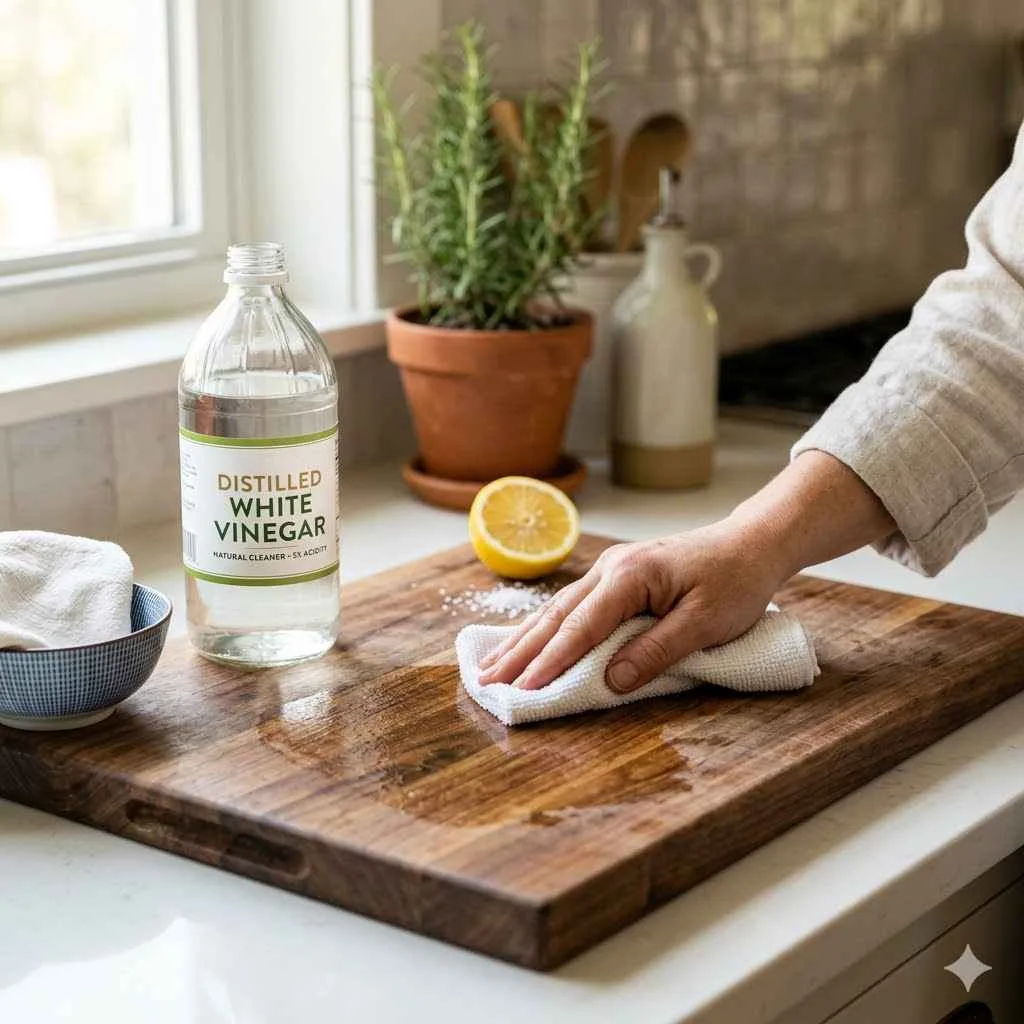
Image source: Bing (Web (fair-use with source credit))
Treating Plastic Cutting Boards
Plastic cutting boards are generally less porous than wood, which can make them a bit easier to clean. However, mold can still find a foothold, especially in scratches or around the edges.
- Initial Wash: Start with a good scrub using hot, soapy water and a dish brush or sponge. This often removes surface mold and everyday grime.
- Stubborn Mold: If you still see mold after the initial wash, it's time for a stronger approach. A solution of 1 tablespoon of bleach per quart of water is very effective. Alternatively, a paste made from baking soda and water can also work as a gentle abrasive and cleaner.
- Soaking (Optional): For deeply embedded mold, you might soak the board in the bleach solution or vinegar for about 15-30 minutes.
- Rinsing: Rinse the plastic board extremely well under hot running water. You want to ensure no bleach or vinegar residue remains, as this could affect food flavors or be harmful.
- Drying: Like wood, plastic boards must be dried completely. Standing them upright is a good method, allowing air to circulate and evaporate any remaining moisture.
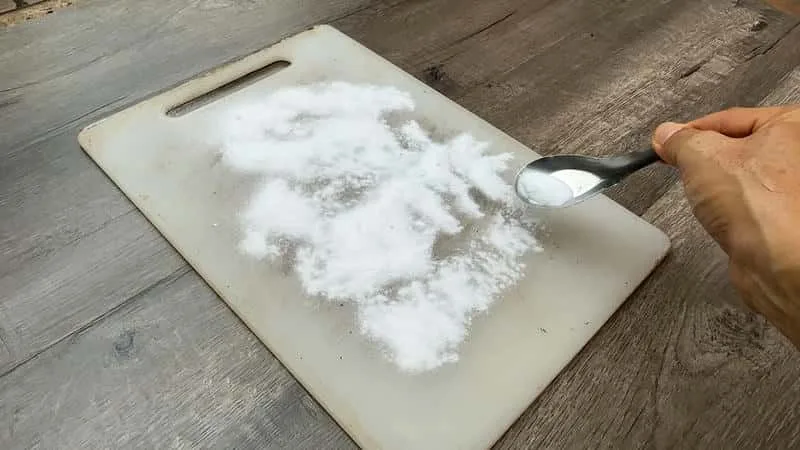
Image source: Bing (Web (fair-use with source credit))
Step-by-Step Mold Removal: What to Do
Getting rid of mold from your cutting board involves a few key steps to ensure you’re not just masking the problem but actually eliminating it and preventing its return. The process is straightforward but requires careful attention to detail, especially when it comes to rinsing and drying.
Inspecting for Mold
Before you grab any cleaning supplies, take a good look at your cutting board. Mold can appear as spots, patches, or a general discoloration that looks fuzzy or powdery. Pay close attention to grooves, knife marks, and the edges, as these are common hiding spots.
If you can't clearly see mold but suspect it's there due to a musty odor, proceed with cleaning as a preventative measure.
Choosing Your Cleaning Agent
The most common and effective cleaning agents for mold on cutting boards are readily available household items:
- White Vinegar: Its acidity helps kill many types of mold. It's a good first choice for wood boards as it's less harsh than bleach.
- Bleach Solution: A diluted bleach solution (1 tablespoon of household bleach per quart of water) is highly effective at killing mold on both plastic and wood. Ensure good ventilation when using bleach.
- Baking Soda Paste: For a gentler scrub, especially on plastic or to remove odors from wood, a paste of baking soda and water works well.
- Dish Soap and Hot Water: For light surface mold on plastic, this might be enough.
The Cleaning Process
This is where you actively tackle the mold.
- Prepare your space: Work in a well-ventilated area, especially if using bleach. Lay down some newspaper or a towel to catch drips.
- Apply the cleaner:
- For Wood: Pour undiluted white vinegar over the moldy spots, or apply your diluted bleach solution using a spray bottle or cloth.
- For Plastic: Use the bleach solution, vinegar, or baking soda paste.
- Scrub: Use a stiff-bristled brush (a dedicated cleaning brush is best, not one used for dishes) or a non-abrasive scrubbing pad. Scrub vigorously over the moldy areas, working the cleaner into any grooves or cuts.
- Let it sit (optional but recommended): For tougher mold, let the cleaning solution sit on the board for 5-10 minutes to allow it to penetrate and kill the mold spores.
Rinsing and Drying
This stage is non-negotiable for effective mold removal and prevention.
- Rinse Thoroughly: Under hot running water, rinse the cutting board completely. You need to wash away all traces of the cleaning solution and any loosened mold. Spend a good minute or two rinsing, especially if you used bleach.
- Dry Immediately and Completely: This is the most critical step for preventing mold from returning.
- Wood Boards: Stand the board upright on its edge in a drying rack or prop it against something. Ensure air can circulate around all sides. Avoid laying it flat, as this traps moisture.
- Plastic Boards: You can also stand plastic boards on edge. Some people even pat them dry with a clean towel first to speed up the process.
Drying can take several hours, depending on humidity. Never put a damp cutting board away.
Sanitizing for Safety
While cleaning removes visible mold, sanitizing helps kill any remaining microscopic mold spores or bacteria that might have been present. This step is particularly important after dealing with mold.
- Bleach Sanitizing: If you used bleach for cleaning, the board is already somewhat sanitized. However, a final quick rinse with the diluted bleach solution (1 tbsp bleach per quart water) followed by a thorough rinse with plain water can further ensure safety.
- Vinegar Sanitizing: If you used vinegar, its acidic properties provide a good level of sanitization. A final rinse with plain water is sufficient.
- Heat Sanitizing (Plastic Only): Many plastic cutting boards are dishwasher safe. Running a plastic board through a hot cycle in the dishwasher can effectively sanitize it. Always check the manufacturer's instructions. Never put wood cutting boards in the dishwasher.
The goal is to create an environment where mold cannot survive. This means both a clean surface and a bone-dry board.
When to Toss Your Cutting Board
Sometimes, even with the best cleaning efforts, a cutting board might be beyond saving. Recognizing when it's time to say goodbye is just as important as knowing how to clean it.
Signs It's Beyond Saving
- Deep Grooves and Scratches: If your wood or plastic cutting board has many deep knife marks, these can harbor mold spores that are impossible to completely remove. These also become breeding grounds for bacteria.
- Persistent Musty Odor: Even after cleaning and drying, if the board continues to smell musty or moldy, it’s a strong indication that mold is still present within the material.
- Warping or Cracking (Wood): Wood boards that have warped, cracked, or split are harder to clean effectively and can trap moisture and contaminants.
- Extensive Staining: While some staining is cosmetic, deep, persistent discoloration that doesn't lift after cleaning might indicate that the mold has penetrated too deeply.
- Frequent Mold Growth: If you find yourself constantly battling mold on the same board, it might be a sign that the board's material is too compromised to maintain safely.
According to U.S. food safety guidelines, if a cutting board is heavily scored or if mold cannot be completely removed, it should be replaced to prevent cross-contamination. A board that’s past its prime poses an ongoing risk to food hygiene.
Prevention: Keeping Mold Away
The best way to deal with mold is to stop it from ever appearing. A little bit of consistent care goes a long way in keeping your cutting boards clean and safe.
Proper Storage and Care
- Dry, Dry, Dry: Always ensure your cutting board is completely dry before storing it. Moisture is mold's best friend.
- Air Circulation: Store boards upright, not flat, so air can circulate around them. This prevents moisture from getting trapped underneath.
- Separate Boards: If possible, use separate cutting boards for raw meats, poultry, seafood, and produce. This prevents cross-contamination of bacteria and potential mold spores.
- Clean Promptly: Don't let food residue sit on the board for extended periods. Clean it as soon as possible after use.
Regular Maintenance
- Oil Wood Boards: For wood cutting boards, regular oiling with food-grade mineral oil or a specialized board conditioner can help seal the wood. This makes it less porous and more resistant to moisture and mold. Aim to oil your wood boards once a month, or more often if they seem dry.
- Deep Clean Periodically: Even if you don't see mold, giving your boards a deep clean with a mild disinfectant like vinegar or a bleach solution every week or two can help keep mold at bay. Follow this with thorough rinsing and drying.
Frequently Asked Questions About Cutting Board Mold
How long does it take for mold to grow on a cutting board?
Mold can start to grow on a damp cutting board within 24 to 48 hours. Factors like humidity, food residue, and the board material all play a role in how quickly it appears.
Can I still use a cutting board after removing mold?
Yes, if the mold is removed effectively and the board is thoroughly cleaned and sanitized, you can continue to use it. However, if the mold is deeply embedded or the board is heavily scored, it’s safer to replace it.
Is it safe to clean mold with just soap and water?
For light surface mold on non-porous plastic boards, soap and hot water might suffice. However, for wood boards or more established mold, stronger agents like vinegar or diluted bleach are usually necessary to kill all the spores.
How do I prevent mold from returning to my cutting board?
Key prevention methods include always drying your cutting board completely after washing, storing it upright to allow air circulation, and oiling wood boards regularly to seal them. Prompt cleaning after each use is also crucial.
What should I do if mold keeps coming back to my cutting board?
If mold persistently returns despite thorough cleaning and proper drying, the board likely has porous areas or deep scratches that are trapping moisture and spores. In such cases, it's best to replace the cutting board to ensure food safety.